


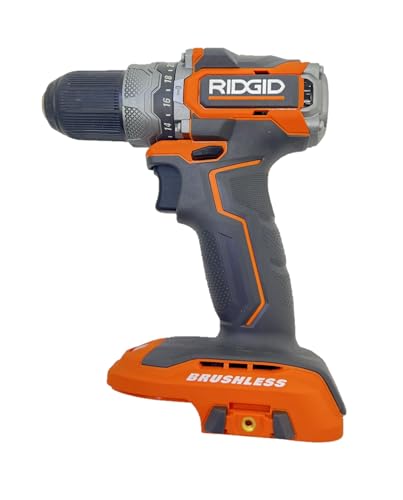
Heavy wrist strain and sudden motor bind-up can turn small plot seeding into an exhausting chore when hand digging compacted soil. Connecting a spiral ground auger to a high-torque brushless drill allows you to drop seed furrows and test plots into dense dirt in seconds without killing your back. Reliable chuck grip security and low-speed gear control make all the difference when boring dozens of uniform holes across open ground. Reviewing manufacturer specs and user feedback shows that the best drills for planting sorgum and oats for farm require sustained torque and durable 3/8-inch hex drive bit compatibility to handle heavy clay without overheating. If you also work around the barn or shop, having the best drill bits for iron ensures your cordless setup handles tough metal fabrication between seasonal planting runs.
Battery platform compatibility and thermal overload protection matter just as much as raw twisting power when prepping acreage. Running an 18V or 20V Max drill with a 4.0Ah or higher battery pack delivers the run time needed to power wide steel spiral bits through root-filled soil. Premium solid steel shafts with welded flighting prevent bit bending when striking buried stones. Pair your soil drill with handy jobsite setups like the best drill track to keep workshop fabrication precise when you return from the field. Investing in resilient earth augers ensures dependable seedbed preparation for sorghum, oats, and seasonal cover crops.


Frequently Asked Questions
What drill voltage is recommended for planting auger bits?
An 18V or 20V Max cordless drill with a brushless motor is strongly recommended for digging soil holes. These platforms provide the sustained torque necessary to spin heavy earth augers through dense clay and dry loam without stalling out. Using lower-voltage 12V drills often leads to motor bogging and thermal shutoff under ground resistance. For best results across large farm plots, pair your tool with at least a 4.0Ah battery pack for extended drilling runtime.
Can hammer drills be used with soil auger drill bits?
Yes, but you must switch the drill collar to standard drilling mode rather than hammer mode. The percussion mechanism in hammer drills is designed for pulverizing stone, similar to how the best drill bits masonry cut concrete, and impact hammering can damage spiral auger welds. Standard rotary drill mode delivers smooth, continuous torque that pulls soil upward along the spiral flighting cleanly.
Why do planting augers use a 3/8-inch hex drive shaft?
The 3/8-inch hex drive prevents the auger shank from slipping inside standard drill chuck jaws under heavy rotational resistance. Round shanks frequently spin freely when hitting roots or hardpan dirt, which damages both the bit and the chuck teeth. The flat sides of a hex shank lock securely into keyless metal chucks to maximize torque transfer. This secure fit ensures stable drilling when using the Best Drills For Planting Sorgum And Oats For Farm for seasonal farm tasks.
How do you prevent wrist kickback when drilling into packed soil?
Setting your drill to low speed (Gear 1) and utilizing a secondary side auxiliary handle is the best way to manage rotational kickback. Low gear maximizes torque while keeping the rotation slow enough for you to react if the bit snags on a thick root or buried rock. Keeping both hands firmly on the tool and letting the spiral screw tip pull the bit downward prevents abrupt binding. Many modern brushless drills also feature electronic anti-kickback brakes that cut power instantly when a jam occurs.
Will these auger bits work for broad farm planting in 2026?
Yes, these spiral bits are highly effective for small farm test plots, perimeter seeding, and gap-filling rows. While large-scale commercial acreage requires tractor-mounted seed drills, cordless handheld augers excel at targeted planting of sorghum and oats in nursery beds, garden plots, and wildlife food strips. Using tools featured in the best drill verse provides fast, fatigue-free spot planting without dragging heavy agricultural equipment into tight farm corners.
How deep should you drill holes when planting oats or sorghum?
Oats and sorghum require shallow seed placement between one and two inches deep, so you only need to skim the auger into the soil briefly. Running the auger deeper loosens the root zone and incorporates soil amendments, but you should backfill before dropping seeds. Rapidly tapping the trigger creates loose, well-aerated seed pockets that promote fast germination and strong root penetration.


Write Your Review
No reviews yet. Be the first to share your experience!