


Drill bits slipping inside smooth chuck jaws can quickly ruin a project and chew up expensive shank steel. Selecting the best drill verse means balancing sustained motor torque, chuck gripping strength, and smooth variable speed control so you do not strip fastener heads or stall halfway through tough lumber. Manufacturers now engineer tools with higher efficiency motors and ratcheting collars to prevent bit spin under heavy resistance. Aggregated user feedback and detailed specification sheets show that reliable chuck retention makes a massive difference during repetitive pilot hole drilling.
Motor balance and comfortable grip ergonomics keep hand fatigue down when you are driving long screws into framing timber all afternoon. A responsive mechanical clutch lets you dial back power for softwoods, while direct drill modes deliver full torque for large hole saws. After boring holes and driving hardware on fresh timber builds, pairing your rotary kit with an oscillator sander for woodworking helps clean up surrounding fibers for a smooth finished assembly. Taking time to inspect tool balance, gear housing materials, and battery platform compatibility ensures your setup handles tough daily workshop chores without bogging down.


Helpful Answers for Drill Selection
How do you stop drill bits from slipping in a keyless chuck?
Hand-tighten the chuck firmly while holding the collar until ratcheting clicks lock the jaws against the shank. Modern drill drivers use hardened jaws designed to bite into smooth round shanks. Wiping off grease or metal burrs before insertion ensures strong gripping contact. For heavy drilling tasks, hex-shank bits provide positive mechanical locking that prevents spinning.
What mechanical clutch setting works best for general screw driving?
Start on a low clutch setting like three or four, then increase resistance until the screw sits flush. Lower numbers disengage the drivetrain early to prevent stripped heads and split wood. Higher numbers deliver the rotational force needed for long structural screws into dense timber. Matching the clutch to fastener depth protects bits and workpieces from overtightening.
Can a standard drill driver drill into concrete or brick?
Yes, but only for small holes in soft brick or mortar when paired with sharp carbide masonry bits. Standard drills lack the mechanical percussion pulses needed to break tough aggregate in poured concrete. For larger anchors, a dedicated hammer drill works faster without burning bit tips. When smoothing adjacent woodwork during trim repairs, a detailing sander for tight spaces prepares surfaces easily.
What is the difference between brushed and brushless drill motors?
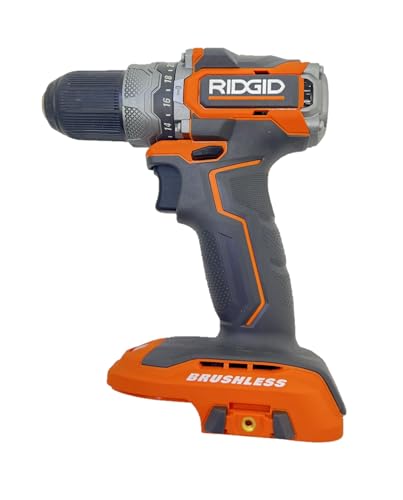
Brushless motors operate with higher efficiency, deliver cooler performance, and extend runtime per charge. Electronic controls modulate power based on resistance, while brushed designs rely on physical carbon brushes that create heat and wear down. Choosing brushless tools gives you better power density and longer motor lifespan across your best drill verse toolkit in 2026.
Why does a drill kick back when a hole saw binds?
Kickback occurs when cutting teeth snag suddenly, instantly transferring rotational torque into the drill handle. Cordless drills generate high rotational force when hole saws catch knots or burrs. Lightening your feed pressure right before breakthrough reduces the chance of binding. Gripping the drill with both hands or using a side handle helps maintain safe control.


Write Your Review
No reviews yet. Be the first to share your experience!