


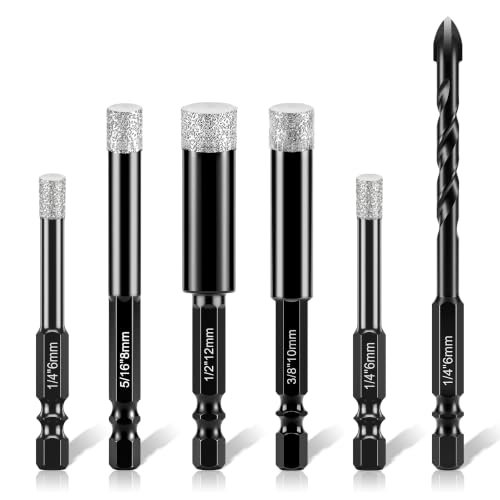
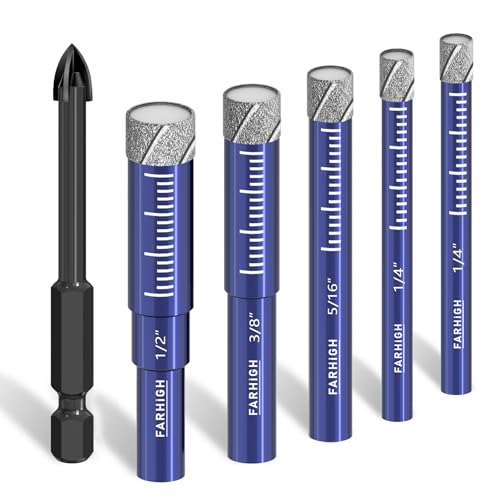
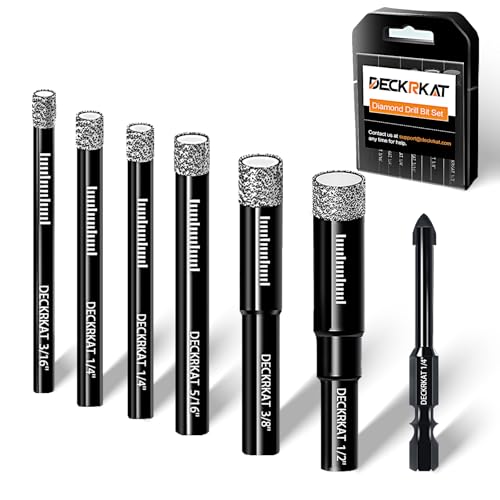
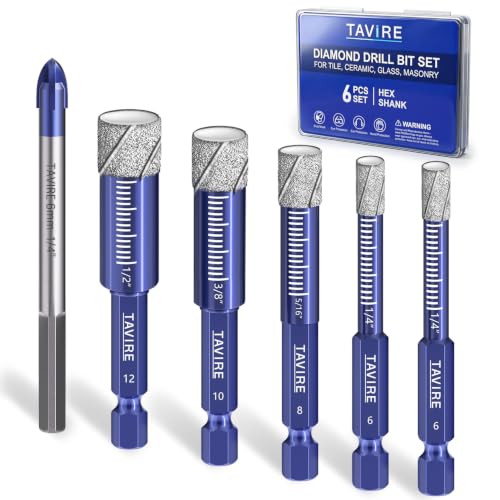
Bit skate across glossy glaze can shatter an entire backsplash before a hole even starts. Subway tile is notorious for chipping under standard masonry bits, especially when aggressive hammer modes or dull carbide tips generate excessive friction against the ceramic body. Equipping your rotary drill with the best drill bit for subway tile eliminates that heartbreak by grinding away vitreous enamel rather than hammering it. Diamond core bits built with vacuum-brazed diamond rims and internal wax lubricants manage thermal buildup effortlessly, allowing you to bore mounting holes for grab bars, shelving, and towel hooks without fracturing fragile wall tiles.
A reliable drill setup demands steady rotational speed, zero percussion, and dependable chuck retention to avoid runout wobble. While prepping surrounding wall surfaces often calls for a best detailing sander to smooth drywall edges around tile borders, punching through the glazed tile itself requires rigid shanks and high-grade abrasive grit. Evaluating core specs like cooling wax cores, hex shank grip security, and carbide starter bits ensures your cordless drill cuts crisp, round holes without marring your newly installed subway tile layout.

Frequently Asked Questions
Can I use hammer drill mode when drilling subway tile?
No, you must never activate hammer drill mode on subway tile. Percussion hammer action pounds directly against brittle ceramic glaze, causing instant spiderweb cracks and catastrophic tile breakage. Keep your cordless drill set strictly to rotary mode at moderate RPM. Gentle pressure with a vacuum-brazed diamond core bit grinds through the glaze smoothly.
How do you prevent the drill bit from wandering on slick subway tile?
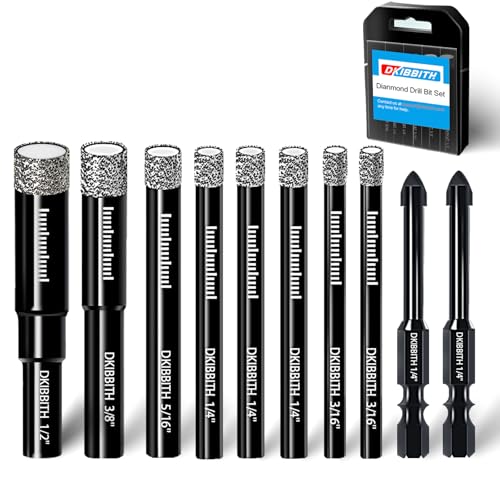
Start drilling at a 45-degree angle or use a carbide starter bit to score a shallow purchase point. A slick subway tile surface offers no traction, leading to bit skate across finished glaze. Once the tilted diamond rim cuts a shallow groove, pivot the drill upright to 90 degrees. Sets like the DYRECELVE Dry Diamond Drill Bits for Ceramic include starter bits to prevent walking.
Why do diamond drill bits for tile contain wax inside the core?
Integrated cooling wax acts as an internal heat sink that melts during friction to protect diamond grit. Rotational heat quickly degrades diamond bonding on dry cuts. Paraffin wax inside hollow core bits liquefies under heat, lubricating the cutting rim. While remodeling walls and smoothing adjacent trim using a best oscillator sander, self-cooling bits eliminate messy water cups at the work area.
Is a hex shank better than a round shank for ceramic tile bits?
Yes, a 1/4-inch hex shank provides superior torque transfer and prevents bit slipping inside your drill chuck. Round shanks can spin loosely if the diamond rim encounters resistance against hard ceramic tile. Hex shanks lock firmly into quick-change drivers and three-jaw chucks. This positive lock delivers steady rotation, which is vital when running the best drill bit for subway tile.
What drill speed is recommended for drilling subway tile in 2026?
Medium rotational speeds between 1,500 and 2,500 RPM deliver the cleanest cuts without scorching diamond grit. Running at maximum speed creates thermal buildup that wears down brazed diamonds prematurely. Modulate your variable speed trigger to maintain a steady tempo, allowing the diamond rim to abrade the ceramic body smoothly. Pausing between holes keeps bits cool throughout your 2026 tiling project.
Do you need water when drilling holes in subway tile?
Water is not mandatory for wax-filled diamond bits, but light lubrication extends bit lifespan. Dry diamond core bits rely on internal wax to absorb heat during brief fixture installations. However, dipping the tip in water flushes ceramic slurry and preserves the cutting edge. For dense subway tiles or multiple anchor installations, periodic water cooling keeps the rim cutting fast.


Write Your Review
No reviews yet. Be the first to share your experience!