


Dull cutting edges spinning against cast iron generate intense friction, smoking cutting fluid, and ruined workpieces. Drill bits dull rapidly when standard twist drills face heavy ferrous stock, forcing you to bear down with excessive feed pressure that strains the motor and risks severe wrist twist. Securing the best drill bits for iron solves this issue by utilizing tough alloys, such as cobalt blends or titanium-coated high-speed steel, that resist thermal breakdown under sustained friction. Metal fabrication often requires smooth finishing alongside clean boring, much like pairing solid drill tooling with the best da sander for bodywork to clean up burrs and rough stock edges.
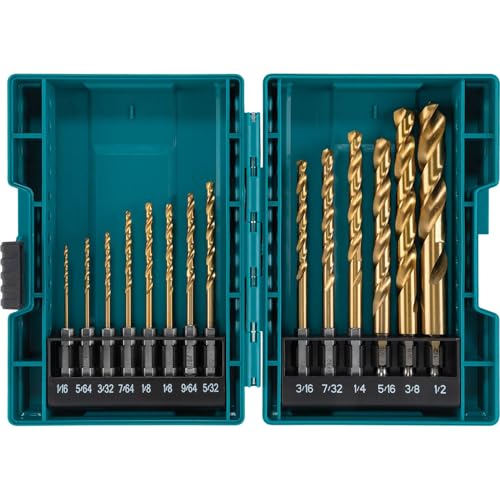
Careful review of manufacturer specifications reveals that aggressive 135-degree split points prevent bit walking across smooth cast surfaces without requiring a center punch. Sturdy shank designs, including 3-flat shanks and stepped profiles, maximize chuck gripping strength so high-torque cordless drills and benchtop drill presses can deliver continuous cutting pressure. Selecting heavy-duty cobalt drill bits and durable coatings helps DIY fabricators and tradespeople drill accurate pilot holes and clean penetrations without burning out expensive cordless drill motors.


Frequently Asked Questions
Can standard high-speed steel bits cut through cast iron?
Yes, standard high-speed steel can cut cast iron, but cobalt-alloyed or titanium-coated bits perform far better. Cast iron contains abrasive carbon particles that quickly blunt conventional HSS edges under sustained drilling friction. Using M35 cobalt bits with a 135-degree split point provides higher heat resistance and maintains cutting sharpness through repetitive holes.
What drill speed setting works best for drilling iron in 2026?
Low gear drill speeds between 300 and 600 RPM deliver the cleanest results in cast iron and heavy steel. High rotational speeds generate extreme thermal friction that ruins the temper of the cutting edge and risks motor overheating. Adjusting a dual-speed transmission to low gear allows high sustained torque and prevents the bit from binding.
Do 3-flat shanks prevent bit slippage in a keyless drill chuck?
Yes, 3-flat shanks physically lock into 3-jaw chucks to eliminate rotational slipping under heavy torque loads. Standard round shanks can spin freely inside a keyless chuck when chewing through thick ferrous plates. Flats machined on the bit base provide positive mechanical engagement, protecting both the drill chuck jaws and the bit from gouging.
Why are 135-degree split-point tips recommended for the Best Drill Bits For Iron?
A 135-degree split point begins cutting immediately on contact and prevents the drill bit from wandering across slick metal surfaces. Standard 118-degree tips require substantial starting pressure and often skitter without a center punch mark. Split points also decrease feed resistance, lowering the strain on your drill driver battery and motor.
Should cutting fluid or oil be used when drilling cast iron?
No, cast iron should generally be drilled dry because its internal graphite content acts as a natural lubricant. Applying liquid oils or fluids creates an abrasive slurry with iron dust that accelerates cutting edge wear. Keeping the drill speed low and clearing iron dust frequently ensures clean holes, while workshop smoothing gear like the best detailing sander helps deburr and prep surrounding project edges.
Can step drill bits handle heavy iron stock effectively?
Step drill bits work exceptionally well for thin iron sheet metal and electrical enclosures up to 1/8-inch thickness. They allow progressive hole enlargement without needing continuous bit swaps in your chuck. For thick structural cast iron or solid metal bars, dedicated jobber-length cobalt twist bits remain the superior choice.


Write Your Review
No reviews yet. Be the first to share your experience!