


Boring Clean Call Barrels Without Bit Wander
Chuck wobble and bit wandering can ruin an expensive piece of figured hardwood before it ever touches a lathe bed. When boring end grain, drill bit slippage inside keyless chuck jaws or excessive runout pulls the bore off-center, leaving thin walls that crack under pressure. Getting the best drill bit for duck call blank preparation means relying on tooling that maintains dead-center alignment under sustained load. Many woodturners pair their lathe chucks with a dedicated 5/8-inch boring bit to keep barrel walls uniform across dense blanks.
Boring straight through dense acrylic or stabilized burl requires clean chip clearance and dependable feed control. Aligning your blank in a steady vise or a dedicated drill jig prevents the bit from flexing off-axis during heavy cuts. Based on specifications for popular game call hardware like the Arkansas Magnum lineup from Penn State Industries, a matched 5/8-inch bore diameter delivers the precise fit required for sound inserts and mandrel turning. That balance between tight bore tolerance and clean internal walls ensures you don’t ruin valuable blank stock before shaping begins.


Frequently Asked Questions
What size is required when selecting the Best Drill Bit For Duck Call Blank in 2026?
A 5/8-inch drill bit is the required dimension for Arkansas Magnum duck call blanks. Both the single reed PKGCALL2 and double reed PKGCALL22 kits from Penn State Industries specify a 5/8-inch bore through a minimum blank footprint of 1-1/2 by 1-1/2 by 4 inches. This exact channel allows the reed insert assembly and standard expanding turning mandrels to seat securely. Matching your bit diameter to the manufacturer specifications prevents sloppy fits and air leaks in the completed call.
Why does a drill bit wander off-center during deep blank drilling?
Excessive chuck runout, aggressive feed pressure, and uneven end grain density cause drill bits to drift off-center. When boring lengthwise into dense hardwoods, cutting tips naturally steer toward softer growth rings if feed pressure is too high. Backing the bit out regularly clears packed wood chips that would otherwise wedge against flutes and redirect the tip. Securing the blank in a dedicated lathe chuck rather than hand-holding the workpiece minimizes angular runout.
Is a brad point bit or a Forstner bit better for boring duck call blanks?
Brad point bits are generally preferred for deep barrel boring, though Forstner bits excel at shallow starter sockets. A long brad point bit features deep helical flutes that evacuate shavings efficiently through a four-inch timber blank. Forstner bits leave exceptionally smooth perimeter walls but generate friction rapidly if chips cannot escape a deep hole. Many turners start the entry with a center drill and finish the pass with a continuous-flute bit.
Can you bore duck call blanks accurately with a handheld cordless drill?
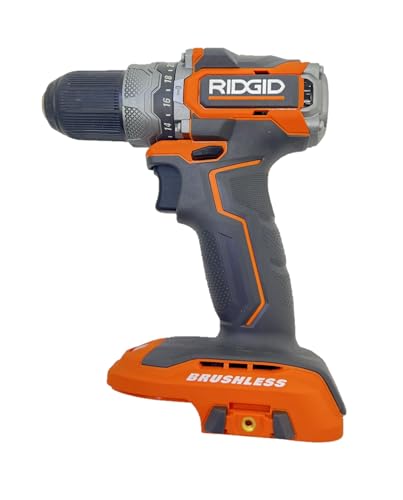
No, handheld drilling is not recommended because maintaining true axial alignment over four inches is nearly impossible by hand. Even slight wrist tilt creates an eccentric internal bore, leaving one side of the call barrel too thin during exterior turning. Mounting the bit in a lathe tailstock chuck or a sturdy drill press table provides the rigid guidance required for concentric bores. Mechanical alignment keeps the barrel wall thickness balanced all the way around.
How do you prevent blowout when the bit breaks through the blank?
Backing the workpiece with sacrificial scrap wood and easing off forward feed pressure prevents exit blowout. As the cutting spurs penetrate the end grain, unsupported fibers splinter easily under axial thrust. Clamping a flat scrap block tightly against the exit side supports the grain until the cutter exits cleanly. Alternatively, boring halfway from each side toward the center produces pristine openings at both ends.
What cutter material works best for acrylic and stabilized wood blanks?
High-speed steel (HSS) tooling works best because it withstands friction heat without quickly losing its cutting temper. Dense cast acrylic and resin-impregnated burls generate significant heat that dulls ordinary carbon steel edges. If your custom turning projects also require drilling metal ferrules or brass sleeves, using the best drill bit to cut stainless steel ensures clean results without overheating. Maintaining moderate rotational speeds keeps acrylic shavings from melting back onto the cutter flutes.




Write Your Review
No reviews yet. Be the first to share your experience!