


Misaligned dowel holes and wandering twist bits ruin expensive lumber faster than almost any other workshop mishap. Handheld drilling frequently introduces subtle chuck runout, pulling holes off-center so mating boards don’t align cleanly. Pairing your cordless drill driver with the best drill jig eliminates that frustrating bit deflection, locking in true 90-degree angles or repeatable pocket channels across dense hardwoods. Solid steel guide bushings keep twist bits on track, so cabinet face frames and edge joints pull together flush without endless clamping wrestling.
Reliable clamping mechanisms and hardened guide sleeves provide stability that rivals a stationary drill press while maintaining jobsite portability. Selecting the best drill jig requires looking at clamping jaw capacity, hardened steel insert durability, and workpiece clearance for tight spaces. Integrating precise guide blocks alongside your dependable woodworking sanding tools ensures crisp joint alignment before final surface smoothing begins. Clean bored holes deliver maximum mechanical grip for dowels and pocket screws, preserving structural rigidity across every joint.


Frequently Asked Questions
Can a handheld drill guide replace a benchtop drill press for straight holes?
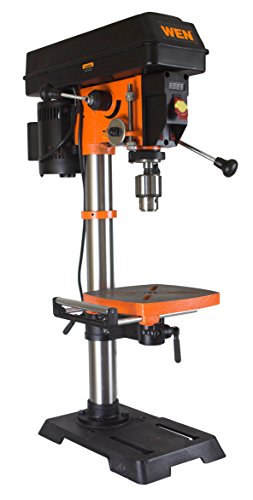
Yes, for most on-site tasks and large workpieces, a portable guide delivers perpendicular bore holes comparable to a benchtop press. Guide bases use all-metal alignment bars or hardened bushings to stop handheld twist bit deflection. While a dedicated drill press provides rigid quill travel for repetitive shop production, the best drill jig offers the portable flexibility needed for stair railings, wide panels, and cabinet boxes that cannot sit on a machine table.
How do hardened steel bushings prevent drill bit wear?
Hardened steel sleeves prevent standard fluted drill bits from chewing into softer aluminum guide bodies during drilling. The tight mechanical tolerance between the drill bit diameter and the bushing wall stops lateral wobble without dulling cutting spurs. Pairing these guides with a steady variable speed trigger ensures clean chip extraction and prevents heat buildup during repetitive drilling cycles in dense lumber.
What is the difference between a self-centering dowel jig and a pocket hole jig?
Self-centering dowel jigs locate exact centerlines on board edges for hidden joint pins, whereas pocket hole jigs bore steep 15-degree angled channels for specialized face-frame screws. Dowel jigs rely on parallel clamping jaws that squeeze evenly against stock faces to align matching holes automatically. Pocket hole systems clamp flat against board surfaces, guiding stepped drill bits to create clean shoulder pockets for rapid assembly before you smooth edges with a detail sanding tool.
Does drill chuck runout affect the precision of a drill jig?
Yes, excessive chuck runout forces the drill bit to bind against guide bushings and creates premature friction. A quality 1/2-inch keyless chuck with balanced three-jaw gripping minimizes bit wobble before the bit even contacts the jig collar. When using the best drill jig in 2026, running your drill at moderate RPMs prevents bit chatter and ensures smooth plunge travel through deep holes.
Can angle drill jigs handle repetitive drilling in deck posts and cable railings?
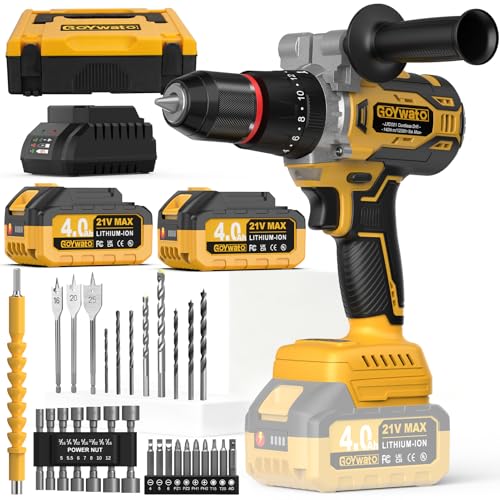
Yes, multi-angle guide blocks feature dedicated 30, 45, and 90-degree channels designed specifically for stair stringers and cable railing posts. Built-in V-grooves help the jig seat firmly onto round or square lumber posts without slipping off mark. Clamping the guide securely before engaging your cordless drill driver guarantees consistent cable pitch angles across every railing section.




Write Your Review
No reviews yet. Be the first to share your experience!