


Smelling scorching cutting fluid while your drill bit spins helplessly against a seized fastener ranks among the most annoying workshop roadblocks. Grade 8 hardware undergoes intense heat treating and quenching, creating a hardened core that instantly dulls ordinary twist drills and leaves your drill motor smoking under heavy strain. Achieving a clean bore through structural alloy hardware requires picking the best drill bit for drilling grade 8 bolt assemblies, pairing heavy core hardness with sharp, heat-dissipating flutes that bite instead of skate.
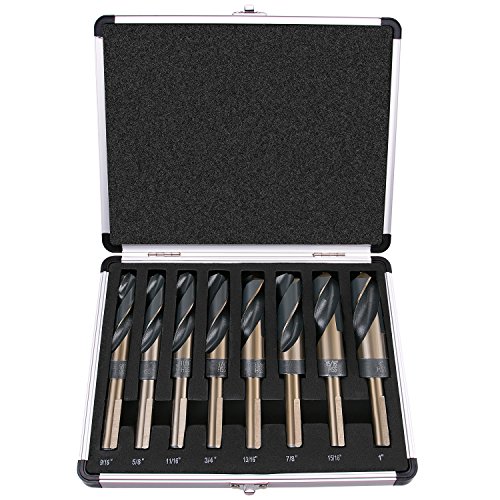
A capable drill setup relies on sustained drilling torque and low rotational speeds to prevent thermal breakdown at the cutting lip. When you tackle sheared suspension pins, frame mounts, or heavy brackets alongside auto metal projects that require tools like a DA sander for bodywork, durable cutting edges make all the difference. Premium tooling options like M35 cobalt steel blends, Niobium NB41 alloys, and self-centering 135-degree split point geometries dig directly into hardened bolts without wandering across the fastener head. By analyzing manufacturer specifications, flute geometry, and aggregate user feedback, we can identify tooling capable of chewing through tempered Grade 8 alloy without chipping under pressure.




Frequently Asked Questions
What metal composition makes the Best Drill Bit For Drilling Grade 8 Bolt effective?
Cobalt-alloyed high-speed steel or specialized niobium alloys are mandatory. Grade 8 bolts possess a tensile strength exceeding 150,000 psi, which rapidly burns standard carbon steel or regular titanium-coated bits. Formulations like M35 cobalt retain their cutting edge at extreme friction temperatures, allowing the bit to shave hardened metal without softening.
What drill speed setting should you use on hardened bolts?
Low RPM settings with firm, steady feed pressure yield the best results. Running your drill motor at high speeds generates rapid frictional heat that hardens the bolt surface further and destroys bit tips. Keep your dual-range gearbox in low gear, maintain heavy downward force to produce continuous curled metal ribbons, and apply cutting oil generously.
Why is a 135-degree split point preferred over a standard 118-degree tip?
A 135-degree split point bites into hardened steel immediately without walking across the surface. Standard 118-degree tips require a center punch and tend to wander on rounded or sheared bolt faces. The flatter geometry of a 135-degree tip distributes cutting pressure across a wider edge, minimizing chipping when penetrating high-tensile fasteners.
Can a standard cordless drill power through Grade 8 hardware in 2026?
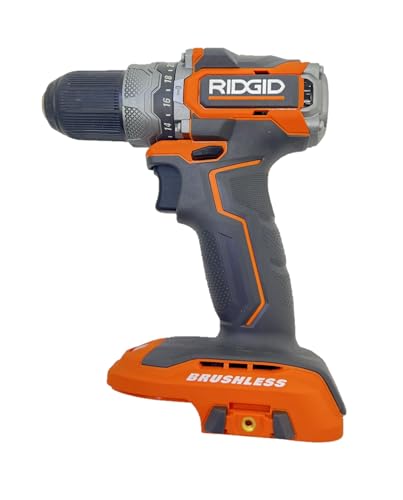
Yes, provided the tool features an all-metal chuck, variable speed trigger modulation, and sufficient low-end torque. A brushless drill driver switched to speed setting one gives you the slow rotational control needed to preserve your bit. High-torque brushless platforms prevent motor stalling while maintaining the steady feed rate required for deep metal penetration.
How should you clean up rough bolt holes and metal burrs after drilling?
Deburring tools or dedicated abrasive tools clean up sharp metal edges quickly once boring is complete. When working in tight automotive frames or bracket clearances, pairing fine abrasives or a detailing sander helps smooth surrounding flanges after removing damaged bolts. Maintaining smooth edges prevents stress fractures and ensures replacement fasteners sit flush.


Write Your Review
No reviews yet. Be the first to share your experience!