


Overcoming Dead Batteries and Fastener Stalls in the Workshop
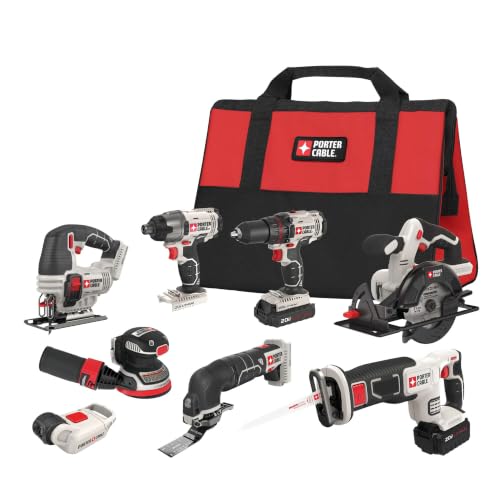
Stripped screw heads and sudden motor stalls halfway through dense framing lumber create unnecessary frustration on active jobsites. Reliable driving power requires smooth variable speed triggers, balanced ergonomics, and dependable power cells that do not cut out under pressure. When running classic 18-volt gear like the porter cable pc180dk 2 drill, maintaining sustained torque output depends heavily on fresh battery packs and efficient charging systems. Upgrading your workshop with a versatile drill driver impact combo pairs well with legacy tools, giving you high rotational force for structural lags alongside controlled drilling for delicate assemblies.
Careful inspection of motor architectures and chuck gripping mechanisms reveals that older brushed drill drivers still hold great utility for everyday home maintenance and workshop repairs. Pairing functional tool bodies with modern high-capacity replacement batteries restores drilling speed, allowing you to bore clean holes through hardwoods without unwanted motor sag. Many DIYers find that refreshed battery packs breathe new life into older 18V equipment while serving as a bridge to current 20V Max systems. This approach keeps your drilling gear ready for action without requiring an immediate, expensive overhaul of your entire tool collection.


Frequently Asked Questions
Can modern 20V Max lithium batteries fit directly onto the porter cable pc180dk 2 drill?
No, 20V Max slide-style batteries do not fit legacy 18V post-style drill handles without a physical adapter. The older 18-volt system uses a tower battery stem inserted directly into the grip. You can use compatible 18V replacement battery packs to keep the drill operational or transition to newer 20V Max platforms.
What is the main practical difference between a drill driver and an impact driver?
Drill drivers feature an adjustable clutch and a keyless chuck for drilling holes and driving delicate fasteners. Impact drivers provide high rotational force with internal concussions through a 1/4-inch hex collet, driving large structural screws without wrist strain. Using both tools preserves bit life and eliminates constant bit swapping.
How do clutch settings prevent stripped screws during woodworking projects?
Adjusting the torque collar to a lower number disengages the drive mechanism once the fastener meets set resistance. This action prevents the bit from camming out and stripping screw heads in softwoods or cabinet frames. Feathering the variable speed trigger at the end seats screws flush cleanly.
When should you use a drill bit depth stop on repetitive drilling jobs?
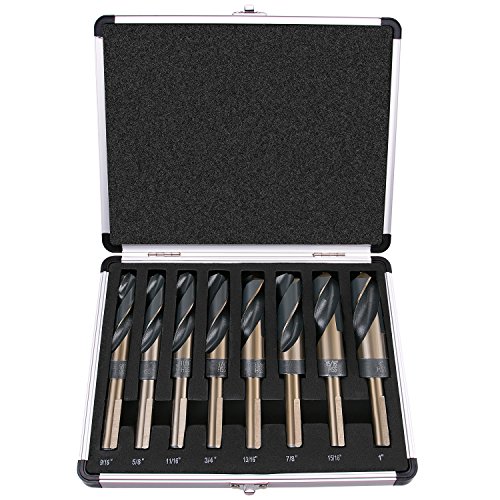
A dedicated drill bit depth stop is recommended when you need exact hole depths across repeated bores. Depth stop collars clamp onto drill bits to stop drilling at a set point, preventing punch-through on cabinet hinges or dowel joints. This ensures clean, uniform holes without tedious measuring between holes.
Can a standard cordless drill bore through thick structural metal?
Yes, cordless drill drivers can penetrate metal when switched to low gear and equipped with a specialized drill bit for steel beam fabrication. Drilling at low RPM prevents excess friction and heat buildup that can dull cutting edges. Applying steady downward pressure keeps the bit cutting cleanly without binding.





Write Your Review
No reviews yet. Be the first to share your experience!