


Chuck wobble and bit deflection can ruin a clean hole before the cut even begins. Drill bits that wander across tough metal stock cause sloppy tolerances, stripped workpieces, and wasted workshop hours. Selecting the best drill press for machining gives you the rigid quill travel, solid cast-iron base, and stable variable speeds needed to prevent unwanted spindle play. Careful analysis of motor ratings, swing depth, and table tilt options reveals how much a sturdy benchtop machine changes daily metalworking and fabrication tasks. Pairing a solid drilling setup with the right workshop equipment, much like picking the best oscillator sander for smooth surface prep, keeps every metal and wood project clean and accurate.
Sustained drilling torque keeps high-speed steel bits cutting smoothly without sudden stall-outs under pressure. Flimsy drill presses often struggle with belt slip or lack the chuck capacity to handle heavy twist bits and center finders. A reliable setup requires dependable clamping accessories, low spindle runout, and steady variable speeds that adapt to cast iron, aluminum, or dense hardwoods. Reviewing verified user experiences alongside detailed technical specs helps pinpoint the ideal balance of power, mechanical speed control, and table versatility for your benchtop workshop.

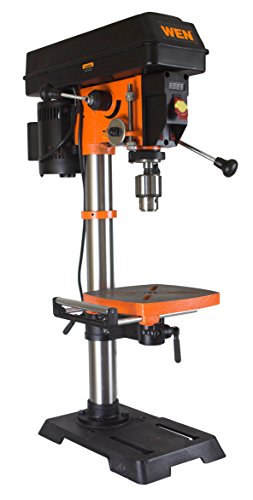

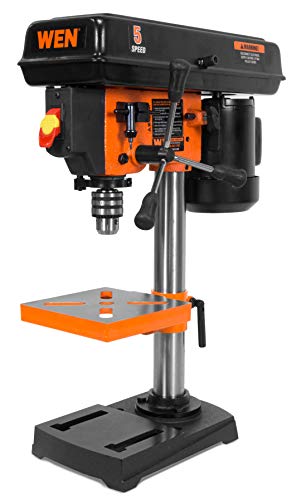


Machining Precision and Drill Press Essentials
What spindle speed works best for metal machining?
Lower spindle speeds between 500 and 1,000 RPM deliver the cleanest results for metal machining. Running steel or dense metals at high RPM generates excessive thermal friction that dulls bits and workpieces. Utilizing variable speed belts or mechanical pulleys lets you dial down the RPM while maintaining maximum motor torque to push twist bits through metal cleanly.
Why is a drill press vise necessary when machining metal?
A dedicated drill press vise prevents workpieces from spinning violently during bit breakthrough. Clamping metal securely protects your hands from torque kickback and stops bit wandering. Heavy-duty cast iron vises with slotted mounting bases ensure your workpiece remains rigid under sustained downward feed pressure.
How much spindle travel is needed for typical machining projects in 2026?
Spindle travel between 2 inches and 3-1/8 inches handles the vast majority of machining tasks. Compact benchtop models provide around 2 inches of stroke, which suits sheet metal, brackets, and small plate drilling. If you bore deep through-holes in thick billet stock, seeking a model with at least 3 inches of quill stroke prevents the need to adjust table height midway through.
What makes induction motors better for drilling metal than universal motors?
Induction motors provide consistent torque output and operate at much lower noise levels. Unlike brush-equipped universal motors that scream under load, induction power plants maintain rotational momentum without thermal breakdown. This steady power delivery keeps cutting flutes engaged smoothly, which pairs nicely alongside post-machining tools like a best detailing sander for finishing metal and composite edges.
Does swing size impact machining capabilities?
Yes, the swing size dictates the maximum width of stock you can drill to center. An 8-inch swing allows drilling up to 4 inches from the material edge, whereas a 12-inch machine allows drilling up to 6 inches from the edge. Choosing a larger swing provides the throat clearance necessary for wider metal panels, motor brackets, and custom machine frames.
How can you check center alignment on round stock?
Standard center finder tools mounted in a 3/8-inch chuck quickly identify the true center of cylindrical parts. Aligning the pointer against your workpiece eliminates guesswork and scribing errors. This setup ensures pilot holes land dead-center on shafts, dowels, and pipe fittings.




Write Your Review
No reviews yet. Be the first to share your experience!