


Reliable Fastening Power for Demanding Construction Jobs
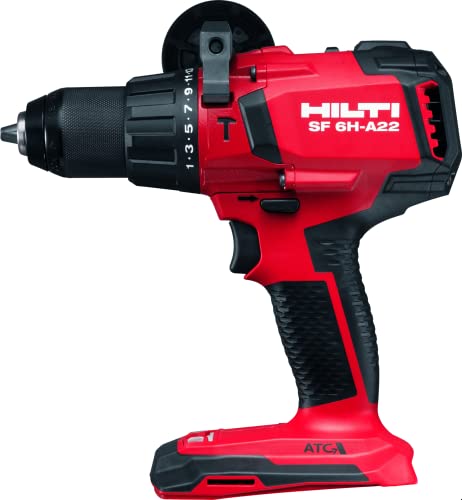
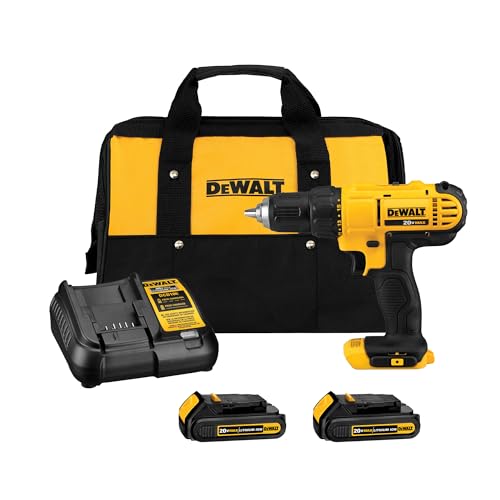
Sudden motor stalling halfway through dense framing timber or tough masonry blocks quickly ruins work momentum and strains your wrist. Demanding construction tasks require a reliable cordless platform capable of maintaining raw driving power without overheating its gearbox. Navigating specifications across commercial-grade rotary tools can be overwhelming, which is why this hilti sf 6h a22 22v hammer drill driver review breaks down what matters most for demanding trades. Many builders pairing high-torque drivers often evaluate a dependable drill driver impact combo to cover both precision boring and heavy fastening duties on the jobsite.
Mechanical endurance depends heavily on an all-metal ratcheting chuck, efficient heat dissipation, and smooth variable speed trigger modulation to prevent stripped fasteners. Based on manufacturer specifications and aggregated feedback from seasoned trade workers, 22V cordless platforms offer the sustained torque needed to sink large auger bits and hammer into cured concrete foundation walls. Evaluating the balance between bare tool weight, active torque control, and lithium-ion battery runtime ensures your chosen equipment handles heavy jobsite punishment day after day.


Frequently Asked Questions
What makes a 22V hammer drill driver different from a standard impact driver?
Hammer drill drivers utilize a direct chuck and axial percussive mechanism for boring holes, whereas impact drivers employ a 1/4-inch hex collet with rotational concussive force for driving fasteners. A dedicated hammer drill mode pulses the bit straight forward to pulverize masonry while spinning, which suits concrete anchors. An impact driver delivers rapid rotational bursts tangential to the fastener head to sink structural lags without cam-out. Both tools serve distinct mechanical roles on active construction sites.
Can this 22V hammer drill driver bore effectively into structural steel?
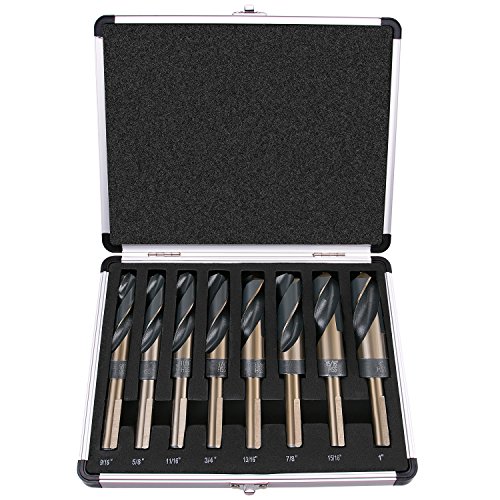
Yes, the dual-speed all-metal transmission provides the low RPM and sustained torque required to drill structural metal safely. Setting the tool to rotary drill mode and pairing it with a proper bit like the drill bit for steel beam ensures clean chip clearing without burning bit tips. Operators should apply steady feed pressure and avoid percussion mode during metal drilling to protect the cutting flutes.
How does active torque control protect operators during high-torque hole saw cutting?
Active torque control electronically shuts down motor power within a fraction of a second if a hole saw suddenly binds. When large accessories jam in dense framing lumber, standard high-torque tools violently twist the operator’s hands. Internal gyroscopic sensors detect rapid housing movement and disengage power instantly, drastically cutting down on wrist strain and sudden tool kickback.
Why is an all-metal ratcheting chuck preferred for tough masonry work?
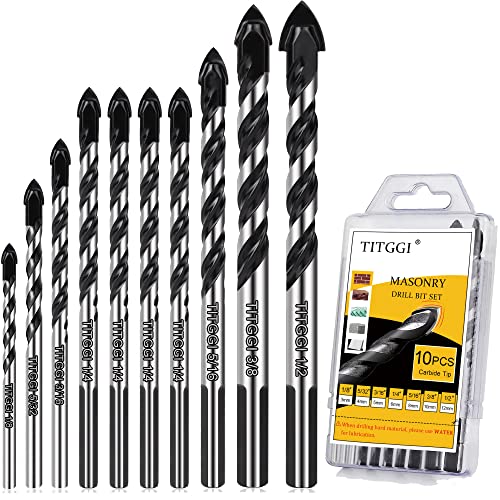
All-metal ratcheting chucks provide superior bit clamping force and resist fine abrasive concrete dust far better than composite sleeves. Carbide masonry bits encounter heavy vibration that can rattle standard friction chucks loose during repetitive drilling cycles. Hardened steel jaws lock securely around cylindrical and hex shanks, preventing bit slippage and reducing runout wobble.
How do higher amp-hour batteries impact cordless drill performance in 2026?
Higher amp-hour battery packs provide longer continuous runtime and prevent sudden voltage sag during high-amperage drilling. While larger packs add noticeable base weight, their parallel cell layout delivers steady power to brushless motors under heavy resistance. Matching battery capacity to your specific jobsite tasks maintains balanced handling without unnecessary fatigue during overhead work.
How can you ensure exact hole depth when anchoring into concrete with this tool?
Using an adjustable side-handle stop or pairing your bit with a dedicated drill bit depth stop provides repeatable accuracy for masonry anchors. Percussion drilling into block without a positive depth limiter risks oversized holes and weak anchor engagement. A secure stop collar guarantees uniform hole depths across extensive anchoring installations.




Write Your Review
No reviews yet. Be the first to share your experience!