


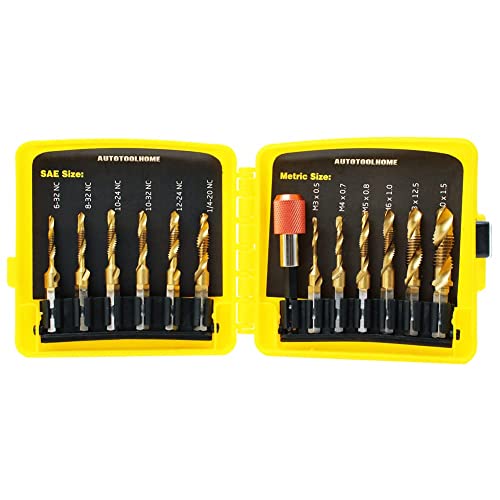
Snapping a brittle tap inside a freshly drilled hole brings fabrication to a halt, ruining workpieces and wasting shop time. Traditional two-step tapping demands perfect pilot alignment, so it doesn’t leave much room for error in mild steel, aluminum, or brass. Modern combination drill tap bits solve this issue by boring the hole, cutting female threads, and deburring in a single continuous pass. Sifting through steel grades and hex shank tolerances reveals why the best drills and tap sets make clean threading far more reliable for mechanical repairs. When prepping metal panels, using a dual-action sander for auto body work beforehand ensures clean, flat surfaces before cutting threads.
Operating combination bits requires steady variable speed trigger modulation and low clutch resistance to avoid snapping at the transition shoulder. Titanium coatings reduce friction, helping disperse heat during continuous hole boring. Based on manufacturer specifications and aggregated trade feedback, matching drill RPM to tap diameter ensures clean thread engagement without stripping sheet metal. Choosing a dependable bit set turns tedious multi-stage tapping into a fast, single-trigger job.


Frequently Asked Questions About Combination Drill and Tap Sets
Can you use combination drill and tap bits in an impact driver?
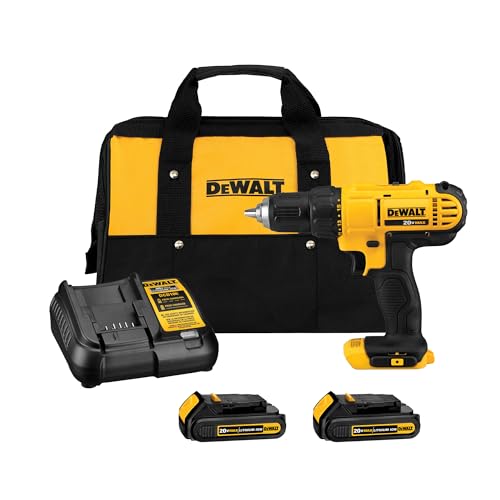
No, standard impact drivers are not recommended because sudden rotational concussions can shatter hardened high-speed steel. A variable speed drill driver with an adjustable mechanical clutch provides the smooth torque delivery required to preserve thread pitch. Setting the clutch low also protects against sudden bit binding at the end of the stroke.
What is the maximum metal thickness recommended for combination drill tap bits?
Most combination bits safely thread metal sheets up to 1/8-inch or 3/16-inch thick, depending on tap flute length. Exceeding this depth causes the drill tip and tap thread to engage at the same time, risking motor stall. Checking manufacturer specifications ensures the workpiece gauge does not overwhelm your chosen Best Drills And Tap set.
Do combination drill tap bits require cutting fluid during drilling?
Yes, applying cutting fluid or tapping wax is essential to prevent heat buildup and friction wear. Lubricant helps titanium-coated flutes eject chips cleanly without galling delicate threads. Running bits dry through steel quickly dulls cutting edges and ruins thread precision.
What drill speed setting works best for combination drilling and tapping?
Low speed settings between 200 and 500 RPM deliver the cleanest threads with minimal bit wear. High drill speeds can overheat the tap flutes when piercing through the metal. Once threads are formed, running your drill in reverse at low speed backs the bit out cleanly.
How do you smooth rough edges after tapping holes in metal projects?
Built-in deburring collars chamfer hole edges automatically, but finishing adjacent surfaces with a compact detail sander removes leftover burrs and metal slag. Cleaning the surrounding area ensures fasteners sit flush against the workpiece in 2026.




Write Your Review
No reviews yet. Be the first to share your experience!