


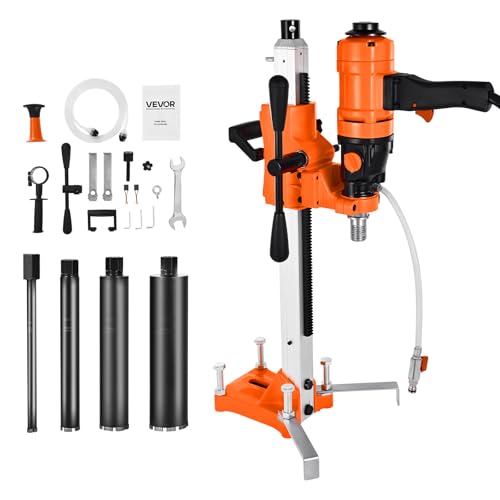
Boring large-diameter penetrations through solid foundation walls or reinforced slabs quickly punishes standard rotary hammers and standard percussion drills. Sustained friction against aggregates and steel mesh generates brutal heat that trips breakers and strips ordinary gearboxes. Selecting the best drill for core drilling requires a serious look at high-torque electric motors, mechanical safety clutches, and integrated water delivery connections that wash away dense slurry. Tradespeople installing heavy conduits and drain lines know that matching spindle speed to diamond segment diameter prevents premature bit glazing. After cutting structural openings through subfloors, completing clean surface prep around the work zone often pairs with a dedicated sander for floorboard restoration before final fixtures go in.
Rigid stand mounts make a massive difference when boring holes over four inches because handheld operation can lead to severe bit bind-up. Built-in bubble levels and secure column anchors ensure every core remains perpendicular, eliminating binding friction that destroys expensive diamond teeth. Dual-speed gearboxes and variable triggers give operators precise control across different aggregate densities, while ground-fault circuit interrupter protection keeps wet coring operations safe around damp jobsite trenches. Reviewing manufacturer power ratings and user feedback helps identify rigs with the endurance needed for uninterrupted drilling sessions.


Frequently Asked Questions
Can a standard hammer drill be used instead of a dedicated core drill rig?
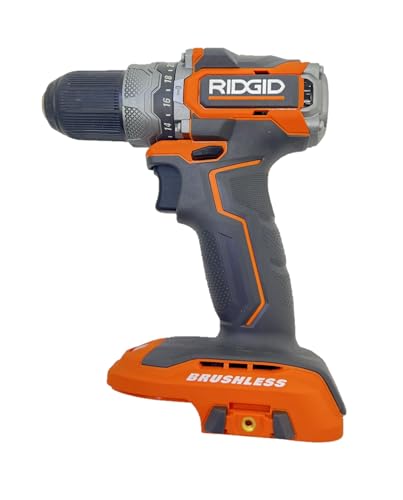
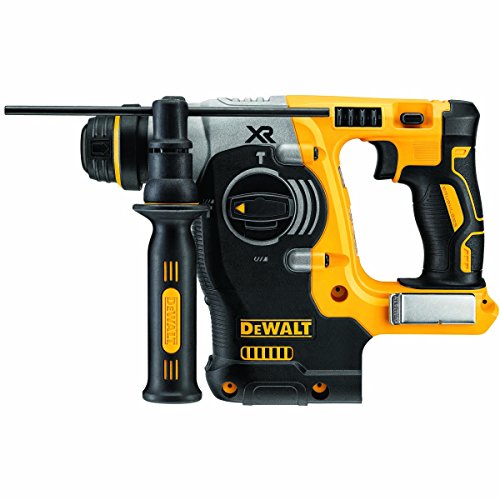
No, standard hammer drills lack the continuous low-speed torque and water feed systems required for diamond coring. Hammering action actually fractures the synthetic diamond matrix rather than grinding through the aggregate cleanly. Using the best drill for core drilling provides steady rotational speed without percussion, protecting both the diamond segments and the motor from early burnout.
What is the main benefit of wet coring over dry coring in concrete?
Wet coring actively cools the diamond core bit while flushing out abrasive concrete slurry to prevent bit jamming. Running water continuously suppresses hazardous airborne crystalline silica dust on jobsites. Dry coring works in a pinch for soft brick or cinder block, but reinforced concrete demands water lubrication to maintain diamond cutting efficiency.
Why do many core drilling machines use a 1-1/4-inch threaded spindle?
The 1-1/4-7 UNC thread size is the industry standard arbor connection for heavy-duty diamond core bits. This robust threaded shaft provides superior rigidity and handles tremendous rotational resistance without stripping or wobbling under load. Many rigs also accept thread adapters so you can mount smaller 5/8-11 threaded bits when needed.
When is a stand-mounted core rig necessary compared to a handheld unit?
Stand mounting becomes essential whenever you drill holes larger than three or four inches in diameter. Handheld rigs can cause sudden kickback if a large core bit snags on steel rebar inside the concrete. Bolting the drill column to the slab or wall ensures a perfectly straight bore, reduces physical fatigue, and prevents binding.
How do you finish tight edges or corners after boring large pipe openings in 2026?
Operators typically clean up surrounding framing and trim surfaces with a compact power tool like a detailing sander to create smooth clearances for pipe collars. While the core machine punches cleanly through masonry, adjacent woodwork often needs fine detailing before installing final escutcheons. Inspecting clearances early prevents awkward interference when setting mechanical pipes.
How does a mechanical slip clutch protect the operator during core drilling?
A mechanical clutch automatically disengages motor power from the spindle the instant a diamond bit binds against hard rebar. This safety mechanism prevents violent rotational kickback that could wrench your wrists or damage the internal gearbox. Keeping the clutch properly maintained ensures safe operation across high-torque coring applications.






Write Your Review
No reviews yet. Be the first to share your experience!