


Sudden wrist-wrenching bind-up when a large cutter catches dense framing timber can stop jobsite progress dead in its tracks. Boring through tough wall studs, deep floor joists, or thick structural plates requires sustained low-speed torque and heavy-duty mechanical construction that standard compact drivers simply cannot deliver. Identifying the best drills for a hole hog means matching uncompromising rotational muscle with precision cutters, robust shanks, and secure tool interfaces. High-demand hole drilling generates extreme resistance, so your equipment must feature rigid gear housings, reliable chuck grip, and dependable heat dissipation to prevent burning out motors during long rough-in runs.
Many commercial rough-in tasks also require pairing these heavy boring setups with other jobsite essentials, much like how carpenters balance rough framing with an oscillator sander for woodworking when smoothing exposed timber surfaces. Based on manufacturer specifications and aggregated feedback from seasoned tradespeople, selecting the right cutters and measuring tools prevents rounded shanks, bit binding, and ragged openings. Whether you are running plumbing lines through floor plates or cutting heavy metal stock, dependable gear ensures safe, continuous operation without unexpected mechanical failure.




Frequently Asked Questions
What makes a dedicated hole hog style drill different from a standard cordless drill driver?
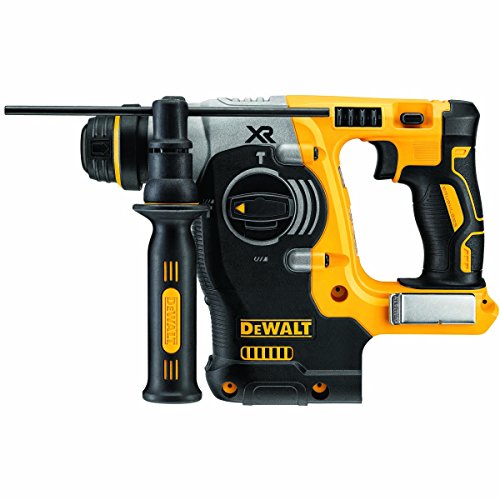
Dedicated hole hog style drills utilize specialized low-speed, high-torque gearboxes designed specifically to drive large diameter bits through dense materials without stalling. Standard drill drivers prioritize higher rotational speed for general fastening and small pilot holes, which leads to overheating under continuous large-diameter loads. Heavy-duty right-angle drills also feature extended auxiliary handles to give operators better mechanical leverage against reactive torque.
Can standard drill bits handle the torque generated by high-power boring drills?
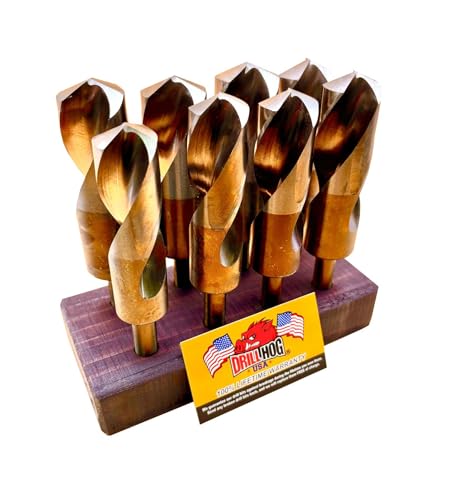
No, standard round-shank drill bits frequently slip inside chuck jaws when subjected to the intense rotational forces of rough-in drilling. Heavy boring tasks require drill bits with tri-flat shanks, hex drives, or heavy-duty M42 cobalt Silver and Deming profiles that lock firmly into 1/2-inch chucks. Using undersized or standard bits under high torque often scores the shank and damages the chuck jaws.
How do tri-flat shanks help prevent chuck slippage during heavy drilling?
Tri-flat shanks provide three ground, flat surfaces that allow three-jaw chucks to clamp down with maximum surface contact and mechanical locking. This geometric grip prevents the bit from spinning freely when the cutting edge hits a knot or hard steel reinforcement. As a result, operators get consistent hole boring without damaging the chuck or stripping the bit shank.
Why is low RPM important when using large hole cutters and core drills in 2026?
Operating at lower RPM maintains cutter control, reduces friction heat, and prevents the cutting teeth from prematurely dulling or burning out. Large hole saws, carbide tipped cutters, and multi-flute core drills remove substantial material per revolution, creating extreme friction at high speeds. Keeping rotation between 150 and 500 RPM delivers clean, burr-free cuts while extending cutting tool life in 2026.
What accessories are essential when working with the best drills for a hole hog?
Essential accessories include heavy-duty Silver and Deming bits, precision hole gauges, pipe bevelers, and dedicated arbor adapters. Just as fine wood finishing requires a detailing sander for tight spaces, rough-in drilling depends on having accurate measurement tools and multi-flute cutters ready in your kit. Equipping your setup with the best drills for a hole hog accessories ensures that every rough opening and pipe joint meets jobsite tolerances.
How do you prevent wrist injury and dangerous kickback when a large bit binds?
Maintaining a firm two-handed grip, bracing against solid structural framing, and using drills with mechanical clutches or electronic anti-kickback brakes prevents dangerous wrist wrenching. When a cutter catches on hidden nails or dense grain, the rotational force transfers instantly to the tool body. Setting proper leverage and keeping your body out of the direct recoil path minimizes fatigue and prevents injury on the jobsite.



Write Your Review
No reviews yet. Be the first to share your experience!