


Stripping a screw head into a stubborn piece of framing lumber ruins an afternoon project faster than almost anything else. Standard drills often deliver sudden jolts of speed that cam out fasteners, chew through soft pine, or snap delicate drywall screws. Selecting the best drills for screwing requires paying close attention to precise clutch sensitivity and low-speed trigger modulation rather than raw, unchecked power alone. Based on detailed manufacturer specifications and user feedback across everyday workshop tasks, tools equipped with a multi-position mechanical clutch let you sink screws flush without overdriving them. Whether you are assembling flat-pack furniture or joining dense hardwood boards before finishing with an efficient oscillating sander, controlled torque keeps your materials intact and your bits secure.
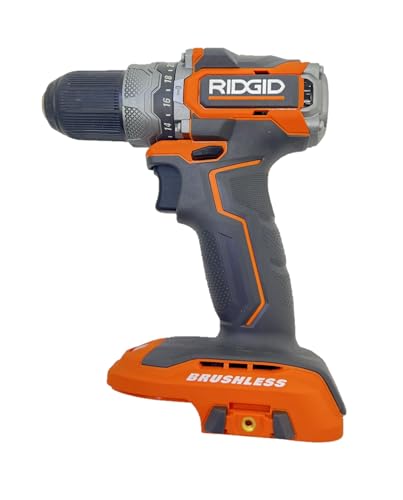
Modern compact drivers solve the headache of arm fatigue during repetitive fastening jobs. Models featuring an ergonomic grip, a responsive variable speed trigger, and a balanced lithium-ion battery pack offer enough continuous torque to drive hundreds of fasteners on a single charge. Look for a drill with a solid keyless chuck mechanism and a dedicated low-RPM gearbox setting to maintain clean control while building or remodeling.


Frequently Asked Questions About Fastening Drills
Why is an adjustable clutch essential when driving screws?
Yes, an adjustable clutch is vital because it disengages the drill motor once a specific resistance level is reached. Setting a lower clutch number prevents the driver bit from stripping fastener heads, shearing threads, or driving screw heads too deep into soft materials. This mechanical slip feature gives you repeatable, uniform depth across every fastener you install.
Can you use a standard drill driver instead of an impact driver for driving screws?
Yes, a standard drill driver works exceptionally well for driving screws, especially when working on delicate joinery or precision cabinetry. While dedicated impact drivers rely on rotational percussive blows for heavy structural lags, a drill driver with adjustable clutch collars provides much gentler, controllable torque. This delicate control prevents fastener cam-out in soft woods before prepping surfaces with a compact detailing sander for final assembly.
What gear speed should you use when driving fasteners?
Low gear is the recommended speed setting for almost all screw driving applications. Dual-range transmissions typically provide a low-RPM band between zero and 400 RPM that maximizes driving torque while maintaining trigger modulation. Operating in high gear increases the risk of bit slippage and stripped fastener heads because the motor rotates too quickly to control manually.
Does a 12V cordless drill have enough torque for household screwing jobs?
Yes, a 12V drill provides ample torque for common household tasks like furniture assembly, hinge installation, and light drywall repairs. Compact 12V platforms typically produce around 180 inch-pounds of torque, which handles wood screws easily while remaining lightweight in hand. For heavy construction framing or driving long structural lag screws, stepping up to a 20V Max platform offers better sustained power.
How does a variable speed trigger help prevent stripped screws?
A variable speed trigger gives you featherlight throttle control to start fasteners slowly and securely. By applying light pressure, you can sink the tip into the pilot hole without the bit wobbling or slipping out of the fastener recess. Once the screw bites into the grain, you can pull the trigger further for full driving speed, then ease off as the screw head seats flush.




Write Your Review
No reviews yet. Be the first to share your experience!