


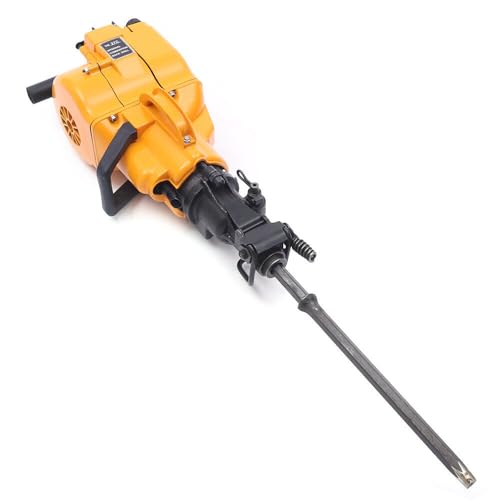
Standard rotary hammers choke and overheat quickly when boring into solid granite, hard basalt, or dense concrete footings. Pushing a lightweight hammer drill past its duty cycle leads to melted carbide tips, agonizingly slow penetration, and arm-numbing vibration. Breaking stubborn ledge or clearing oversized boulders requires serious mechanical force and dedicated gear engineered for raw impact. Based on manufacturer specifications and aggregated user feedback, identifying the best drills for breaking rock means balancing sustained impact energy, high blows per minute, and rugged mechanical transmissions capable of handling heavy rock splitting without seizing under load.
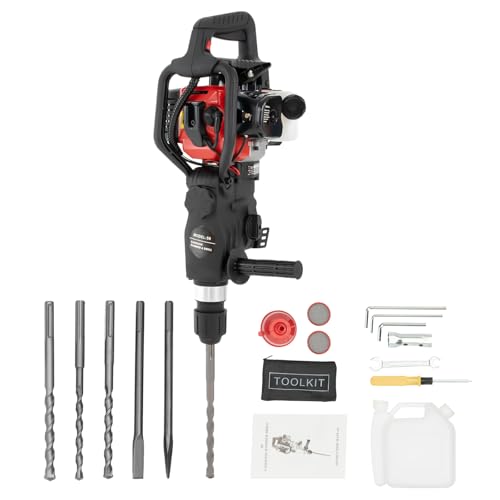
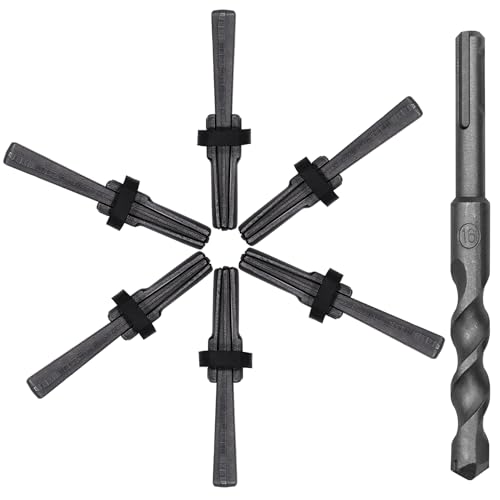
Heavy demolition demands either self-contained gas-powered drilling rigs or high-strength wedge and feather sets driven into precision-drilled boreholes. Gas breakers provide total cordless freedom in remote backcountry locations without dragging generators across rough terrain, while rotary hammer wedge kits harness targeted pressure to crack massive boulders cleanly along fracture lines. Preparing outdoor jobsites often involves multiple phases of landscape clearing, where operators balance heavy masonry excavation alongside finish carpentry or prepping structural siding with the best sander for siding. Careful analysis of impact ratings up to 30 joules and durable carbon steel splitting accessories reveals that matching the tool mechanism to your rock hardness is the key to preventing wasted time and burned-out motors.



Frequently Asked Questions
Can a standard cordless hammer drill break solid rock?
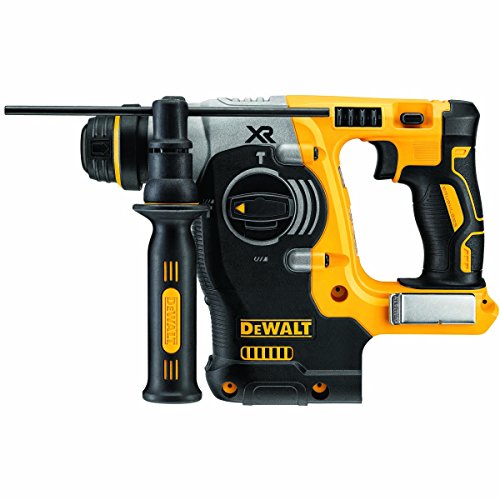
No, standard cordless hammer drills lack the joule impact rating and heavy-duty piston mechanisms needed for solid rock. They work fine for drilling small anchor holes in brick or soft mortar, but dense granite or quartz requires a dedicated rotary hammer or a gas-powered rock breaker. Using a regular drill driver or light hammer drill on boulders leads to burnt-out motor windings and dull drill bits within minutes.
How do rock splitting wedges work with rotary hammer drill bits?
Rock splitting wedges use mechanical lateral force created by tapping a center wedge between two feather shims placed inside a pre-drilled hole. Operators drill a series of straight holes using a 5/8-inch or 9/16-inch rotary hammer bit, insert the shims, and tap each wedge sequentially with a small sledgehammer. The outward expansion creates tremendous tensile stress that cracks massive stone blocks cleanly along the hole line with minimal effort.
What is the advantage of using a gas-powered rock drill over an electric rotary hammer?
Gas-powered rock drills operate completely untethered from extension cords, generators, or rechargeable battery platforms in remote field locations. Models like 2-stroke gasoline breakers deliver high impact energy, often reaching 30 joules with impact frequencies up to 4,000 blows per minute. This self-contained setup makes them ideal for remote trail maintenance, trenching rocky ground, or off-grid construction sites where electrical access is impossible.
What drill bit size is best for splitting boulders with feather shims?
Most standard rock splitting sets require either a 5/8-inch or 9/16-inch rotary hammer drill bit matched precisely to the shim diameter. Using the correct bit diameter ensures the feather shims sit flush against the borehole walls, transferring maximum expanding pressure deep into the rock core. Drilling slightly deeper than the wedge length prevents the center pin from bottoming out before full splitting pressure is achieved.
How do you prevent drill bits from overheating when boring holes in hard stone?
Maintaining lower rotational speed and clearing pulverized stone dust frequently from the borehole prevents heat buildup. Pulling the bit back periodically allows the flutes to eject packed debris, reducing frictional drag against the hole walls. For extended drilling sessions on job sites, alternating tools or pausing to cool carbide tips keeps equipment running smoothly, just as tool management matters when switching between rough masonry and finish tasks like using the best sander for floorboard repairs.
What safety gear is necessary when operating the best drills for breaking rock on 2026 jobsites?
Eye protection, heavy leather work gloves, steel-toe boots, and hearing protection are non-negotiable safety items. High-impact rock drilling and splitting generate sharp stone chips and intense decibel levels from pneumatic or two-stroke gas engines. Wearing a dust mask or respirator also protects lungs from inhaling hazardous silica dust created during dry rock boring.


Write Your Review
No reviews yet. Be the first to share your experience!