


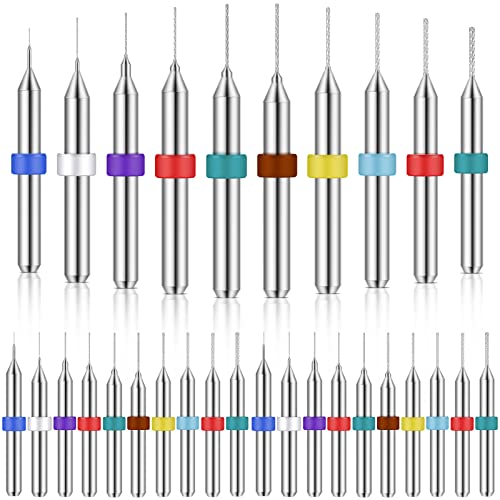
Snapping a fragile micro drill bit inside a tiny brass carburetor jet creates an immediate workshop headache. Delicate pilot jets, emulsion tubes, and small engine fuel passages demand extreme runout accuracy and gentle feed pressure rather than high-speed motor power. Selecting the best drill bit for carb requires evaluating flute sharpness, wire gauge tolerances, and chuck grip so you can clear fuel deposits without reaming orifices oversize. Pairing the right micro twist bit with a stable pin vise keeps brass shavings out of critical passages. Precision workshop gear, much like using precision small area tools for delicate surface finishing, ensures each fuel circuit meters properly.
High-speed steel and tungsten carbide micro drills offer practical advantages when cleaning or resizing stubborn carburetor passages. Rigid tungsten carbide flutes resist flex to shear through baked-on varnish, while high-speed steel wire bits provide slight elasticity to withstand hand wobble. Aggregated user feedback and manufacturer specifications indicate that wire gauge sizes between #60 and #80 deliver the precision required for small engine tuning. Selecting the proper bit diameter protects brass seats and restores reliable idle performance.



Frequently Asked Questions
Can you use a motorized power drill with micro carburetor bits?
No, standard motorized drills rotate too fast and lack the sensitive torque control needed for delicate carburetor jets. High rotational speeds quickly snap micro bits or unintentionally enlarge soft brass passages. Using a manual aluminum pin vise or a precision mini chuck provides the tactile feedback required to clear deposits safely.
What size drill bit is standard for cleaning carburetor pilot jets?
Carburetor pilot jets typically require wire gauge micro bits ranging from size #70 to #80, measuring between 0.0135 and 0.028 inches. The required size depends strictly on factory carburetor jet specifications. Choosing the right best drill bit for carb ensures thorough clearing of clogged fuel passages without widening the calibrated orifice.
Are tungsten carbide micro bits better than high-speed steel for carbs?
Tungsten carbide offers exceptional flute sharpness, but high-speed steel provides more forgiving flexibility during manual pin vise drilling. Carbide maintains rigidity against stubborn carbon crust, yet lateral bending can cause sudden fractures. High-speed steel bits tolerate slight hand movements more safely during delicate fuel jet maintenance in 2026.
How do you prevent tiny micro bits from breaking in brass jets?
Maintain straight axial alignment and apply minimal downward pressure while turning the pin vise. Rotate the tool slowly between your fingers rather than forcing the bit through resistance. A drop of light penetrating lubricant helps float brass debris out of the flutes and prevents bit binding.
Can carburetor micro drill bits handle other workshop tasks?
Yes, wire gauge micro drill sets work well for circuit board repairs, model building, and delicate hardware fabrication. Just as mechanics rely on auto body finishing tools for specialized prep work, micro drill bits provide necessary precision when working with soft metals and plastics.





Write Your Review
No reviews yet. Be the first to share your experience!