


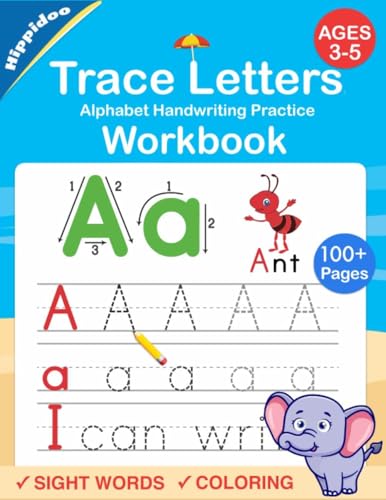
Chuck wobble and bit slippage can turn an otherwise straightforward project into an exercise in pure frustration. Fighting excessive runout or an uneven grip ruins delicate work and wears out your wrists before you finish a single pass. Dialing in steady alignment and clean control makes all the difference, especially when you are searching for the best drills for practicing handwriting to build dependable muscle memory and clean strokes. Based on our detailed comparison of layout designs, stroke progression, and user feedback, structured daily repetition helps eliminate shaky technique over time. You can also explore our guide on using a drill track to see how guided alignment simplifies detailed work.
Consistent muscle engagement demands reliable feedback and a predictable rhythm from start to finish. When you work with clear guides, you develop variable speed control in your hand movements and reduce the fatigue that leads to sloppy results. Manufacturers design these structured workbooks with graduated difficulty, helping you move from basic line tracing to confident lettering. Taking a methodical approach ensures you stay comfortable, steady, and accurate throughout long practice sessions.


Frequently Asked Questions
How do mechanical clutch settings help prevent hand strain during repetitive practice?
Yes, mechanical clutch settings allow you to regulate resistance and avoid overdriving fasteners, much like guided templates prevent excessive grip pressure. Setting lower torque stops screws from stripping delicate surfaces while keeping your grip relaxed. This balanced approach mirrors how the best drills for practicing handwriting in 2026 trains motor memory without tiring out your fingers.
What is the difference between a drill driver and a hammer drill for everyday tasks?
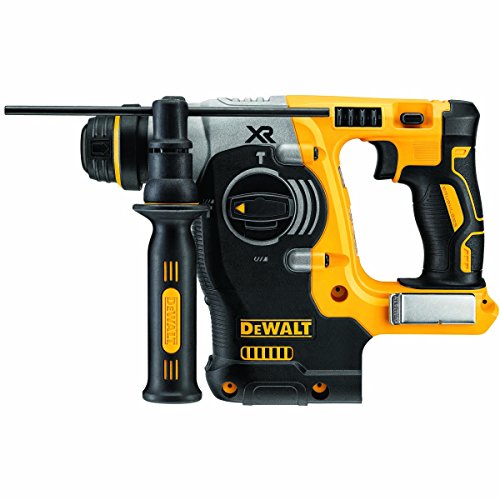
A standard drill driver relies strictly on rotational force, whereas a hammer drill combines rotation with rapid axial blows per minute (BPM) to pulverize brick and stone. Drill drivers excel at driving wood screws and boring clean pilot holes with precise speed control. If you frequently bore into concrete block, using specialized masonry drill bits in hammer mode prevents motor stalling and bit burnout.
Why does a brushless motor provide better runtime efficiency?
Brushless motor systems adjust power draw electronically, eliminating the friction and thermal waste caused by physical carbon brushes. This design delivers higher sustained torque under heavy loads and extends battery runtime per charge. Tools equipped with brushless engineering run cooler during demanding hole saw work and outlast traditional brushed motors over years of workshop use.
How does chuck runout affect accuracy when drilling small pilot holes?
Chuck runout causes noticeable bit wobble, which enlarges entry holes and can snap brittle, small-diameter drill bits. An all-metal ratcheting keyless chuck grips accessories tightly to minimize radial deviation and preserve straight hole paths. For dense materials or metal stock, pairing a true-running chuck with best drill bits for iron ensures clean, drift-free drilling.
Can compact 12V tools deliver enough torque compared to 18V or 20V Max platforms?
Yes, modern 12V compact tools produce plenty of torque for cabinet installation, light framing, and general fasteners. While 18V and 20V Max platforms deliver higher peak power for large hole saws and heavy structural lags, 12V tools offer superior balance and reduced weight overhead. Choosing the right voltage platform depends on whether you prioritize all-day maneuverability or maximum fastening muscle.





Write Your Review
No reviews yet. Be the first to share your experience!