


Tackling tight engine bays, exhaust curves, and spoked motorcycle wheels often turns into an exercise in patience when hand polishing or stubborn vinyl decals stall your progress. Chucking specialized attachments into a steady cordless drill transforms tedious elbow grease into rapid, uniform restoration work without burning through delicate clear coats. Picking the best drill for motorcycle maintenance comes down to matching variable speed trigger control, balanced ergonomic weight, and reliable keyless chuck retention to avoid sudden bit slip on irregular metal parts. Much like prepping sheet metal with a dedicated sander for auto bodywork, running buffing cones and eraser wheels requires consistent rotational control so you do not generate excessive friction heat across aluminum rims or painted fenders.
Careful analysis of motor configurations, clutch settings, and user feedback shows that lower rotational speeds between 1,500 and 3,000 RPM deliver the ideal sweet spot for motorcycle drill accessories. Brushed and brushless drill drivers with sensitive mechanical clutches prevent stripped hardware while providing sufficient sustained torque for buffing wheels, pinstripe erasers, and tight-clearance repairs. A lightweight drill chassis with balanced battery distribution prevents wrist strain during extended wheel polishing sessions, keeping garage maintenance fast and trouble-free.



Frequently Asked Questions About Motorcycle Drills
What rotational speed is best for motorcycle wheel buffing attachments?
Low to medium speeds between 1,500 and 2,500 RPM offer the safest rotational range for polishing cones and cotton wheels. Running a drill at maximum speeds above 3,000 RPM can fling polish compound, scorch aluminum surfaces, and rapidly degrade foam pads. Utilizing a variable speed trigger allows you to ease into tight spoke intersections and motorcycle brake calipers with total control.
Can a standard cordless drill driver damage motorcycle paint when removing vinyl decals?
No, a standard cordless drill driver will not ruin factory paint as long as you keep speeds between 1,500 and 3,000 RPM using a soft rubber eraser wheel. The friction created by medium density rubber lifts old adhesive and pinstriping without scratching cured clear coats. Always avoid pressing too hard on painted plastic fairings or fiberglass panels because localized friction heat can soften delicate coatings.
Why is mechanical clutch control important for motorcycle maintenance?
A sensitive mechanical clutch prevents stripped fastener heads and cracked fairing plastic by disengaging drill drive torque when resistance peaks. Small motorcycle bolts set into aluminum engine cases or composite brackets strip easily under excessive torque. Lowering your clutch collar number ensures the drill ratchets out before over-tightening delicate hardware.
How does a drill buffing kit compare to a dedicated detailing sander for motorcycle bodywork?
Drill buffing kits excel at accessing tight crevices and rounded wheel spokes, whereas a detailing sander for tight spaces handles larger flat fairing panels with uniform orbital motion. Cone-shaped drill attachments spin axially to clean recessed wheel hubs and chrome exhaust manifolds where flat sanding pads cannot reach. Combining both tools gives you complete coverage across intricate motorcycle geometries in 2026.
Do you need a hammer drill mechanism for routine motorcycle garage work?
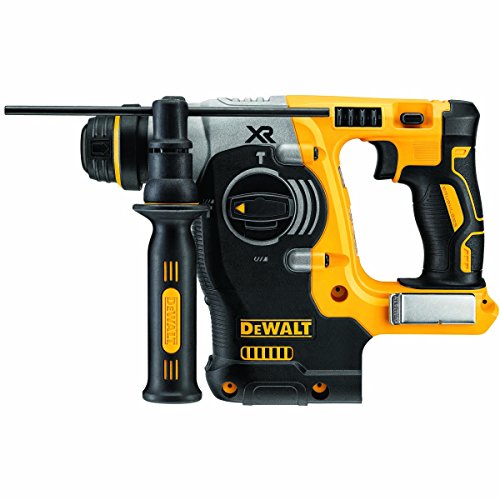
No, hammer drill modes are completely unnecessary for motorcycle repairs and should remain switched off to prevent damaging your machine. Percussion hammer action is engineered strictly for pulverizing concrete and brick masonry, which would shatter motorcycle components or strip threads instantly. For any motorcycle application or accessory kit in 2026, stick to standard rotary drilling and precision drive modes on your best drill for motorcycle.






Write Your Review
No reviews yet. Be the first to share your experience!