


Precision Hole Drilling for Dense Minerals and Lapidary Slabs
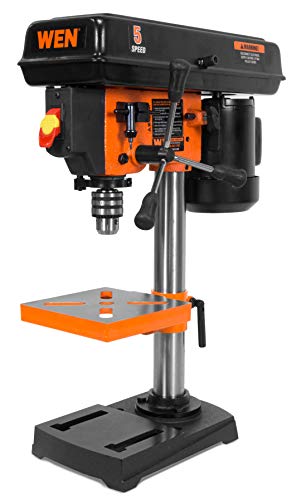
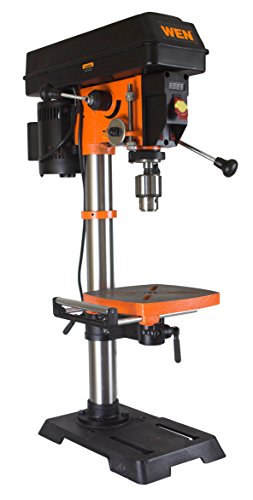
Spindle runout and sudden bit chatter can instantly shatter an expensive agate slab or burn through a diamond core bit. Boring through river rocks, petrified wood, or quartz requires a steady downward feed and exceptionally low chuck wobble that hand drills simply cannot deliver. Securing the best drill press for rock gives lapidary hobbyists and mineral collectors the rigid mechanical stability needed to submerge workpieces in water baths and bore clean cylindrical cores without stalling out. Heavy cast iron bases damp motor vibrations, ensuring diamond hole saws track true from the initial surface score to final breakthrough.
Maintaining sustained low-end torque prevents premature diamond glaze and thermal shock on delicate mineral specimens. Many workshop enthusiasts pair their core drilling setups with a dedicated small area sander to polish rough stone contours once drilling wraps up. Based on manufacturer motor specifications and user feedback across benchtop platforms, adjustable multi-step pulleys and sturdy quill locks provide the exact feed control necessary to protect brittle stones from sudden impact fractures.




Frequently Asked Questions
Can you use a standard benchtop drill press for drilling rocks?
Yes, standard benchtop drill presses work well for stone drilling when equipped with water lubrication and diamond core bits. The fixed quill eliminates lateral bit flex, which prevents chipping around delicate entry points on minerals like jasper or quartz. Running the induction motor on low belt pulley speeds protects diamond-grit hole saws from thermal destruction.
What speed setting works best on a best drill press for rock?
Lower rotational speeds between 600 RPM and 1100 RPM provide the best cutting action for dense rocks. High speeds generate excess friction that rapidly strips electroplated diamond bits and cracks heat-sensitive gemstones. Adjusting the multi-step drive belt to the lowest pulley groove maintains high motor torque while keeping water cool around the cutting channel.
How do you prevent rocks from cracking during the drilling cycle?
Constant water submersion and gentle quill pressure keep stones intact throughout the cut. Clamping the specimen securely in a submerged drill press vise prevents lateral shifting that causes micro-fractures. Frequent pecking motions clear slurry from the kerf, allowing coolant to wash over the bit face continuously.
Which chuck type is best for securing rock drilling bits in 2026?
A keyed chuck offers superior gripping power to prevent bit slippage under constant water exposure. Unlike hand-tightened sleeves, a three-jaw keyed chuck locks diamond burrs and small core drills firmly against the spindle shaft. This tight tolerance reduces radial runout, preserving fine gemstones and prolonging tool life.
Do you need a dedicated lapidary machine or can a best drill press for rock handle stone crafts?
A compact best drill press for rock handles stone crafting effectively at a fraction of the cost of specialized lapidary equipment. The rigid cast iron column and adjustable height table offer plenty of vertical clearance for water containment tubs and clamping fixtures. Once holes are bored for pendants or specimen mounts, workshop creators often turn to a versatile oscillator sander to refine outer profiles before final polishing.
What motor power is necessary for boring dense river rock or granite?
An induction motor rated between 2.3 amps and 6.2 amps provides ample continuous power for rock core drilling. Smaller 2.3-amp to 3.2-amp motors easily handle stones under two inches thick, while larger 6.2-amp platforms drill deeper cores without bogging down. Because stones are drilled slowly with light manual feed pressure, steady spindle rotation matters much more than aggressive horsepower.




Write Your Review
No reviews yet. Be the first to share your experience!