


Drill bit slippage against hardened chromoly or stainless steel can ruin a barrel surface in seconds. Selecting the best drill bit for dimpling barrel setup takes patience because set screw dimples demand pinpoint accuracy, zero chuck runout, and cutting edges that won’t chatter across curved contours. Dimpling jigs help guide the cut, but an unsuitable bit can dull instantly, wander off center, or leave uneven chamfers that prevent gas blocks from locking down under recoil. Solid carbide spade drill bits excel here because their rigid shanks resist flex, letting you spot clean, shallow pockets without cutting past the outer wall.
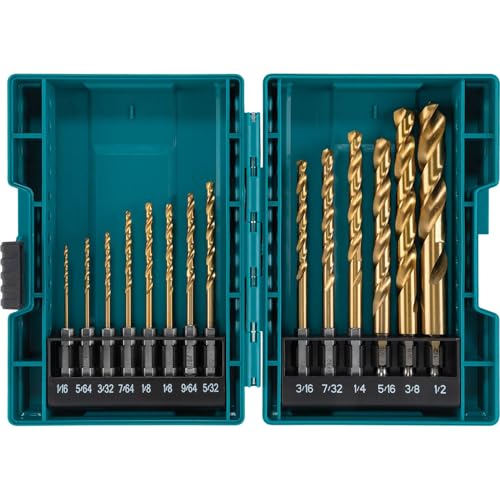
Standard high-speed steel twist drill bits with titanium coatings offer a budget-friendly option for softer materials, but solid carbide tooling remains the standard for tough treated finishes. Workshop setups that handle precision metal shaping alongside gunsmithing often use dedicated tools, much like grabbing a specialized detailing sander for tight spaces to clean up mating surfaces. Careful evaluation of bit angles, flute design, and aggregated machinist feedback reveals that a 118-degree conventional point bites cleanly without penetrating too deep. Controlling your drill press speed and applying steady, moderate quill pressure keeps friction manageable so you don’t overheat the cutting edge.


Frequently Asked Questions About Barrel Dimpling Bits
What drill bit diameter is best for gas block set screws?
A 5/32-inch or 1/8-inch bit typically matches standard gas block set screw points. Most builders prefer an 1/8-inch spade bit because its cutting profile closely mirrors standard cup-point or knurled set screws. Using a matching diameter ensures the screw seats flush into the recess without excessive side play. Checking your gas block screw dimensions before cutting avoids making an oversized recess that weakens retention.
Why are solid carbide spade drill bits preferred for dimpling?
Solid carbide provides superior rigidity and prevents bit deflection on hard steel. Unlike standard spiral bits that can wander on round barrel profiles, a rigid carbide spade drill bit holds its centerline when guided by a dimpling jig. Uncoated carbide also tolerates the high heat generated by machining hardened, melonited, or nitrided barrel steel. This rigidity prevents wandering that could otherwise mar adjacent metal.
Can you dimple a barrel with a variable speed handheld drill?
Yes, but you must pair the handheld drill with a secure dimpling jig. Freehand drilling on a curved steel barrel almost always results in bit chatter, scratched finishes, or misaligned gas ports. A variable speed drill driver operating at low RPM gives you enough trigger modulation to cut cleanly without aggressive grab. If you ever need to clean up adjacent metal or refinish surrounding parts, tools like a dual-action sander for auto body paint prep show how controlled abrasion keeps surfaces even.
Do titanium-coated HSS twist drill bits work on hardened barrels?
No, standard high-speed steel twist drill bits usually dull quickly on modern nitrided barrel finishes. Salt bath nitriding creates a case-hardened surface layer that quickly rounds off the cutting lips of HSS tooling. While titanium coatings improve lubricity, they rarely survive sustained friction against treated steel. Choosing solid carbide spade bits guarantees cleaner cuts through stubborn exterior coatings without melting the tip.
How deep should you drill the set screw dimple?
Aim for a shallow depth between 0.020 and 0.040 inches. You only need a subtle pocket for the set screw nose to lock into place mechanically. Drilling too deep risks compromising the barrel wall thickness or disturbing bore concentricity. Setting a mechanical drill stop collar or carefully measuring quill travel ensures you never over-penetrate the metal.
How does point angle affect the stability of the best drill bit for dimpling barrel?
A 118-degree conventional point provides the right conical profile for gas block set screws to seat firmly. This geometry creates a shallow cone that accepts standard cup-point screws without requiring excessive depth. Flatter angles also reduce lateral cutting pressure, ensuring the tool tracks straight down into the dimpling jig sleeve. Maintaining low rotational speed and applying light cutting fluid keeps the cutting lips sharp throughout the job.




Write Your Review
No reviews yet. Be the first to share your experience!