


Drill bit wandering across a hardened steel receiver or front trunnion ruins an entire build within seconds. Building an AK platform from a flat or parts kit demands dead-on perpendicular alignment and rigid quill stability to set rivets and barrel pins cleanly. Handheld drills simply introduce too much chuck wobble, resulting in egg-shaped receiver holes that compromise headspace and structural integrity. Selecting the best drill press for ak building requires examining spindle runout, rigid cast iron frames, and slow motor speeds that chew through heat-treated alloy without burning out cutting edges. Aggregated workshop feedback and detailed motor specs show that heavy table assemblies and smooth quill feed prevent broken bits during tricky trunnion operations.
Precise metal fabrication demands dependable torque at lower pulley ratios, keeping high-speed steel drill bits cool while preserving receiver jigs. Just as custom stock fitting benefits from a versatile oscillator sander for woodworking, boring tough trunnion holes calls for disciplined control and steady downward feed pressure. Keyless chucks often slip under heavy thrust, but keyed designs deliver the necessary clamping bite for reamers and center drills. Choosing a dependable benchtop model protects your investment in parts kits and ensures clean, repeatable pin holes from start to finish.



Frequently Asked Questions
What spindle speed works best for drilling AK receivers and trunnions?
Low speeds between 500 RPM and 750 RPM work best for drilling heat-treated AK receivers and front trunnions. Running high spindle speeds generates excessive friction, which quickly dulls drill bits and work-hardens tough firearm steel. Setting your benchtop drill press pulleys to the lowest available RPM keeps cutting temperatures down while maintaining sufficient motor torque.
Why is minimal spindle runout essential for the Best Drill Press For Ak Building?
Minimal spindle runout prevents drill bits from wandering, ensuring rivet and barrel pin holes remain perfectly round and accurately positioned. Excess quill wobble creates oversized or oval holes, which loosen trunnion rivets and ruin headspace tolerances. A rigid cast iron column and tight quill bearings provide the true centerline needed for precise firearm assembly.
Can an 8-inch benchtop drill press handle AK receiver drilling?
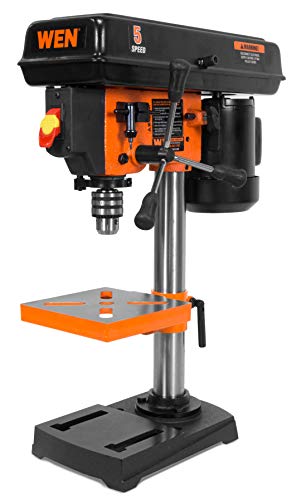
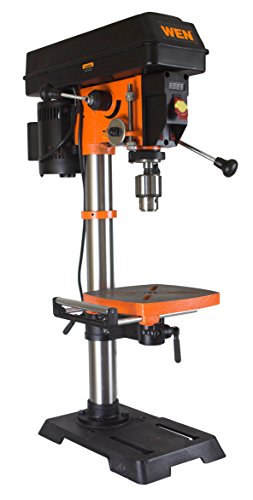
Yes, an 8-inch benchtop drill press offers enough throat depth for standard AK receiver flats and trunnion holes. Models like the VEVOR 8-inch or WEN 4206T provide roughly 2 inches of spindle travel, which easily clears receiver sheet metal and cross pins. Just ensure your clamping vise fits securely onto the worktable without binding against the center column.
Should I use a keyed chuck or a keyless chuck for drilling firearm steel?
A keyed chuck is strongly recommended for drilling tough firearm components. Keyed chuck jaws grip drill shanks and reamers with higher mechanical locking force, preventing the bit from spinning inside the chuck under heavy downfeed pressure. This eliminates sudden bit slippage that can mar your receiver or damage expensive carbide tooling.
How do I finish rough receiver edges after drilling holes on a Best Drill Press For Ak Building in 2026?
Deburring holes and smoothing sharp edges requires light filing followed by fine abrasive pads or a compact detailing sander for tight spaces. Clean hole perimeters prevent stress cracks from forming around rivet heads during riveting operations. Taking the time to deburr each pass ensures clean rivet seating and a professional build finish.




Write Your Review
No reviews yet. Be the first to share your experience!