


Eliminating Tailstock Runout and Chuck Wobble on Wood Lathes
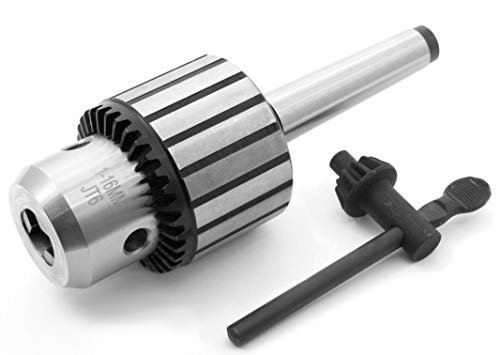
Drill bit wobble ruins delicate workpiece centers and turns simple pen blank boring into pure shop frustration. When an off-center taper causes severe runout, you risk tearing out expensive figured timber before turning even begins. Mounting the best drill chuck for wood lathe operations fixes this alignment headache by locking straight into your headstock or tailstock spindle. High clamping grip strength keeps heavy-duty Forstner bits and slender pen mandrels spinning dead true without slipping under load. After smoothing turned blanks with an oscillator sander for woodworking, having rigid boring tooling makes all the difference in your final fit and finish.
Morse taper compatibility dictates exactly how well your chuck seats into the lathe bore. Based on manufacturer specifications and turner feedback, matching an MT1 or MT2 arbor taper to your specific machine ensures vibration-free drilling and reliable holding torque. Heavy alloy steel chuck bodies withstand repeated tightening cycles without stripped teeth or jaw distortion. Whether you need a keyed model for maximum mechanical bite or a quick keyless setup for fast bit swaps, reliable tailstock alignment protects your workpieces from deep gouges.



Frequently Asked Questions
Can you install the Best Drill Chuck For Wood Lathe in either the headstock or the tailstock?
Yes, you can install an MT2 or MT1 chuck into either the headstock spindle or the tailstock quill, provided the Morse taper sizes match. Mounting in the tailstock allows you to bore centered holes into rotating blanks clamped in your headstock. When chucking accessories into the headstock, using an arbor with internal drawbar threading ensures the taper remains locked securely without working loose under lateral vibration.
What is the difference between an MT1 and an MT2 drill chuck arbor?
The primary difference lies in the diameter and taper angle of the Morse taper shank. An MT1 arbor features a smaller taper diameter designed for mini lathes like the WEN LA136K setup, while an MT2 arbor has a thicker taper suited for standard mid-sized and full-sized lathes. Always verify your lathe spindle and tailstock quill taper size before purchasing to prevent severe fitting mismatch and arbor wobble.
Is a keyed chuck better than a keyless chuck for wood lathe drilling in 2026?
Keyed chucks offer higher mechanical clamping torque for large Forstner bits, while keyless models provide faster bit swaps. A geared key allows you to apply extra leverage across all three jaws, which prevents bit slippage when hogging out dense hardwood bowls. However, precision keyless chucks save significant time during multi-step pen turning or dowel drilling where tool changes happen constantly.
How do you securely seat a Morse taper drill chuck into your lathe?
Seating a Morse taper requires wiping the arbor and spindle socket completely clean of wood dust before tapping it lightly into place with a rubber mallet. Never hammer steel components with a metal mallet because that can mushroom the arbor tang or misalign the internal bearings. Once seated firmly, the friction fit holds the chuck rigidly in place under forward tailstock quill feed pressure.
Why does a drill chuck arbor slip or spin inside the lathe tailstock quill?
Arbor slippage occurs when oily grime, sawdust, or internal burrs prevent the tapered surfaces from making full metal-to-metal contact. Excessive feeding force with large-diameter bits can also break the friction bond if you fail to advance the tailstock steadily. Keeping the taper surfaces clean and pairing delicate turned projects with a detailing sander for tight spaces ensures both clean boring and immaculate surface finishes in your workshop.






Write Your Review
No reviews yet. Be the first to share your experience!