


Fierce friction heat and dulling cutting edges happen fast when boring into tough chromoly alloys. Standard high-speed steel bits instantly glaze over, generating smoke and leaving you with ruined workpieces. Penetrating dense chromium-molybdenum stock demands sustained drilling torque, rigid chuck grip, and superior thermal endurance. Selecting the best drill bit to drill 4150 steel requires materials like cobalt M35 or M42 that retain hardness under extreme friction. Pairing these cutters with a rigid drill press or a heavy-duty drill driver ensures you get clean holes without destroying your tooling.
Aggressive metal fabrication often exposes the limits of cheap cutters and weak drill chucks. If you routinely prep metal parts alongside automotive finishing using a da sander for bodywork, you know how crucial thermal management is. High-grade cobalt twist drills and heavy-duty reduced shank cutters maintain their cutting edges because they resist heat buildup. Our review of manufacturer specifications, web thickness dimensions, and verified metalworker feedback highlights reliable options that handle hardened alloy steels smoothly.



Frequently Asked Questions
What core material makes the Best Drill Bit To Drill 4150 Steel?
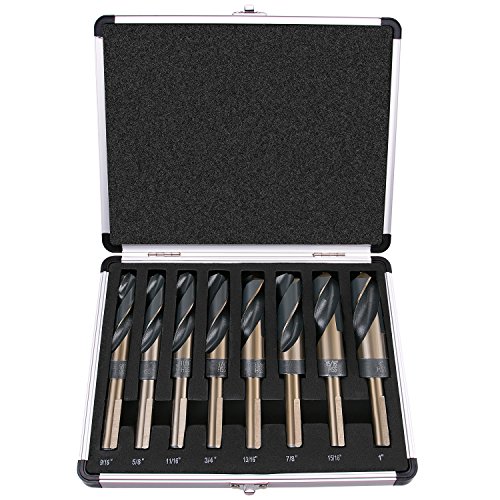
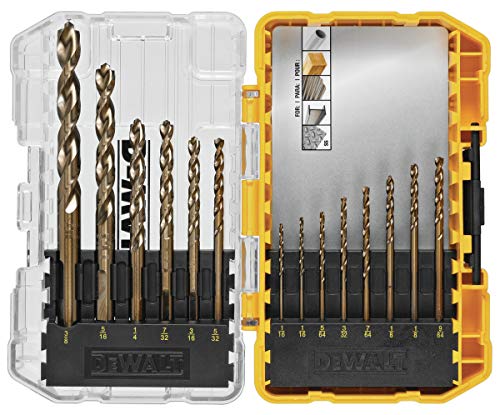
Cobalt alloy steel, specifically M35 or M42 grade, represents the optimal choice. These alloys incorporate 5% to 8% cobalt content into high-speed steel, significantly boosting red hardness and thermal tolerance under sustained friction. While standard drill bits soften and lose their edge when metal temperatures climb, cobalt retains its cutting edge against abrasion. Premium options like the BOSCH M42 set provide the resilience needed to cut through stubborn alloy steels without dulling prematurely.
Can standard black oxide HSS bits penetrate 4150 steel?
No, standard black oxide high-speed steel bits will generally burn out or dull immediately against 4150 steel. The chromium and molybdenum content in 4150 steel creates tough carbide structures that generate intense heat at the cut interface. Standard steel bits lose their temper quickly, causing cutting lips to round over within seconds. Utilizing the Best Drill Bit To Drill 4150 Steel made with solid cobalt ensures the bit survives aggressive cutting forces.
Why is cutting fluid critical when using the Best Drill Bit To Drill 4150 Steel in 2026?
Cutting fluid cools the workpiece interface and evacuates chips to prevent thermal work hardening. Applying dedicated metal cutting oil reduces friction, which preserves cutting lips and keeps the drill motor from overheating under heavy load. Without lubricant, friction heat can harden the 4150 surface locally, making further penetration nearly impossible. Consistent lubrication extends tool life across demanding metal fabrication tasks.
What drill RPM settings prevent bit burn-out on 4150 steel?
Slow rotational speed combined with steady, firm downward pressure yields the cleanest results. Running a drill driver or drill press between 250 and 600 RPM depending on bit diameter prevents excessive peripheral cutting speed and heat generation. High speeds generate rapid thermal degradation, ruining sharp cutting edges. Setting a dual-speed power drill to its low-gear, high-torque setting allows the flutes to peel continuous metal chips smoothly.
How does a 135-degree split point improve drilling in hardened steel?
A 135-degree split point starts cutting immediately on contact and eliminates bit wandering. The flatter angle bites into tough metals without skating across the surface, reducing the need for aggressive center punching. It also requires less thrust force compared to a conventional 118-degree point, which reduces stress on your drill chuck and motor gearbox. Refining burrs on tight metal parts afterward with a detailing sander for tight spaces completes the job accurately.
Can a handheld cordless drill handle drilling 4150 steel?
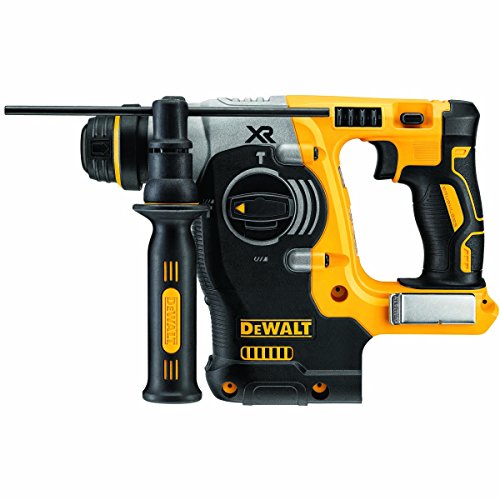
Yes, a handheld cordless drill can bore into 4150 steel if it delivers steady low-speed torque and rigid chuck gripping. Using a drill with an all-metal 1/2-inch ratcheting chuck prevents bit slippage during high-resistance metal cutting. You must maintain firm, perpendicular pressure to avoid snapping smaller diameter cobalt bits, which tend to be brittle. For larger holes over 3/8-inch, stepping up pilot hole sizes makes handheld drilling substantially easier and safer.




Write Your Review
No reviews yet. Be the first to share your experience!