


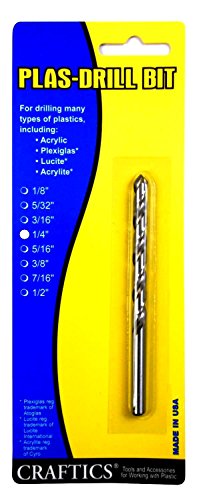
Wrist-wrenching bit bind-ups and spiderweb fractures can ruin an expensive polycarbonate sheet in a fraction of a second. Standard metal twist bits feature aggressive cutting rake angles that pull themselves right into plastic stock, grabbing the edge and shattering brittle workpieces instead of shaving away clean material. Operating a handheld drill or benchtop press with standard tooling turns custom fabrication into pure frustration. Securing the best drill bit for lexan changes everything by altering point geometry to prevent sudden bites and eliminate ugly heat buildup. High friction often turns clear thermoplastic into gummy, melted burrs around hole perimeters, so picking a bit with modified rake angles and generous flute clearance delivers glass-smooth boreholes. Workshop enthusiasts prepping custom enclosures often smooth edges with a detailing sander, but clean drilling starts right at the cut.
Careful inspection of commercial shop data and product specifications reveals that dedicated plastic tooling makes all the difference. Leading designs rely on specialized 60-degree to 90-degree modified points rather than standard 118-degree tips. These modified profiles scrape away polycarbonate chips cleanly without snagging on breakthrough. Pairing these engineered bits with smooth variable speed triggers and rigid chucks ensures low runout and spot-on accuracy across every panel.




Essential Questions About Drilling Lexan and Plastics
Why do standard metal drill bits crack Lexan sheet stock?
Standard metal bits use an aggressive cutting angle designed to gouge into steel, which causes them to grab and fracture brittle thermoplastics. Instead of peeling thin shavings, normal twist flutes pull themselves violently into the material, creating stress fractures along the perimeter. Using a bit designed for plastics prevents this grab effect by incorporating a flatter, scraping rake angle.
Can you use high drill motor RPM when boring through polycarbonate?
No, high drill speeds generate excessive thermal friction that quickly melts plastic edges. Keeping your variable speed trigger set to low or moderate RPM allows chips to eject cleanly without welding back onto the bit flute. Excessive heat also causes crazing and cloudiness around hole openings.
What makes the best drill bit for lexan different from standard metal bits in 2026?
Dedicated bits feature modified tip geometries, typically ground to a steep angle that scrapes rather than slices material. This specialized shape reduces feed pressure requirements, minimizes torque bind-up, and prevents edge blowout during sheet penetration. Choosing the best drill bit for lexan in 2026 ensures clean boreholes without micro-cracks compromising structural integrity.
Does a drill press perform better than a cordless hand drill for Lexan?
Yes, a drill press provides rigid quill alignment and steady feed pressure that dramatically cuts down chuck wobble. While handheld drills work fine for light fabrication, mechanical table setups eliminate lateral bit deflection that causes oval holes or chipped edges. Fabricators shaping sheet stock alongside an oscillator sander often rely on fixed drill press tables for maximum hole symmetry.
How do you prevent blowout on the exit side of plastic panels?
Clamping a scrap piece of hardwood or dense plastic directly behind your workpiece provides essential zero-clearance support. As the drill tip breaches the rear surface, the backing scrap prevents the material from flexing outward and fracturing. Backing off your trigger pressure right as the bit breaks through also ensures a sharp, clean rim.
Should you use coolant or lubricant when cutting through thick polycarbonate?
Water or a mild soapy water solution helps control heat buildup during deep boring in thick sheets, but standard chemical oils must be avoided. Petroleum-based lubricants can chemically attack Lexan, causing instant clouding and stress crazing. For thin stock up to a quarter-inch, light pressure and frequent bit clearing eliminate the need for liquid coolants altogether.





Write Your Review
No reviews yet. Be the first to share your experience!