


Essential Leg Protection for Serious Woodcutting
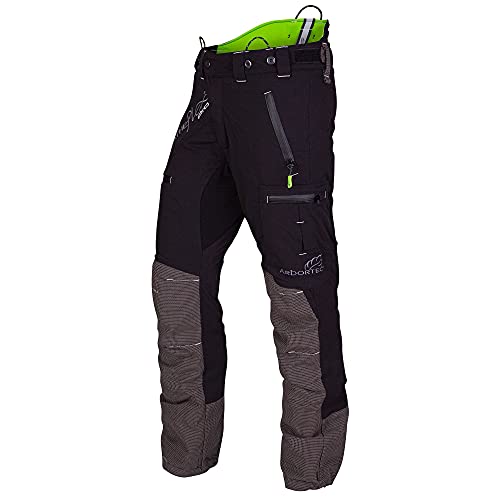
Kickback risks on thick limbs and accidental bar slips happen in seconds when you cut through dense, fallen timber. High chain speeds leave zero margin for operator error, especially when a bucking spike catches awkward wood grain or brush binds the bar tip. Equipping yourself with the best chainsaw pants provides an essential safety barrier designed to clog high-speed drive links and stop a spinning loop instantly. Proper gear maintenance and knowing how to hang a pole saw on the wall can keep your cutting station organized and ready for safe yard work.
Long hours behind a gas powerhead demand apparel that balances rugged cut protection with real mobility and heat management. Heavy fabrics without proper rear leg ventilation quickly trap heat and increase operator fatigue. Modern protective trousers solve this dilemma by incorporating lightweight Dyneema, reinforced Kevlar knee panels, and flexible crotch gussets. Based on our detailed evaluation of shell materials, safety certifications like ASTM F1897, and user feedback, selecting the right pair helps you tackle storm cleanup and firewood processing safely.



Frequently Asked Questions About Chainsaw Pants
How do protective fibers in chainsaw pants stop a high-speed chain?
Protective fibers instantly tangle in the drive sprocket to stall the saw loop before it cuts into skin. Multi-layered ballistic fabrics like Kevlar or Dyneema pull into the drive links upon contact. These loose filaments jam the sprocket and trigger the inertia chain brake, stopping rotation in milliseconds.
Are the best chainsaw pants suitable for hot weather forestry work?
Yes, many quality pairs feature zippered rear vents and breathable fabrics built for warm workdays. Breathable mesh backing helps release trapped heat during heavy limb bucking. Pairing cooler safety gear with efficient firewood cutting tools, such as the best saw for cant cuts, keeps operator fatigue low during extended shifts.
What safety standards should you look for when buying chainsaw trousers in 2026?
Look for garments certified under ASTM F1897, ASTM F3325, or UL standards that meet OSHA regulation 1910-266. These ratings confirm the apparel offers verified cut resistance against running chains. ANSI Z133.1 compliance is also beneficial for tree care specialists and arborist work.
What is the difference between Class A protection and wrap-around coverage?
Class A coverage protects the front of your legs from the waistline down to the ankle where most kickback slips occur. Wrap-around designs add 360-degree lower calf protection to guard against snagging from behind. Operators cutting brush or working around dense limbs often prefer complete calf coverage.
Do chainsaw pants protect against battery-powered cordless chainsaws?
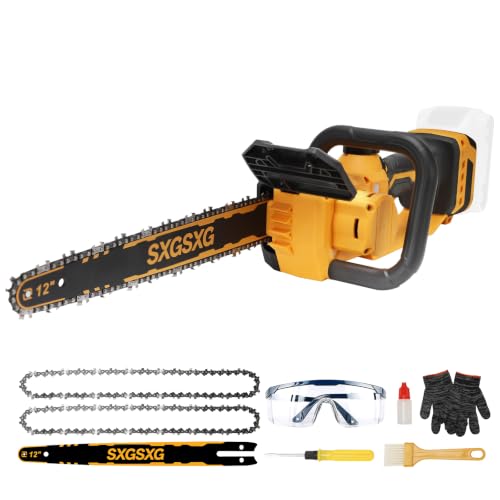
Yes, but high-torque electric motors present distinct cutting characteristics compared to gas powerheads. Constant electric torque can stress fibers differently than a clutching 2-stroke engine, but multi-layer cut-arrest systems still provide crucial resistance and stopping capability to prevent deep lacerations.




Write Your Review
No reviews yet. Be the first to share your experience!