


Restoring Two-Stroke Engine Compression and Power
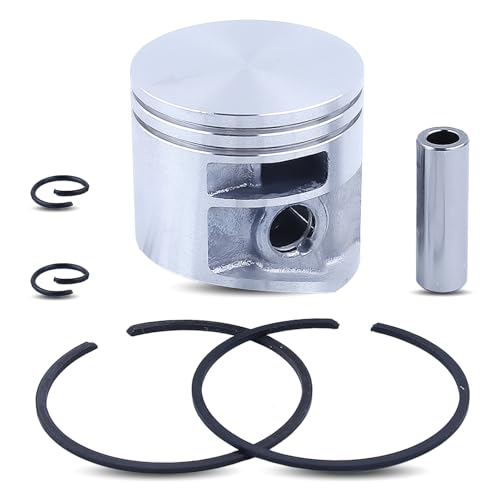
Sudden power loss while bucking dense hardwood logs usually points to a tired cylinder that cannot hold pressure anymore. Pulling the starter cord feels effortless because the piston slips right through the stroke without building true resistance. When your saw bogs down in mid-cut or stalls out entirely under moderate load, learning how to replace piston rings on chainsaw powerheads is the most cost-effective way to restore snappy throttle response. High cylinder temperatures and hours of demanding work naturally degrade tension across the ring gap, allowing combustion blow-by that steals rotational torque from your guide bar.
Pairing fresh rings with a reliable cylinder compression tool brings back the crisp, aggressive bite needed for bucking firewood cords or felling storm-damaged timber. Proper cylinder preparation and careful end-gap inspection keep two-stroke powerheads running smoothly without chewing through extra fuel. If you frequently prep timber alongside workshop tasks with a heavy-duty drill for wood projects, maintaining sharp compression tolerances on your saw keeps the whole firewood rotation moving smoothly. Rebuilding your top end with correct ring sizing preserves crankcase integrity and helps your saw maintain maximum chain speed under heavy loads.




Frequently Asked Questions
How do you know when it is time to replace piston rings on chainsaw engines?
A noticeable drop below 110 PSI on a compression gauge indicates worn rings that need replacement. When rings wear thin, you will experience hard warm starts, engine bogging under bucking load, and a starter cord that pulls with almost no physical resistance. Carbon blow-by staining the piston skirt beneath the ring lands confirms that combustion gases are escaping past the seal.
Do you need a piston ring compressor tool to install new rings?
Yes, a dedicated ring band compressor or small-engine clamp tool prevents accidental ring breakage during cylinder reassembly. Piston rings are made from brittle cast iron or ductile steel that snaps easily if forced at an uneven angle into the cylinder chamfer. Compressing the ring squarely over the locating pin ensures the piston slides smoothly into the bore without scratching cylinder walls.
Why must the ring gap align with the locating pin during installation?
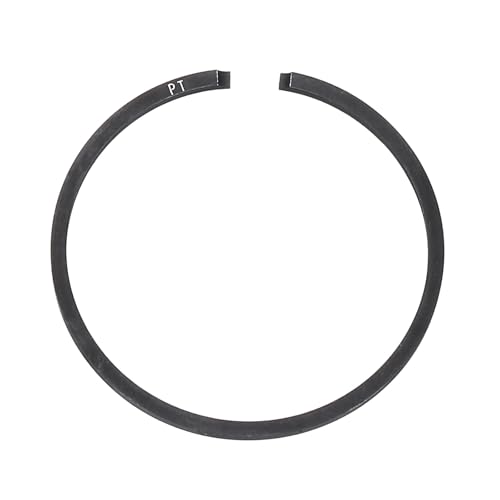
Two-stroke chainsaw cylinders feature intake and exhaust ports that snag unpinned ring ends, causing catastrophic engine seizure. The tiny locating pin inside the piston groove holds the ring end gap in place so it rides across solid cylinder wall rather than opening over an open port window. Failing to align the gap over this pin will immediately bend or break the ring as soon as the cylinder slides down.
What ring end gap clearance is acceptable for small 2-cycle engines?
A standard end gap between 0.008 and 0.015 inches provides adequate clearance for thermal expansion in 2026 saws. Inserting the ring into the clean cylinder bore and squaring it with the piston crown allows you to measure this gap using a flat feeler gauge. If you also build or fabricate custom tools using a versatile drill for steel maintenance in your workshop, you know how crucial precise metal tolerances are for preventing heat seizure.
Is it necessary to hone the cylinder before fitting new piston rings?
No, small chainsaw cylinders with chrome or Nikasil platings should not receive abrasive cross-hatch honing. Abrasive stones can strip thin hard-coat plating and ruin the cylinder barrel permanently. Lightly scrubbing the bore with a Scotch-Brite pad and warm soapy water removes leftover transfer and glaze, allowing the new ring to seat cleanly against the plated surface.



Write Your Review
No reviews yet. Be the first to share your experience!