


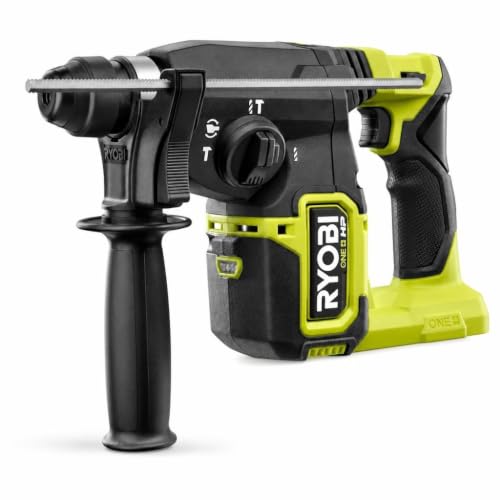
Striking dense masonry or boring deep pilot holes into stubborn framing lumber often exposes the limits of an ordinary drill driver. Weak percussion mechanisms choke on concrete foundation blocks, while slippery chuck jaws drop round-shank bits right in the middle of a heavy pass. Rigorous jobsite demands quickly separate capable tools from underpowered gear, which brings us to this ryobi p213 one hammer drill review. Evaluating balanced sustained torque delivery, all-metal ratcheting chucks, and responsive variable-speed triggers clarifies how well an 18V system handles tough fastening tasks. Many builders also weigh dedicated hammer drills against a versatile drill driver impact combo to streamline their daily workflow without swapping tools constantly.
Brushless motor architectures dramatically improve energy transfer, keeping tool bodies cooler during sustained lag screw driving and heavy hole-saw operations. Modern brushless power tools draw power efficiently from compact lithium-ion packs, preventing sudden shutdowns when you can’t afford mid-job delays. A finely tuned mechanical clutch prevents stripped screw heads when working with delicate cabinetry or dense composite decking. Based on product specifications and user feedback across the ONE+ platform, matching the right battery amp-hour rating ensures optimal balance without inducing wrist fatigue. This guide highlights key ergonomic factors, motor efficiency, and percussion capabilities so you can buy with confidence.


Frequently Asked Questions
What is the main difference between a standard drill driver and a hammer drill?
Direct Answer: Hammer drills feature a dedicated percussion mechanism that pulses the chuck forward while rotating, whereas drill drivers rely solely on rotational force. This rapid percussive action pulverizes concrete, brick, and mortar efficiently. Standard drill drivers excel at driving screws and boring clean holes in wood or plastic so it won’t fracture the workpiece.
Can you use a cordless hammer drill to bore through structural steel?
Direct Answer: Yes, an 18V hammer drill cuts through metal effectively when set to rotary-only mode with percussion disengaged. Hammering action should never be turned on during metalwork so it doesn’t chip cutting flutes instantly. Using low RPM with a dedicated drill bit for steel beam drilling ensures clean chip clearance without overheating.
How does brushless motor technology improve hammer drill performance in 2026?
Direct Answer: Brushless motors eliminate friction-generating carbon brushes, resulting in cooler operation and longer battery runtime per charge. Electronic controls automatically adjust power delivery based on resistance, maintaining consistent torque during heavy hole-saw drilling. This design extends overall motor life and reduces the risk of thermal overload on demanding jobs.
How do you prevent drilling too deep into masonry walls?
Direct Answer: Installing a dedicated drill bit depth stop provides a rigid physical barrier that prevents over-drilling into hidden utility lines. Depth stops lock firmly onto the drill bit shank to halt forward progress at your exact preset measurement. This setup ensures consistent anchor depths when driving masonry fasteners into foundation blocks.
Does battery amp-hour (Ah) capacity affect drilling power in this ryobi p213 one hammer drill review?
Direct Answer: Yes, higher amp-hour batteries deliver higher sustained current under heavy loads alongside extended runtime. Packs with 4.0Ah or higher capacities reduce voltage sag, allowing the motor to maintain peak torque through tough lumber knots or dense masonry. However, larger packs add tool weight, making pack selection a balance between runtime and comfort.




Write Your Review
No reviews yet. Be the first to share your experience!