


Conquering Tough Masonry and Framing Demands
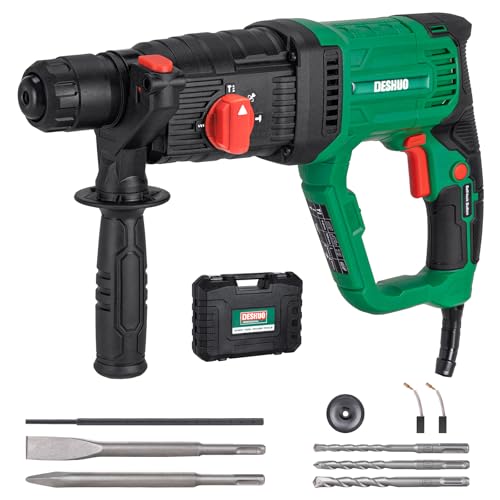
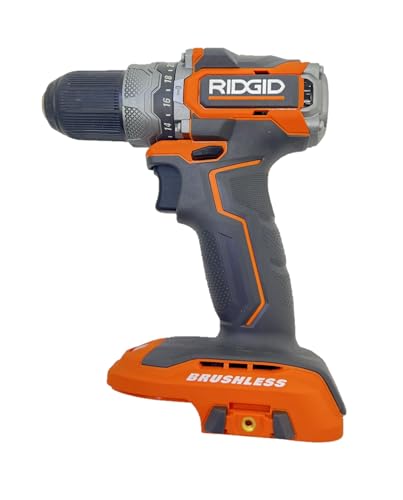
Drill stalling out halfway through thick hardwood or weak percussion mechanisms struggling to drill tapcon holes in concrete can quickly halt a workday. Selecting the right rotary power tool protects your wrists from violent kickback and keeps motors from overheating. When evaluating hammer drill vs drill capabilities, matching sustained torque and chuck mechanisms to your workload is essential. Standard drill drivers excel at boring clean holes through lumber and assembling cabinetry, especially when backed by a versatile drill driver impact combo. Masonry tasks, on the other hand, require rapid percussive blows to shatter aggregate without burning bits.
Based on our detailed comparison of motor types, clutch settings, and user feedback, modern brushless tools provide incredible jobsite adaptability. Heavy-duty units offer all-metal ratcheting chucks, multi-speed transmissions, and electronic anti-rotation safety brakes that prevent severe wrist sprains when large hole saws bind. Factoring in bare tool weight, blows per minute, and battery platform compatibility ensures you invest in dependable power.




Frequently Asked Questions About Hammer Drill Vs Drill
Can a standard drill driver bore holes into poured concrete?
No, a standard drill driver lacks the percussive mechanism needed to pulverize tough aggregate. Forcing a standard rotary drill into cured concrete generates excessive heat that dulls carbide tips and risks burning out the motor. A dedicated hammer mechanism delivers thousands of blows per minute to break the stone as the flutes clear dust.
What is the main difference between a hammer drill and an SDS rotary hammer?
The percussion mechanism creates the core distinction between these tools. Standard hammer drills use spinning cam discs that click against each other for light brick or mortar drilling. Dedicated SDS-plus rotary hammers utilize a pneumatic air piston that delivers heavy impact energy measured in joules, ideal for structural concrete and demolition chiseling.
How do anti-rotation systems protect you during heavy drilling?
Anti-rotation systems employ internal sensors to cut motor power immediately if a drill bit binds unexpectedly. High-torque applications with large augers or hole saws can violently jerk the tool housing and sprain wrists. This electronic safety brake stops rotation instantly, keeping you in complete control.
How do you control hole depth when setting masonry anchors?
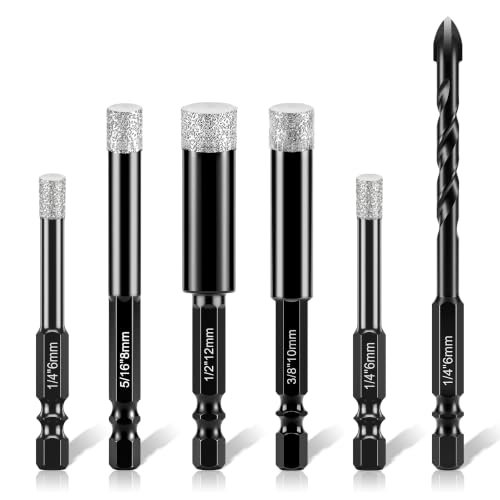
Using an integrated depth gauge rod or a clamping drill bit depth stop ensures consistent hole depth. Precise depth control prevents over-drilling into hollow blocks or hitting buried electrical conduits while securing tapcon screws. These collar stops lock tightly onto the drill bit shank to eliminate depth drift.
Is a brushless motor worth it for a hammer drill in 2026?
Yes, brushless motors deliver higher sustained torque, longer battery runtime, and extended tool life. By eliminating physical carbon brushes, these electronically managed motors avoid overheating under demanding continuous loads. You get more holes drilled per battery charge and lower overall tool maintenance.


Write Your Review
No reviews yet. Be the first to share your experience!