


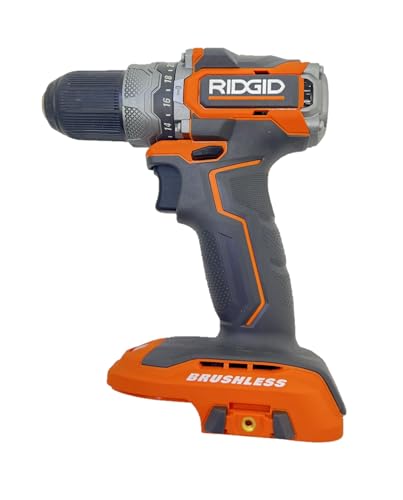
Boring through tough poured concrete foundation blocks or driving wide masonry screws often exposes the limits of standard cordless tools. Traditional brushed drills tend to heat up quickly under continuous load, draining battery packs before the job is finished. Getting reliable percussion energy and consistent rotational speed requires an efficient motor architecture that minimizes thermal stress. In this craftsman v20 brushless hammer drill review, we explore how modern brushless motors provide sustained torque delivery, better battery efficiency, and cooler operating temperatures across demanding residential drilling tasks. Whether you need a standalone hammer drill or a versatile drill driver impact combo, matching tool output to your project scope keeps work moving smoothly.
Tool balance and gripping security make an enormous difference when wrestling dense framing lumber or drilling anchor holes into masonry. A sturdy 1/2-inch keyless chuck prevents annoying bit slippage, while responsive mechanical clutch settings safeguard delicate fasteners from snapping under heavy rotational load. Based on manufacturer specifications and aggregated feedback from tradespeople and DIYers, the V20 cordless lineup delivers dependable utility for shop and jobsite routines. Selecting the right setup ensures ample runtime, steady percussion per minute, and comfortable handling without unnecessary tool weight dragging down your progress.


Frequently Asked Questions
What makes a brushless hammer drill better than a brushed model in 2026?
Brushless hammer drills offer significantly greater motor efficiency, longer runtime per battery charge, and increased tool life compared to brushed motors. Because brushless motors lack friction-generating carbon brushes, they produce less internal heat under heavy drilling loads. User feedback and technical specifications show that models highlighted in this Craftsman V20 Brushless Hammer Drill Review deliver higher sustained speed during tough masonry or hardwood drilling tasks.
Can the CRAFTSMAN V20 hammer drill handle drilling into solid concrete?
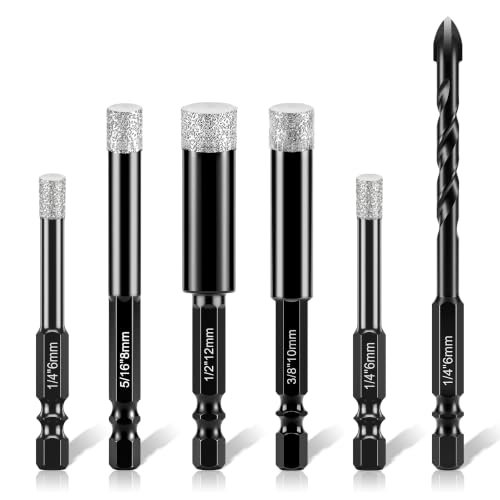
Yes, the CRAFTSMAN V20 hammer drill handles drilling into concrete, brick, and mortar when equipped with standard masonry bits. The tool uses an internal percussion mechanism that delivers thousands of blows per minute to pulverize stone material while rotating. For repetitive anchor installations, pairing the drill with a reliable drill bit depth stop ensures uniform hole depths without over-drilling into foundation walls.
What is the primary difference between a hammer drill and an SDS rotary hammer?
Standard hammer drills use mechanical friction discs for light percussion, whereas SDS rotary hammers rely on an electro-pneumatic piston mechanism for heavier impact force. Standard hammer drills work well for small Tapcon anchors and light masonry up to 3/8-inch, but tools like the CRAFTSMAN V20 RP SDS Rotary Hammer Drill excel at continuous heavy-duty masonry drilling with up to 2 Joules of impact energy. Dedicated rotary hammers drill much faster into cured concrete with substantially less user push force.
How do the clutch settings on a V20 drill driver prevent fastener damage?
The multi-position clutch collar disengages the drivetrain once a preset torque threshold is reached. This mechanical slip prevents stripped screw heads, snapped fastener shanks, and damaged work surfaces when assembling cabinets or securing delicate trim. Lower clutch numbers provide light resistance for small screws, while higher positions allow full torque transfer for driving large structural fasteners.
Are batteries interchangeable across the entire CRAFTSMAN V20 tool lineup?
Yes, every CRAFTSMAN V20 lithium-ion battery pack is compatible with any tool within the V20 cordless system. Whether powering a compact impact driver, a standard drill driver, or a cordless hammer drill, the slide-style battery mounts securely across the entire platform. Selecting a higher amp-hour battery pack, such as 4.0Ah, provides extended runtime for continuous high-load drilling compared to lightweight 2.0Ah compact packs.
Why does a 1/2-inch metal chuck matter for hammer drilling?
An all-metal ratcheting 1/2-inch chuck provides superior bit-gripping strength and resists jaw loosening caused by heavy hammer vibration. Plastic chuck sleeves can slip or wear down when subjected to aggressive hammer impacts and high-torque hole saw tasks. The 1/2-inch capacity also accommodates larger shank accessories, offering maximum versatility for heavy framing and masonry work.


Write Your Review
No reviews yet. Be the first to share your experience!