


Anchoring pool safety covers into stubborn concrete decks or installing in-ground fencing quickly exposes the limits of an ordinary household drill. Weak chuck grip, low battery runtime, and inadequate sustained torque can leave brass anchors stripped or pilot holes drilled off-plumb. Pairing a powerful drill driver or rotary hammer with specialized attachments like the Poolzilla 24″ Extra Long Hex Key Drill Bit eliminates strenuous bending and prevents ruined fastener heads. Evaluating the best drills for pool maintenance demands looking closely at motor architectures, variable speed trigger modulation, and chuck security under heavy rotational resistance.
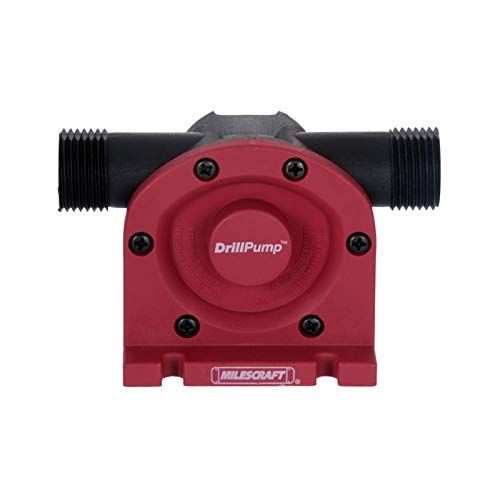
Standard pool tasks often require multi-purpose rotary power, from driving cover hardware into concrete pavers to running high-volume water evacuation tools like the Milescraft 1314 Drill Pump 750. When working around wet pool surrounds, you need reliable chuck gripping strength and dependable battery platform efficiency so the motor does not stall out midway through draining a winter cover. Just as preparing surrounding timber surfaces may require a specialized sander for floorboard restoration, setting up durable pool hardware calls for precise chuck alignment and controlled drilling torque. Based on manufacturer specifications and real-world user feedback, selecting the right setup ensures you tackle deck repairs without snapping bits or overheating your motor.


Frequently Asked Questions
Do you need a rotary hammer drill to install pool safety fence sleeves?
Yes, installing in-ground pool fence sleeves requires a dedicated rotary hammer drill rather than a standard drill driver. In-ground safety fences like the DIY systems utilizing the Pool Fence DIY Drill Guide with Bubble Level mandate boring 5/8-inch holes deep into cured concrete or paver decks. A standard drill lacks the percussion impact blows per minute (BPM) needed to penetrate dense aggregate, which risks burning out standard carbide bits. Using an SDS-plus rotary hammer ensures clean, straight holes without binding or motor burnout.
Can any cordless drill power a drill-mounted water transfer pump?
Most standard cordless drill drivers with a 3/8-inch chuck or larger can operate water transfer pumps effectively. Models like the Milescraft 1314 Drill Pump 750 require chucking directly onto a 3/8-inch shank to move up to 750 gallons per hour. You should run your drill on its higher speed RPM setting while applying smooth trigger modulation to maintain steady suction. Remember that cordless tools should never be submerged, and using a high-capacity lithium-ion battery platform helps sustain pump volume without sudden thermal cutoffs.
What clutch setting works best when using pool accessories for cover anchors?
A moderate mechanical clutch setting between 5 and 10 works best when using the best drills for pool accessories to prevent stripping brass threads. Inserting the Poolzilla 24″ Extra Long Hex Key Drill Bit into a 1/2-inch keyless chuck lets you back out or seat anchors effortlessly without bending over. Keeping your variable speed trigger at low RPM ensures the hex bit does not cam out or damage deck anchor slots. If an anchor sticks from winter grit, bumping up the clutch provides the necessary torque without twisting your wrist.
How does a brushless motor benefit pool deck maintenance projects in 2026?
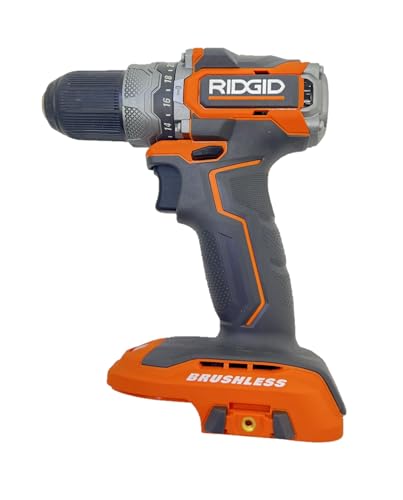
Brushless motor technology provides higher sustained torque and extends battery runtime during demanding outdoor tasks. Without carbon brushes generating internal friction, your power drill stays significantly cooler when boring concrete or transferring water. This motor efficiency proves especially useful when you need consistent power away from outdoor wall outlets. Just as you might pick a specialized detailing sander for tight spaces when refinishing tight corners around pool steps, a compact brushless drill delivers reliable performance in tight deck corners.
Why do drill bits slip when drilling into pool deck concrete?
Drill bit slippage happens when smooth-shank masonry bits are clamped into worn composite chucks without sufficient ratcheting force. Heavy hammer vibration against concrete aggregate can loosen standard 3/8-inch chuck jaws over continuous operation. Selecting a drill with an all-metal ratcheting chuck or using dedicated SDS-plus shanks locks the accessory firmly in place. Always ensure the bit shank is free of stone dust before tightening to maintain maximum gripping friction.


Write Your Review
No reviews yet. Be the first to share your experience!