


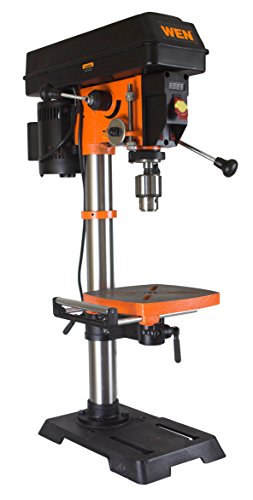
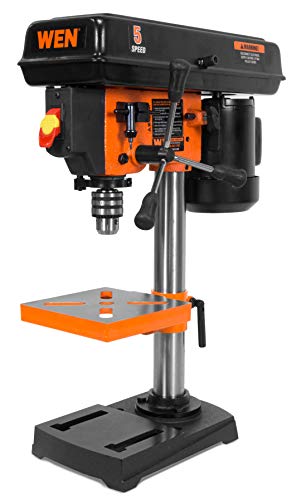
Chuck runout and bit wobble can quickly ruin tight woodworking joints or misalign critical metal bolt patterns. When a handheld drill drifts off center, clean holes become oblong messes that compromise entire assemblies. Setting up a dedicated benchtop machine delivers rigid quill support, dependable quill depth control, and stable worktable clamping. Discerning makers seeking the Best Drill Press 750 evaluate low spindle runout, cast iron base stability, and dependable torque across pulley ratios, especially when pairing boring work with a reliable oscillator sander for woodworking.
Analyzing manufacturer specifications and workshop user feedback reveals distinct trade-offs between compact 8-inch hobby models and heavier cast iron frames. While lower speeds around 750 RPM provide high mechanical torque to drive larger bits through dense lumber or steel plates, reliable motor power prevents frustrating stalls mid-cut. Investing in a solid benchtop unit eliminates wrist strain and ensures square, perpendicular holes every time.



Frequently Asked Questions
Why is a 750 RPM speed setting useful on a drill press?
A 750 RPM speed setting provides optimal torque and heat management when drilling thick steel and wide timber holes. High rotational speeds generate extreme friction that burns bits and workpieces. Running around 750 RPM allows larger bits, such as Forstner or annular cutters, to shave material smoothly without bogging down.
What is the main difference between an 8-inch and a 12-inch swing?
Swing capacity defines the maximum workpiece width you can drill to center, representing twice the distance from spindle center to column. An 8-inch benchtop press drills to the center of a 4-inch wide board, making it ideal for compact crafts. A 12-inch press accommodates wider cabinet panels and large metal brackets.
How does mechanical variable speed compare to stepped pulleys?
Mechanical variable speed enables swift RPM changes with an external lever without opening the belt housing. Stepped pulley systems require manual belt adjustments across pulley grooves. While pulleys offer proven mechanical simplicity, variable speed mechanisms with digital readouts save significant time during mixed-material shop projects.
Can magnetic drill presses replace standard benchtop models?
Magnetic drill presses target heavy structural steel fabrication rather than replacing general workshop bench models. Their magnetic base requires thick ferrous metal plates to lock down safely. They cannot clamp wood or non-ferrous stock, making a benchtop press far more versatile before finishing edges with a detailing sander for tight spaces.
What causes spindle runout on benchtop drill presses?
Spindle runout stems from loose quill collar tolerances or improper chuck seating on the spindle taper. To minimize bit wobble, wipe the internal taper clean of debris before seating the keyed chuck firmly. Selecting machines with rigid cast iron heads helps maintain tight hole alignment during continuous operation.




Write Your Review
No reviews yet. Be the first to share your experience!