


Ragged edges, melted plastic beads, and sudden bit bind-up ruin delicate foam insulation and craft projects in seconds. High flute friction often generates excessive thermal buildup, causing standard metal cutters to grab and rip through fragile expanded polystyrene rather than slicing clean channels. Matching your tooling to soft materials requires the best drill bit for styrofoam to maintain crisp margins without messy blowout. Many makers and DIY builders rely on specialized straight-flute cutters or razor-sharp spurs that slice cell walls cleanly while ejecting debris. Pairing clean cutting bits with fine finishing tools like compact detail sanders helps maintain accurate project dimensions during delicate hobby work.
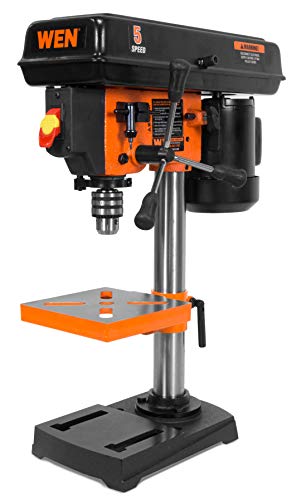
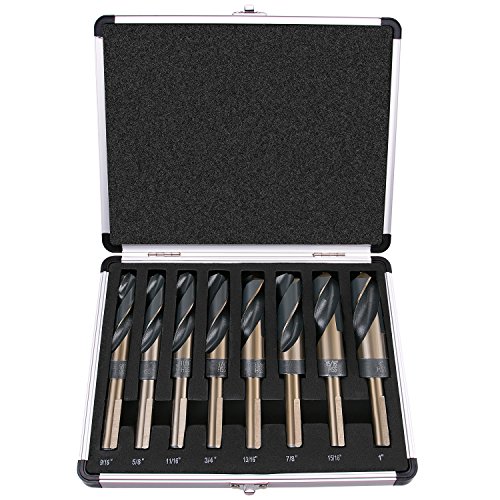
Drill press stability and sensitive variable speed trigger modulation keep light foam stock from compressing under heavy feed pressure. Sturdy carbon steel shafts and sharp stepped bits provide rigid tracking, minimizing chuck runout and bit wander when boring through thick panels. Based on product specifications and user feedback, low rotational speeds combined with sharp outer cutting lips yield the cleanest results. Whether you need wiring pathways through structural foam or recessed cutouts for tool cases, selecting cutters with efficient chip evacuation ensures smooth walls without sticky melted residue.


Frequently Asked Questions
What type of cutter works as the best drill bit for styrofoam?
Razor-sharp straight-flute bits, brad points, and spur-tipped spade cutters work best for styrofoam. These bit profiles slice the outer perimeter of the hole cleanly before scooping out inner material, preventing torn edges. Standard twist bits often create excessive friction that melts polystyrene beads. Using tools with sharp cutting spurs at low drill RPM creates smooth, clean bores without tearing fragile material.
Can you use standard twist drill bits on styrofoam without tearing?
Yes, but you must run the drill driver at very low rotation speeds with gentle feed pressure. Standard spiral flutes tend to pack quickly with loose foam beads, causing friction that melts the hole walls. Pulling the bit back frequently clears waste and keeps heat down. For smoothing rough margins after boring, using gentle shaping tools like oscillating sanders can refine edges without crushing light foam.
Why does styrofoam melt when drilling holes?
Excessive drill rotation speed and friction against blunt flutes cause styrofoam to melt instantly. Polystyrene has a low melting point, so high rotational friction turns crisp foam beads into sticky plastic clumps. Keeping your cordless drill set to low speed prevents heat buildup. Feathering a variable speed trigger allows the cutting edges to shave material smoothly while keeping the contact zone cool.
How do step drill bits perform in rigid foam panels?
Step drill bits cut remarkably clean holes across medium and high-density foam boards. The straight dual-flute layout pares away material in incremental steps, preventing the bit from grabbing the foam or pulling it upward toward the keyless chuck. Laser-etched size steps allow precise depth control, making them practical for boring smooth pass-through holes for wires and pipes.
What drill speed gives the cleanest results in 2026?
Low speeds between 300 and 600 RPM deliver the smoothest cuts in 2026. High spindle speeds generate rapid friction that tears soft cellular walls and glazes the interior of the hole. Setting your drill driver to its lowest mechanical gear setting maintains controlled torque delivery while keeping bit temperatures low enough to protect fragile foam edges.




Write Your Review
No reviews yet. Be the first to share your experience!