


Drill bits skittering across hard river stones can ruin a delicate craft project before the hole even starts. Dull tips generate intense thermal friction, causing polished agates and dense beach stones to fracture under blunt rotational force. Equipping your chuck with the best drill bit for pebble prevents that heartbreak by grinding tough mineral layers steadily instead of hammering against brittle crystal structures. Proper water cooling flushes away abrasive slurry while careful rotary speed control keeps the cutter locked on center without damaging your workpiece.
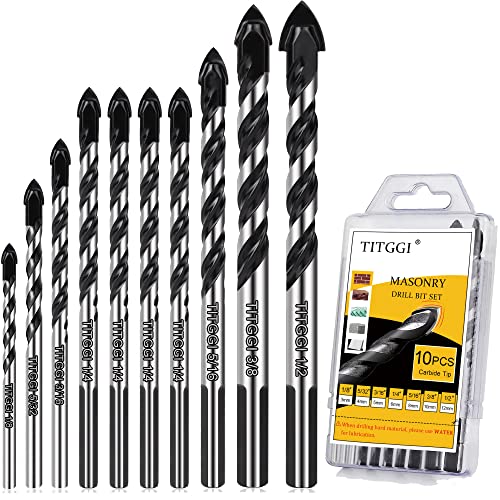
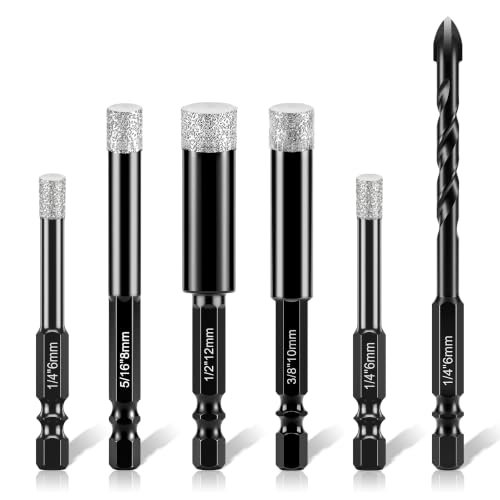
Standard twist bits dull almost instantly against silica-dense pebbles, burning out cutting edges and creating jagged entry craters. Specialized hollow diamond core bits and brazed masonry tips bypass this hurdle because they don’t chip tough stone surfaces under light feed pressure. Clean holes make it simple to craft tumbled jewelry, stone planters, or garden fixtures before smoothing adjacent display mounts with a detailing sander. Keeping your 3-jaw drill chuck aligned and easing up on the trigger protects fragile rock edges and gives you clean, professional bores on every run.


Frequently Asked Questions
Can you use a regular masonry hammer drill on pebbles?
No, hammer mode will shatter pebbles and destroy delicate minerals. Percussion mechanisms deliver sharp concussive impacts designed for thick concrete slabs, whereas river stones require pure rotary diamond grinding. Engaging a standard hammer action will cause thin pebbles to split along internal fault lines. Keep your cordless drill set strictly to rotary mode and let bonded diamond abrasive do the work.
Why do diamond drill bits require water when drilling small stones?
Water cooling prevents thermal shock and keeps the bonded diamond grit from burning away. Extreme friction on dense minerals generates rapid heat that melts the brazing matrix and dulls cutting edges in seconds. Submerging the stone in a shallow water bath flushes away gritty silica slurry and prevents airborne mineral dust. Continuous lubrication dramatically extends cutter lifespan and prevents hairline fractures.
What drill speed is best for drilling through dense river pebbles?
Moderate rotary speeds between 1,500 and 3,000 RPM deliver the cleanest results for small diamond core cutters. Running high-torque drills at full throttle creates excessive heat, while extremely low speeds cause the cutter to grab and skitter. Feathering a variable speed trigger gives you the exact modulation needed to start the cut at a 45-degree angle. Once a shallow groove forms, bring the tool upright and maintain steady, light downward pressure.
How do you prevent the best drill bit for pebble from slipping on smooth pebble surfaces?
Start the hole at a 45-degree angle or use a guide template to keep the tip from wandering. Polished stones offer zero traction for flat core cutters, which causes the bit to skate and scratch the mineral face. Angling the tool allows the rim of a diamond hole saw to carve a small crescent notch before tilting upright. Securing the pebble with putty or clamp fixtures keeps both your hands safe and eliminates sudden bit bind-up.
Can you drill drainage holes in pebbles for miniature planters or bonsai displays?
Yes, hollow diamond core bits between 1/4-inch and 1/2-inch remain top choices in 2026 to create clean drainage holes in decorative stones. Pebbles drilled with clean center holes make stunning bases for air plants or creative paludarium bonsai displays. Using steady water flow and gentle tool pressure prevents blowouts as the cutter breaches the bottom edge. A secure 3-jaw chuck or 1/4-inch hex shank ensures zero bit slippage during continuous stone boring.
Which shank design works best in standard cordless drill chucks for stone work?
Hex shanks and 3-flat shanks provide the most reliable grip without slipping in keyless chucks. Round shanks can spin freely inside chuck jaws if the diamond core encounters dense mineral inclusions. A 3-flat shank locks firmly into 3-jaw drill chucks, transferring motor torque directly to the cutting head without marring the tool steel. Quick-change 1/4-inch hex bases also speed up bit swaps when stepping through multiple hole diameters.





Write Your Review
No reviews yet. Be the first to share your experience!