


Mastering Precision for Fine Craft Projects
Bit wobble and excessive runout can instantly snap a sub-millimeter drill bit or shatter an expensive resin pendant. Tiny craft pieces require featherlight pressure and dead-center accuracy that standard heavy-duty drill drivers simply cannot deliver. Selecting the best drill for jewelry making requires balancing sensitive motor RPM with steady collet grip strength, giving you the finesse needed for delicate beadwork, cured resin charms, and soft metal wire. Pairing your micro rotary gear with a detailing sander for tight spaces can streamline your entire finishing bench, taking your handmade pendants from rough blanks to polished pieces.
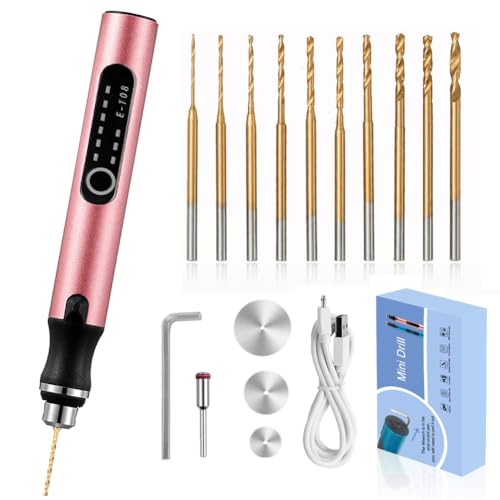
Careful evaluation of micro-chuck concentricity and variable-speed control shows why compact tools outshine bulky household drills for delicate artisan tasks. Lightweight pin vises allow complete manual control over fragile gemstones, while mini cordless drill pens offer smooth high-speed rotation to bore clean holes through acrylic and polymer clay without melting the edges. Reliable collet systems like a 3-jaw keyless clamp keep micro drill bits securely locked to eliminate runout and prevent marring delicate surfaces. Whether you prefer the gentle tactile feedback of a manual pin vise or the motorized efficiency of a rechargeable pen drill, having the best drill for jewelry making ensures every tiny loop, eye pin, and jump ring fits cleanly every single time.


Frequently Asked Questions
Can a standard cordless drill work for jewelry making?
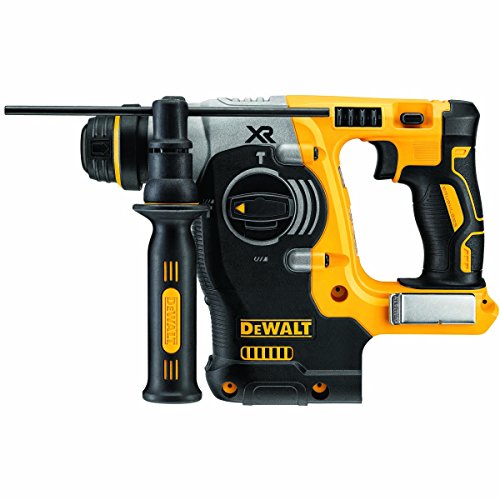
No, standard cordless power drills generate far too much rotational torque and weigh too much for delicate jewelry components. Full-sized drill chucks also suffer from noticeable chuck runout when gripping tiny micro bits below 1 millimeter, which quickly snaps the shank. Compact rotary pens and manual pin vises provide the featherlight balance needed to bore tiny holes without cracking cured resin or soft stones.
What is the main advantage of a pin vise hand drill over an electric mini drill?
Manual pin vises deliver total tactile feedback and zero heat buildup during drilling. By twisting the knurled handle by hand, you control the exact rotation speed and cutting pressure, preventing fragile polymer clay or resin charms from melting. This manual precision makes pin vises ideal for drilling fragile beads, whereas electric pens excel when you need speed across dozens of repetitive holes.
What chuck mechanism works best for holding micro drill bits?
A tight-tolerance 3-jaw adjustable chuck or a brass collet set provides the most secure grip for micro bits. Standard drills feature large chuck jaws that cannot close down to 0.5-millimeter diameters, causing bit slippage and off-center wobble. Micro chucks found on jewelry tools clamp down evenly on thin shanks to ensure smooth, concentric rotation that keeps pilot holes perfectly centered.
How do variable speed settings protect delicate crafting materials?
Multi-speed motor controls let you match rotational velocity to material hardness, preventing thermal damage and melting. Drilling through resin or acrylic at excessive RPM generates friction that softens plastic, binds the bit, and ruins your piece. Selecting a low RPM setting keeps cuts clean and prevents chipping when shaping blanks alongside a small area sander for smooth finishes on your workshop bench.
What should you look for in the Best Drill For Jewelry Making in 2026?
Ergonomic balance, low chuck runout, and versatile collet capacity represent the most critical features in 2026. A lightweight body under five ounces prevents hand fatigue during extended crafting sessions, while USB rechargeable battery setups eliminate restrictive cords. Checking for an assortment of high-speed steel micro bits also ensures you can tackle wood, resin, shells, and soft metals right out of the box.


Write Your Review
No reviews yet. Be the first to share your experience!