


Drilling into natural stone like travertine can quickly turn into a nightmare when standard masonry bits skate across the surface or crack the porous limestone face. Travertine features natural voids and variable density, which means excessive chuck vibration or aggressive hammer modes will fracture delicate tiles around plumbing rough-ins and bathroom fixtures. Maintaining smooth rotary speed and proper thermal control makes all the difference when mounting grab bars, shower valves, or towel rings. Selecting the best drill bit for travertine tile requires looking at diamond grit bonding, core barrel wall thickness, and heat-dissipating wax cores that protect fragile stone surfaces from blowouts.
Based on manufacturer specifications and aggregated trade feedback, dry diamond core bits and spear-point carbide tips offer distinct mechanical advantages depending on hole diameter. High-grade diamond matrices grind through mineral layers without percussion shock, while hex shanks deliver chuck grip reliability inside standard three-jaw chucks to prevent frustrating bit slippage. If your bathroom renovation also involves adjacent woodwork, smoothing surrounding trim with a detailing sander for tight spaces helps complete the installation seamlessly. Matching the right accessory to your drill’s variable speed trigger ensures clean, chip-free holes every single time.

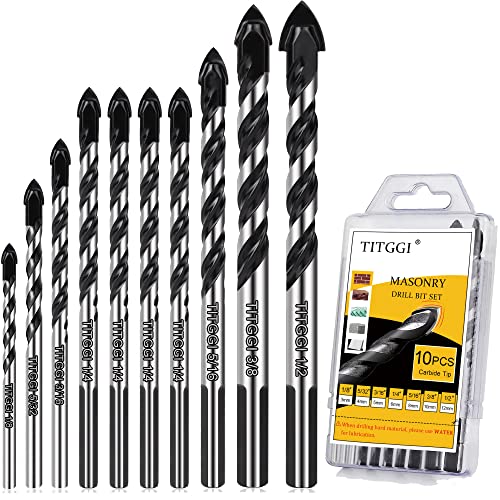
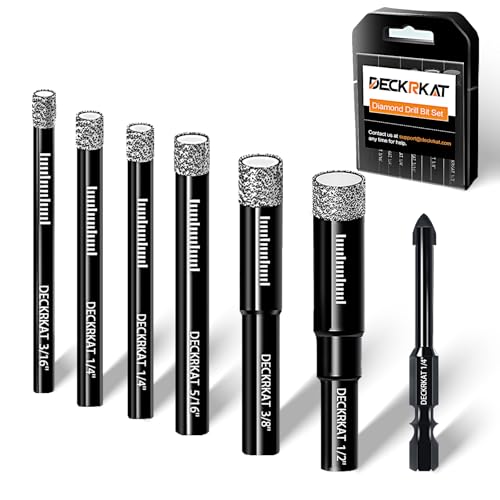
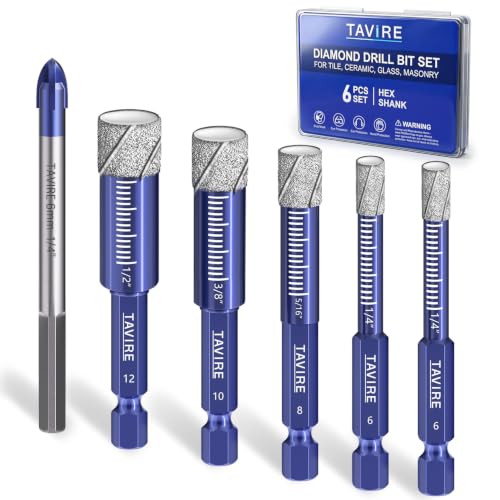

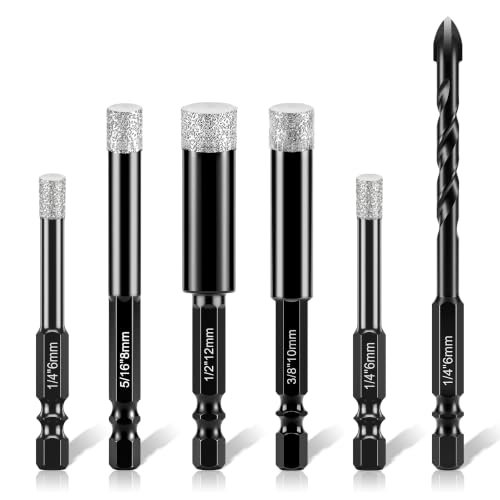
Frequently Asked Questions About the Best Drill Bit For Travertine Tile
Should you use hammer mode when drilling travertine tile?
No, hammer mode should never be used on travertine tile. The rapid percussion impacts from a hammer drill mechanism will crack or shatter the porous limestone structure instantly. Travertine requires smooth rotary drilling with diamond grit core bits or sharp carbide spear-point tips to grind through the mineral layers without mechanical shock.
What type of bit works best as the best drill bit for travertine tile?
Vacuum brazed diamond core bits provide the cleanest cuts and longest lifespan in travertine. Unlike standard twist bits that gouge, diamond grains grind away the stone smoothly while internal cooling wax helps manage thermal friction. Carbide-tipped spear bits also work for small pilot holes when operated at low rotational speeds.
Do diamond drill bits require water when drilling natural stone?
Yes, using water or a cooling lubricant significantly extends bit life and prevents thermal stress fractures in the tile. Many modern dry diamond bits feature internal paraffin wax that melts during operation, but introducing light water spray keeps the cutting edge cool and flushes out abrasive stone slurry. Keeping the bit cool prevents diamond matrix breakdown.
What drill speed and clutch setting should be used for travertine?
A low to moderate speed between 1,500 and 2,500 RPM delivers optimal cutting control for small diamond bits. Setting your drill driver to a dedicated drill mode rather than a low mechanical clutch prevents nuisance ratcheting during steady feed pressure. Variable speed trigger modulation lets you start the cut on an angle to score the stone before bringing the drill perpendicular.
How do you prevent the drill bit from wandering on smooth travertine?
Starting the drill at a 45-degree angle establishes a starter crescent notch that prevents chuck runout and bit skating. Once the diamond rim bites into the tile face, slowly pivot the tool upright to finish the cylinder. You can also clamp a scrap wood template or suction guide over the mark for exact alignment.
How do you handle surface repairs if adjacent flooring gets scratched during drilling?
Surface scuffs on nearby wood or stone transitions can be polished out with dedicated sanding pads. When remodeling bathroom thresholds or adjoining rooms, using a reliable sander for floorboard restoration smooths down uneven wood planks before sealing. Keeping a vacuum running during tile drilling also prevents abrasive dust from scratching surrounding surfaces.




Write Your Review
No reviews yet. Be the first to share your experience!