


A cold spring morning ruined by a snapped starter cord, a gummed carburetor, and an engine that refuses to pop is a preventable headache for any saw owner. Storing cutting equipment without proper preparation allows ethanol-blended fuel to separate, drawing ambient moisture into the tank and hardening delicate diaphragm gaskets. Learning how to winterize chainsaw procedures ensures your powerhead fires up instantly on the first pull when storm season arrives or firewood chores resume. Clearing out resin buildup, protecting bar rails from corrosion, and managing fluid reservoirs prevents costly spring service bills and mechanical downtime.
Whether you run a high-displacement two-stroke gas saw or a modern cordless electric setup, freezing temperatures and prolonged inactivity accelerate physical wear across rubber fuel lines, dry seals, and exposed steel cutters. Combining simple fuel stabilization techniques with systematic powerhead cleaning preserves internal engine compression while preventing sticky oiler passages. Property owners who manage overgrown acreage often pair their saw maintenance with seasonal servicing for brush cutters for small saplings to keep their entire outdoor tool arsenal operating smoothly. Taking forty minutes in late autumn to inspect spark arrestor screens, dress guide bar rails, and coat the combustion chamber creates lasting mechanical reliability for years of heavy firewood bucking.

Essential Protocols for Chainsaw Winterization and Storage
Winter storage demands a proactive maintenance routine to prevent physical deterioration during freezing winter months. When cutting equipment sits idle for several months, chemical fuel degradation and ambient moisture accumulation silently attack the fuel system, ignition components, and cutting attachments. Understanding how each mechanical sub-system reacts to freezing temperatures allows operators to preserve their investment and avoid frustrating diagnostic sessions when spring arrives. Implementing a methodical winter preparation routine guarantees that your chainsaw remains ready for immediate operation whenever severe weather or seasonal firewood chores demand reliable performance.
The Chemical Hazard of Stale Ethanol Blends
Standard automotive pump gasoline contains up to ten percent ethanol, which poses an aggressive hazard to two-stroke carburetors and flexible fuel lines during periods of disuse. Ethanol is naturally hygroscopic, meaning it absorbs moisture directly from humid ambient air inside an unsealed fuel tank. Once the moisture saturation threshold is crossed, phase separation occurs, causing the heavy water and alcohol mixture to drop to the bottom of the fuel reservoir. When this corrosive layer enters the carburetor, it quickly tarnishes brass metering jets, corrodes delicate aluminum passages, and hardens flexible metering diaphragms until they crack.
Beyond internal carburetor damage, degraded fuel creates sticky varnish deposits that seize needle valves and obstruct micro-fine idle circuits. Modern low-emission carburetors rely on minute fuel passages that clog easily when volatile fuel components evaporate over several weeks of dormancy. Rubber fuel pick-up lines and flexible primer bulbs also suffer extensive damage, losing their elasticity and developing microscopic hairline fractures that introduce air leaks into the fuel stream. Preventing these catastrophic fuel-related failures requires either completely draining standard pump gas from the machine or substituting an engineered fuel formula before winter arrives.
Choosing Between Wet and Dry Storage Strategies
Operators generally choose between two primary methods for seasonal storage: running the fuel system completely dry or filling the tank with a stabilized, ethanol-free synthetic premix. The dry storage method works well for owners storing saws in unheated outbuildings where extreme temperature swings promote condensation inside an empty fuel tank. Emptying the tank and running the carburetor dry eliminates fuel degradation entirely, but prolonged dryness can occasionally cause older, brittle rubber diaphragms to stiffen if left unserviced. Conversely, wet storage utilizes high-octane, ethanol-free canned fuel enriched with synthetic fuel stabilizers to protect internal rubber parts while keeping the system sealed against oxygen.
Wet storage provides exceptional convenience in the spring, allowing the saw to fire up immediately without requiring extensive priming or fresh fuel mixing. If you opt for wet storage, never use pump gas treated with ordinary shelf stabilizers, as pump gas still contains ethanol that can destabilize during extended winter dormancy. Instead, drain the standard fuel tank completely and refill it with a quart of pre-mixed, 50:1 or 40:1 engineered alkylate fuel specifically designed for small engines. Run the powerhead for five to ten minutes under light throttle to ensure the stabilized alkylate fuel thoroughly displaces all traces of standard pump gas throughout the carburetor circuit.
Step-by-Step Fuel System Draining Procedure
If you select the dry storage method, begin by pouring all remaining mixed fuel out of the powerhead tank into an approved disposal container. After emptying the tank, press the flexible purge primer bulb six to eight times to draw residual fuel out of the carburetor metering chamber and return lines back into the tank. Tip the powerhead again to drain those final returned droplets, ensuring no puddles remain inside the fuel reservoir. Secure the fuel cap tightly to prevent airborne dust, shop grime, and condensation from contaminating the empty reservoir over the winter months.
Once the tank is drained, start the chainsaw following standard cold-start choke procedures and allow the engine to idle. The engine will run for thirty to ninety seconds on the residual fuel trapped inside the carburetor passages before sputtering and stalling. Set the master control lever to half-choke and pull the starter cord several more times until the engine refuses to pop, indicating that every drop of combustible vapor has burned off. This dry-run step ensures the delicate metering diaphragm and needle valve remain completely free of sticky residue that would otherwise harden into gummy varnish.
Lubrication System Maintenance and Mitigating Bar Oil Leaks
Chainsaw bar and chain oil reservoirs operate on a gravity-fed, crankcase-pressurized, or clutch-driven pumping circuit that frequently develops slow seepages when parked on a shelf. As ambient garage temperatures fluctuate between freezing nights and warmer sunny afternoons, air inside the oil tank expands and contracts, pushing viscous oil past check valves and breather vents. This natural thermal expansion causes the familiar puddle of sticky bar oil beneath stored saws, creating unnecessary workshop messes and draining the reservoir. Thoroughly wiping down the oil tank cap seal and storing the saw on an absorbent shop mat or a plastic drip tray mitigates seasonal garage floor stains.
Winterization also provides the ideal opportunity to flush out contaminated or resin-thickened bar oil that might seize the internal oil pump gears. Drain the bar oil reservoir and inspect the tank opening for wood chips, fine sawdust dust, and bark fibers that bypass the filler cap during field refilling. If heavy sludge has accumulated at the bottom of the reservoir, flush the tank with a small amount of clean kerosene or winter-grade flush fluid, shaking the powerhead gently before draining. Ensure the tiny breather duckbill valve near the oil cap remains clear of dried resin so the system can equalize pressure without forcing oil out through the pump seals.
Guide Bar Reconditioning and Saw Chain Preservation
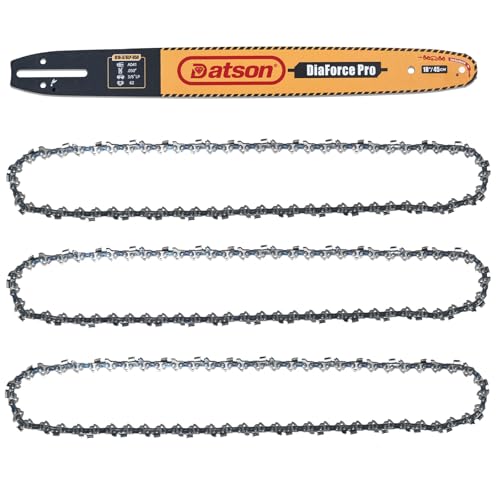
Storing a saw with a dirty, resin-caked guide bar and a dull chain accelerates rust formation and rail pinching along the guide channel. Use a combination scrench to loosen the dual bar nuts, disengage the manual front chain brake, and remove the outer clutch cover to access the cutting assembly. Scrape the guide bar rails with a dedicated bar groove cleaner or a putty knife to remove impacted sawdust, dried wood sap, and old oil sludge that traps moisture. Inspect the guide rails for mushroomed metal burrs along the outer edges, dressing them flat with a fine-cut flat file held perpendicular to the bar surface.
Flipping the guide bar upside down before remounting in the spring ensures balanced, symmetrical rail wear and prevents the saw from drifting off-line during crosscuts. Clean the saw chain thoroughly in a shallow bath of mineral spirits or biodegradable degreaser to dissolve hardened pitch before sharpening each cutter tooth. Sharpen the cutters with a round file correctly matched to your chain pitch, maintaining consistent thirty-degree angles across all left-hand and right-hand teeth. After filing the cutters and lowering depth gauges to appropriate clearances, coat the entire chain in clean bar oil or anti-corrosion spray, storing it sealed inside a heavy plastic bag to prevent surface rust.
Powerhead Deep Cleaning and Air Filtration Service
Wood chips packed tightly behind the clutch drum and inside the cylinder cooling fins attract environmental moisture that corrodes magnesium and aluminum crankcase components. Use a soft nylon bristle brush or compressed air set to moderate pressure to clean the exposed centrifugal clutch, drive sprocket, and chain catcher pin. Inspect the drive sprocket for deep grooves created by the chain drive links, planning a replacement if wear exceeds half a millimeter. Keeping the clutch mechanism free of compacted debris prevents premature spring failure and ensures the centrifugal clutch disengages cleanly at idle speed.
Remove the top cylinder shroud to access the engine cooling fins and the air filtration system. Brushing dried debris from between the cylinder cooling fins is vital, as packed chips act as thermal insulation that causes severe engine overheating during subsequent spring firewood cutting sessions. Clean the air filter according to its specific media type, washing nylon mesh filters in warm soapy water while gently tapping heavy paper or flocked filters to dislodge fine dust. Property owners who tackle diverse seasonal yard chores often pair this machine cleaning with maintenance on their firewood processing gear, reviewing how to swing an axe to maintain safe mechanics when splitting logs alongside their chainsaw work.
Cylinder Fogging and Combustion Chamber Preservation
Internal combustion chambers require direct anti-corrosion protection against freezing winter humidity that enters through open exhaust and intake ports. Remove the spark plug boot and unscrew the spark plug using your scrench, inspecting the ceramic insulator and electrode gap for carbon crust or oil fouling. Spray a two-second burst of small-engine fogging oil directly into the open spark plug hole, or introduce a teaspoon of clean two-stroke engine oil into the cylinder. This protective oil film coats the polished cylinder wall, piston rings, and needle wrist pin bearing, preventing catastrophic surface rust that scores cylinder plating upon initial spring startup.
After applying the protective oil, pull the recoil starter rope slowly three or four times to distribute the lubricant across the entire stroke of the piston. Clean the spark plug threads and check that the electrode gap matches manufacturer specifications before threading the plug back into the cylinder head by hand to prevent cross-threading. Gently pull the starter rope one final time until you feel strong physical resistance, which indicates the piston has reached top dead center. Storing the engine at top dead center seals both the intake and exhaust ports, locking out moist atmospheric air and preventing internal combustion chamber oxidation.
Battery-Powered Chainsaw Winter Protocols
Cordless battery chainsaws eliminate carburetor headaches, but their lithium-ion battery packs and electronic control modules demand dedicated cold-weather protocols. Never leave high-voltage battery packs stored inside an unheated garage, garden shed, or vehicle where temperatures dip below freezing. Sub-zero temperatures dramatically increase internal chemical resistance, accelerating permanent capacity loss and causing the battery management system to enter an unrecoverable sleep mode. Always remove the battery pack from the chainsaw housing to eliminate parasitic electronic draw that slowly drains battery cells down to dangerous voltage levels over several months.
Store lithium-ion battery packs in a climate-controlled room between fifty and seventy degrees Fahrenheit with the charge level maintained between forty and sixty percent. Storing a battery completely depleted causes cell degradation, while storing it at a continuous one hundred percent charge state stresses internal cathode materials over prolonged dormancy. Wipe down the copper battery contact terminals on both the pack and the tool housing using a clean microfiber cloth to remove conductive dust and residual moisture. Even on cordless saws, you must drain or clean the automatic bar oiling system, as vegetable-based or tacky petroleum oils can congeal and clog narrow delivery ports during cold storage.
Workshop Storage Environment and Physical Protection
Storing your winterized cutting tools in a clean, dry, well-ventilated location protects sensitive ignition electronics and exterior hardware from ambient corrosion. Keep chainsaws elevated off bare concrete floors, which absorb subterranean moisture and transmit damp cold directly into the bottom of metal engine cases. Hang the powerhead from a sturdy wall bracket or rest it securely on a wooden shelf lined with an oil-absorbent pad. Install a protective plastic scabbard over the guide bar and chain assembly to shield the sharpened cutters from impact damage while safeguarding family members and pets from sharp teeth.
Keep the chainsaw stored well away from open flames, pilot lights, electric furnaces, and chemical fertilizers that release corrosive airborne gases. Storing tools near pool chlorine, fertilizer bags, or road salt accelerates severe galvanic corrosion on magnesium powerheads and galvanized fasteners. Cover the powerhead with a breathable canvas tarp or cotton sheet rather than non-porous plastic sheeting that traps evaporating humidity inside the engine shroud. Taking time to clear surrounding overgrown brush with brush cutter blades for heavy clearing before bringing seasonal tools indoors ensures your winter workshop remains organized and fire-safe.
Practical Reference Resources for Small Engine Maintenance
Homeowners seeking deeper mechanical confidence when troubleshooting carburetors, ignition coils, and fuel delivery systems can benefit from detailed reference guides like Small Engine Care for Normal People. Written with accessible explanations, this maintenance reference breaks down two-stroke and four-stroke operational principles without overwhelming readers with obscure professional jargon. The guide covers routine preventive maintenance schedules, spark testing protocols, and seasonal fuel storage practices that apply directly to chainsaws, string trimmers, and lawn mowers. Having a straightforward maintenance manual on your workshop workbench provides reliable diagnostic steps whenever small outdoor power equipment exhibits hard-starting symptoms or fuel delivery issues.
Spring Recommissioning and Initial Verification Steps
When spring arrives and temperatures rise above freezing, bringing your chainsaw out of winter hibernation requires a systematic inspection routine. If you stored the saw dry, mix a fresh batch of eighty-nine octane or higher ethanol-free gasoline with premium two-stroke synthetic oil at the exact manufacturer-specified ratio. Inspect the flexible fuel lines and primer bulb for signs of hardening, cracking, or discoloration before filling the fuel tank. Reinstall the clean, sharpened cutting attachment, ensuring the chain drive links seat squarely inside the drive sprocket and guide bar track with proper tension.
Perform a manual snap test to confirm proper chain tension, ensuring the drive link tangs do not disengage from the bar groove when pulled downward with moderate finger force. Start the engine in an open outdoor area, allowing it to idle smoothly for two minutes while the fresh fuel mix clears out any residual cylinder fogging oil. Hold the bar tip two inches above a clean piece of light-colored cardboard or a dry stump and rev the throttle to verify active oiler discharge. A clear line of fine oil spray flung from the spinning chain tip confirms that the automatic lubrication pump is working properly and your chainsaw is ready for productive woodcutting.
Investing the time to perform proper winterization protects your chainsaw against the most common causes of small-engine failure. Whether draining the fuel system completely or relying on stabilized ethanol-free synthetic fuel, keeping moisture and gum out of the carburetor saves hours of frustrating pull-starting next season. Cleaning cutting rails, inspecting cooling passages, and preserving internal combustion surfaces maintains peak cutting power and equipment longevity. Following these structured seasonal storage practices ensures that your saw starts reliably, cuts smoothly, and performs safely whenever heavy firewood or storm cleanup duties call.






Write Your Review
No reviews yet. Be the first to share your experience!