


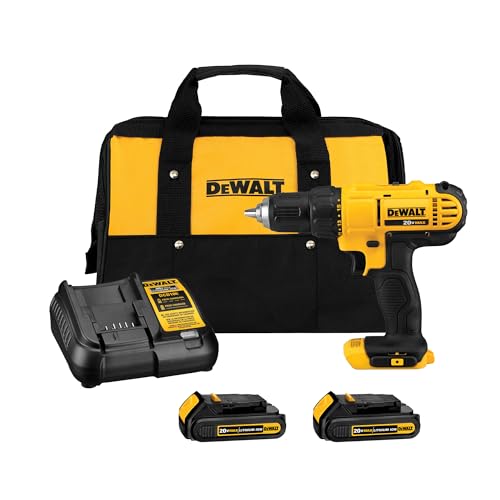
Motor heat builds up quickly when a cordless drill turns heavy, viscous pottery mixtures at crawling speeds without proper variable speed control. Sustained low-speed churning often causes standard drill motors to stall or smell like burning copper, while an unsteady chuck can introduce annoying air pockets right into the glaze bucket. Studio potters and ceramic hobbyists need dependable gear that pairs reliable trigger sensitivity with robust paddle attachments. Identifying the best drills for glaze mixing requires examining how well your power drill maintains low-RPM torque without overheating during prolonged mixing sessions. High-strength mixer shafts and secure hexagonal chuck engagement prevent messy bit slippage, giving you full command over dense suspensions and slips.
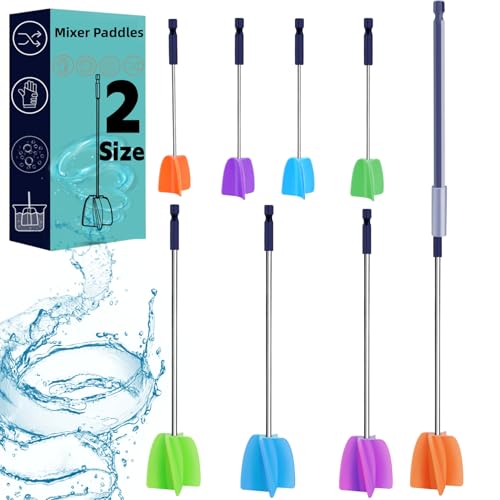
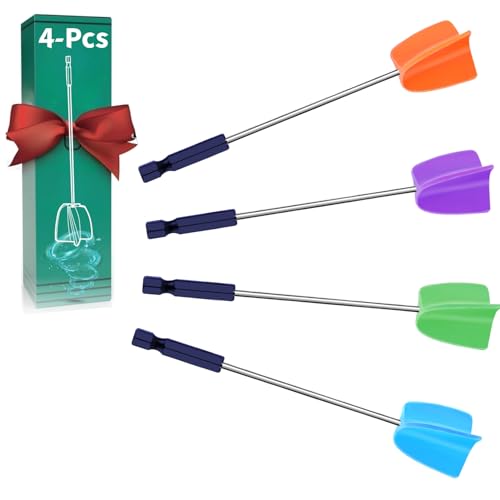
Careful analysis of manufacturer specifications and aggregated user feedback highlights the importance of durable paddle designs paired with capable drills. Long hex-shank stirrers and balanced helical blades pull sediment up from the bottom of deep buckets without violent splashing. Just as woodworkers rely on a dedicated detailing sander for tight spaces to refine intricate furniture curves, glaze artisans require precise tool control to achieve silky, lump-free coatings. Pairing an efficient brushless drill driver with non-stick silicone or zinc-plated steel paddles saves your wrists from manual stirring fatigue and produces consistent results on every firing run.




Frequently Asked Questions
What drill speed is ideal for glaze mixing?
A low speed between 200 and 400 RPM works best for ceramic glazes. Running your drill at high speed whips excessive air bubbles into the liquid slurry, which ruins your glaze application and causes pinholing in the kiln. Feathering a variable speed trigger on gear setting one keeps the vortex controlled and keeps glaze inside the container.
Can you use an impact driver with glaze mixing paddles?
Yes, you can use an impact driver if your mixing paddle has a standard 1/4-inch hex shank. But a dedicated cordless drill driver is generally better because an impact driver’s concussive hammering action can splash slurry and strain delicate paddle welds. A smooth, continuous drill motor output ensures uniform blending without violent vibrations.
Why does a drill motor get hot while blending thick ceramic glazes?
Sustained low-RPM operation restricts airflow from internal cooling fans while the motor draws heavy current to move dense liquid. Ceramic glaze suspensions create continuous viscous drag that strains brushed motors quickly. Choosing a modern tool with brushless motor efficiency and thermal overload protection helps prevent motor burnout during demanding studio sessions in 2026.
How do helix paddle attachments reduce bubbles in Best Drills For Glaze Mixing setups?
Helical four-blade designs generate gentle downward or upward fluid motion rather than turbulent chopping. This bottom-up flow lifts settled particulate off the pail base without dragging surface air beneath the liquid. Silicone and steel helix attachments featured in the best drills for glaze mixing guide keep suspensions uniform while keeping air intrusion to a bare minimum.
Does chuck construction matter when using heavy mixing attachments?
Yes, an all-metal keyless chuck or positive hexagonal shaft connection is essential to stop bit slippage under resistance. Round stirring shafts can spin freely inside plastic chuck jaws once the glaze thickens, marring the tool and halting your workflow. Just as detailed workshop finishing calls for a sturdy small area sander for steady hand control, secure chuck engagement gives you stable stirring without frustrating wobble.
What battery capacity works best for cordless drill glaze mixing?
A lithium-ion battery rated at 4.0 Ah or higher is recommended for continuous mixing tasks. Thick mineral mixtures draw constant amperage, draining smaller compact batteries within a couple of buckets. A higher amp-hour pack also provides better physical counterbalance against long 15-inch mixing shafts in 2026.




Write Your Review
No reviews yet. Be the first to share your experience!