


Reliable Power for Common Household Projects
Stripping a soft screw head during basic furniture assembly ruins an afternoon faster than almost anything else. Jerky triggers and sloppy chucks slip or over-drive fasteners into soft pine, leaving behind chewed-up hardware. Tackling everyday maintenance demands steady rotational power and a sensitive mechanical clutch that stops before threads strip. Selecting the best driller for home comes down to balancing manageable tool weight with enough torque to drill clean pilot holes and mount shelving securely. A dependable cordless motor keeps your weekend repairs moving without stalling out under moderate loads.
Battery balance also matters when you are working inside tight kitchen cabinets or reaching overhead to hang curtain rods. Compact 12V systems offer nimble handling in tight spots, while versatile 20V battery platforms provide extra muscle for tough hardwoods. After completing rough hole boring, smoothing nearby wood trim with a dedicated detailing sander for smooth finishes creates clean, professional results. Evaluating clutch positions, keyless chuck capacity, and bundled bit sets ensures your household toolkit handles regular upkeep without unexpected frustration.


Frequently Asked Questions
What clutch setting prevents stripped screws when using the Best Driller For Home?
Lower clutch settings between 1 and 6 work best for small screws in drywall or particleboard. Setting the clutch collar to a lower number disengages the drive gears as soon as resistance builds, preventing stripped screw heads. Higher settings supply firmer driving torque for long screws into framing lumber, while dedicated drill mode locks the clutch collar completely for boring holes.
Is a 12V cordless drill powerful enough for general home maintenance in 2026?
Yes, a 12V motor delivers sufficient power for hanging wall frames, fixing cabinet hinges, and assembling flat-pack furniture. Lightweight 12V designs reduce arm strain during overhead tasks compared to heavier 20V models. While 12V systems lack the sustained punch for large hole saws, their compact footprint fits easily into tight spots and utility drawers.
Can a standard 3/8-inch drill driver bore into concrete walls?
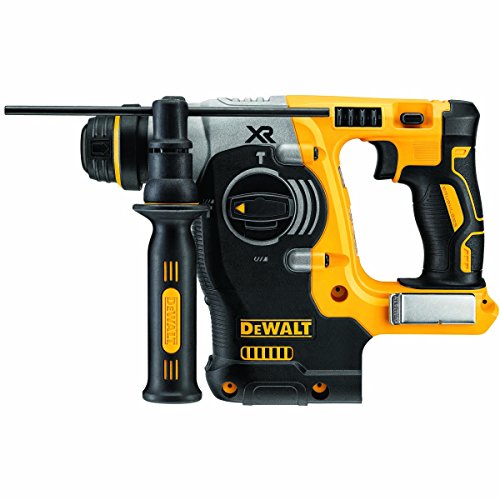
No, standard drill drivers lack the rapid hammering action needed to pulverize hard aggregate. Attempting to bore solid poured concrete with a standard rotary chuck overheats the motor and quickly dulls twist bits. For soft brick or mortar joints, specialized masonry bits can scrape shallow holes at low RPM, but structural concrete anchors require a hammer drill.
Why are dual-speed gearboxes beneficial on a home drill?
Dual-speed gearboxes let you toggle between high torque for driving fasteners and high rotational speed for drilling clean holes. Low gear around 0-400 RPM maximizes driving control to prevent bit slip. High gear around 1300-1500 RPM spins bits rapidly for smooth cuts. Pairing clean drilling with an oscillating sander for woodworking makes smoothing raw edges simple.
How does battery amp-hour capacity affect household drilling?
Higher amp-hour ratings extend working runtime between charges without altering the drill’s motor voltage. Most household kits feature compact 1.5Ah or 2.0Ah lithium-ion packs, providing ample stamina for intermittent DIY fixes while keeping the tool agile. Larger battery packs double working duration but add noticeable bottom-heavy weight that increases wrist fatigue.




Write Your Review
No reviews yet. Be the first to share your experience!