


Stripped screw heads and sudden motor stalls turn a simple weekend repair into an annoying chore. When a motor lacks consistent torque, driving even a basic fastener into soft pine leaves screws protruding or ruins bit tips completely. Getting reliable drilling performance for household tasks doesn’t mean spending hundreds on contractor-grade equipment. Selecting the best drill inexpensive tool requires looking past flashy brand labels and focusing on motor efficiency, clutch control, and durable chuck assemblies. A quality budget tool should handle pilot holes, assemble flat-pack furniture, and bore clean openings without bogging down.
Balanced weight and comfortable handling make overhead tasks far less punishing on your wrists. Modern cordless designs feature variable speed triggers and 20V battery platforms that deliver plenty of punch for drywall, pine, and light sheet metal. After examining motor specifications, gear constructions, and user feedback, we noticed that many budget kits even include flexible shafts and driver bits to jumpstart small repairs. For larger renovation projects that require smoothing rough surfaces before assembly, pairing your kit with the best detailing sander ensures clean, professional joinery. Investing in an affordable drill driver gives you the freedom to finish household tasks efficiently without overspending.


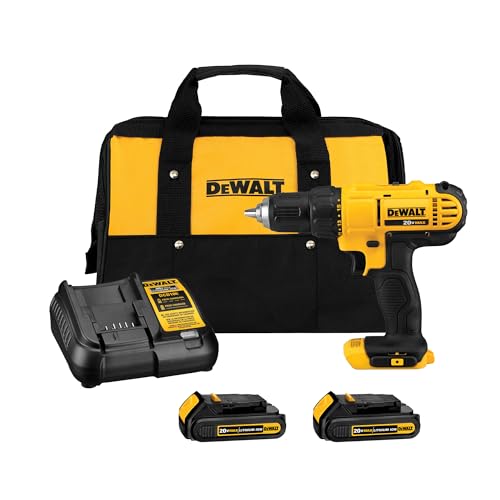
Frequently Asked Questions
Can an inexpensive cordless drill handle drilling into masonry or brick?
No, standard inexpensive drill drivers are not built for solid masonry or poured concrete. They lack the dedicated hammer mechanism and percussion blows per minute needed to pulverize dense stone or foundation blocks. Attempting to bore masonry anchors with a standard 3/8-inch keyless chuck will quickly overheat the motor and dull your bits. For cinder block or light brick, you need a tool with an active hammer mode or a dedicated rotary hammer.
What is the practical difference between a 3/8-inch and a 1/2-inch drill chuck?
A 1/2-inch chuck accepts larger diameter drill bits and generally provides higher clamping force than a 3/8-inch chuck. While 3/8-inch chucks found on most budget models easily handle twist bits and hex shanks for daily home repairs, a 1/2-inch sleeve resists bit slippage during high-torque hole saw cutting. For standard woodworking and furniture assembly, a 3/8-inch keyless chuck remains lightweight and plenty capable.
How many clutch settings do you need for everyday home DIY projects?
Having between 18 and 24 mechanical clutch settings provides sufficient torque control for routine tasks. Adjustable clutch collars prevent stripping screw heads, snapping small fasteners, and overdriving screws into soft drywall or pine boards. When assembling delicate cabinets or pairing joinery work with the best made small area sander, dialing down the clutch protects tender wood surfaces from sudden tear-out.
Why does a dual-speed transmission matter on a budget drill?
A dual-speed gearbox allows you to switch between high torque for driving screws and high rotational speed for drilling clean holes. The low-speed setting (typically 0-350 or 0-450 RPM) gives you controlled power to drive structural fasteners without cam-out. Switching to high gear (up to 1,300 or 1,500 RPM) enables fast, clean boring through hardwoods, sheet plastic, and light metal.
How long does a 1.5 Ah 20V lithium-ion battery last during typical projects?
A 1.5 Ah battery typically powers dozens of light fastener installations or several medium pilot holes on a single charge. For assembling chairs, mounting curtain rods, or hanging floating shelves, a compact 1.5 Ah pack provides enough runtime without adding arm fatigue. Kits with two battery packs allow one pack to recharge while you keep working.
Is the Best Drill Inexpensive of 2026 powerful enough for building a deck or framing?
Budget drills can drive occasional deck screws, but they are not intended for heavy, all-day framing lumber drilling. Sustained driving of large structural lag bolts creates thermal stress that can stall a compact motor. For light framing repairs and weekend deck maintenance, setting the clutch to drill mode and pre-drilling pilot holes helps your inexpensive power drill perform reliably without motor strain.


Write Your Review
No reviews yet. Be the first to share your experience!