


Stripping a screw head into an expensive oak face frame or splitting a tenon joint ruins hours of shop prep in seconds. Reliable wood joinery calls for delicate clutch sensitivity, smooth throttle response, and minimal chuck runout so pilot holes stay true. Selecting the best drill for making furniture means matching motor torque to your joinery methods, whether you drive small pocket screws or bore deep dowel holes. Pairing your drill setup with a quality oscillator sander for woodworking ensures your components fit cleanly without uneven gaps.
Balanced tool weight keeps wrist strain down during long glue-ups and repetitive hardware mounting. Careful review of tool specifications shows that wide variable-speed control helps prevent burning hardwood fibers, while a reliable keyless chuck stops bits from wandering off mark. Compact battery drills alongside sharp specialty bits deliver the exact finesse required for custom cabinetry, chairs, and flat-pack builds. User feedback consistently shows that steady, controllable power makes all the difference when crafting sturdy wooden pieces.




Frequently Asked Questions
What torque setting works best for assembling wooden furniture?
A low to medium clutch setting between 3 and 6 works best for assembling wooden furniture. Setting the clutch collar low prevents driving fasteners too deep into softwoods or stripping pre-drilled holes in plywood. When you need extra muscle for hardwoods, step up the torque gradually rather than running in drill mode. This mechanical clutch release protects delicate mortise and tenon joints from splitting under sudden torque loads.
Should you use an impact driver or a cordless drill driver for furniture making?
A cordless drill driver is generally superior to an impact driver for building fine furniture. Drill drivers provide an adjustable mechanical clutch and smoother variable-speed triggers that stop stripped screws before they happen. Impact drivers deliver violent rotational concussions that can crack brittle timber or overdrive pocket fasteners. The controlled delivery of the Best Drill For Making Furniture preserves delicate decorative surfaces and exact joint alignment.
Why are brad point drill bits preferred over standard twist bits in cabinet building?
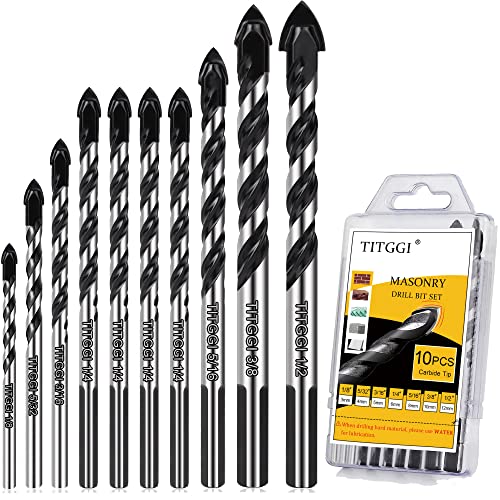
Brad point bits produce far cleaner entry holes because the sharp center spur prevents bit wandering. Standard twist bits tend to skate across smooth grain lines, ruining precise dowel alignment on visible panels. The outer spurs of a brad point slice wood fibers cleanly before clearing out the waste, leaving tear-free edges. Keeping your holes accurate reduces the time you spend cleaning parts with a detailing sander for tight spaces during final assembly.
Is a 12V or 20V cordless drill better for making furniture?
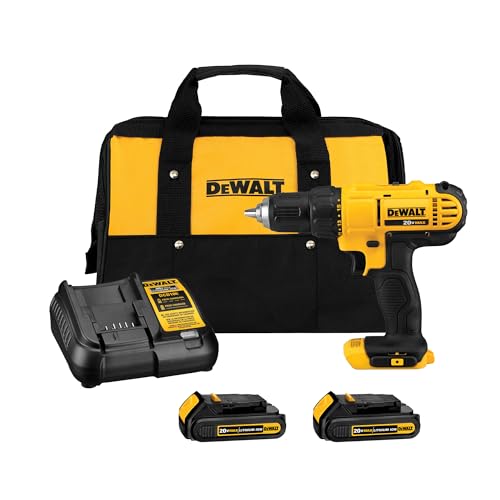
A compact 12V or lightweight 20V drill offers the ideal balance of power and maneuverability for furniture construction. Heavy jobsite hammer drills cause arm fatigue and struggle to fit inside narrow drawer openings or assembled cabinet carcasses. Lighter drill bodies like the AVID POWER 20V Cordless Drill Set provide ample torque for boring pilot holes while keeping overall tool weight around 2.5 pounds. This manageable profile ensures steady one-handed guidance during tricky angle drilling.
How do you prevent hardwood from splitting when driving screws?
Drilling a stepped pilot hole matched to the screw core diameter is the most reliable way to prevent splitting hardwood. Always bore through the top piece with a clearance bit so the screw threads bite solely into the receiving board. Countersinking the screw head also prevents the conical fastener profile from wedging the wood fibers apart. Using the Best Drill For Making Furniture of 2026 with high-carbon steel bits ensures clean holes without friction burns.
Can micro rotary drill pens handle practical furniture projects?
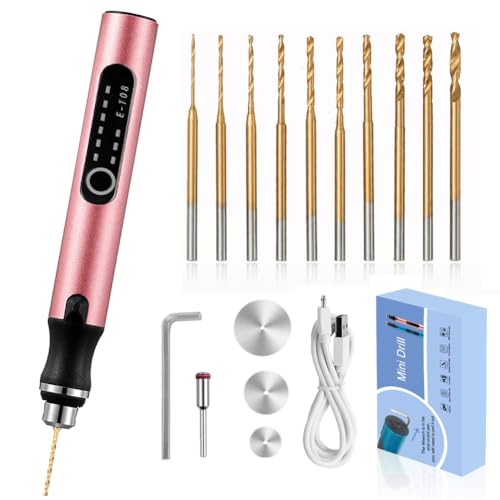
Micro drill pens are strictly suited for miniature crafts, resin accents, and delicate hardware pilot holes rather than heavy structural joinery. Tools like the Uolor 3-Speed Cordless Mini Drill Pen excel at drilling tiny holes for delicate brass hinges, inlay work, or escutcheon pins. Boring dowel joints or driving standard wood screws requires a full-sized 3/8-inch chuck drill with higher sustained torque. Use rotary pens solely for accent work and detailed embellishments.




Write Your Review
No reviews yet. Be the first to share your experience!