


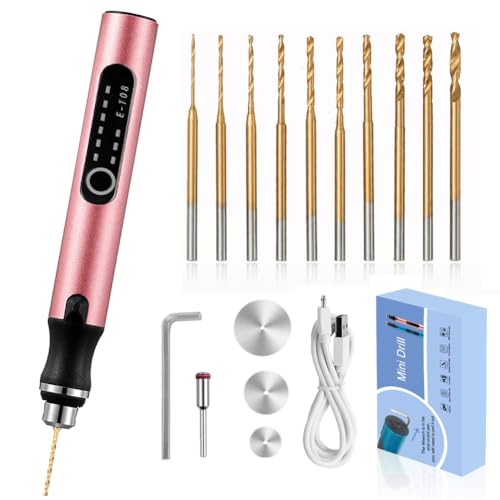
Chuck wobble and sudden bit slippage can shatter fragile plastic blanks or ruin hours of delicate resin casting in seconds. High rotary speeds and aggressive torque often generate excessive heat, melting workpiece edges rather than producing clean, crisp holes for jump rings. Getting the right balance between low rotational runout and precise chuck grip is essential when picking the best drill for acrylic jewelry. Many jewelry makers rely on compact pin vises or variable speed micro drill pens that deliver featherlight control without marring delicate pendant surfaces.
Motor stability and accurate clamping collars prevent micro drill bits from snapping under side loads. A dedicated tool with a reliable three-jaw chuck or keyed collet ensures tiny drill shanks stay dead center while boring through delicate cast pieces. When prepping cast components or smoothing rough flash before drilling, using a detailing sander helps keep edges uniform and polished. Reviewing motor configurations, USB corded versus cordless battery runtime, and chuck clamping ranges helps you select a reliable setup that protects your delicate craft projects.


Frequently Asked Questions About Precision Jewelry Drilling
Why do standard high-speed power drills crack acrylic jewelry blanks?
High rotational speeds create rapid friction that quickly melts and binds thin acrylic material. Standard household drills deliver excessive torque and high RPM that overheat delicate plastics, leading to stress fractures. Using a micro drill pen with lower speeds or a manual pin vise prevents thermal buildup and ensures clean holes without cracking.
What chuck size works best for tiny jewelry drill bits?
An adjustable chuck accommodating diameters between 0.1 mm and 3.0 mm offers the greatest versatility for craftwork. Tools like the LET’S RESIN Electric Drill feature a 3-jaw chuck that grips varied shank sizes without runout. Smaller chucks limited to 0.7 to 1.2 mm work for tiny eye pins, but broader clamping handles more hardware.
Is a manual pin vise better than an electric mini drill for acrylic jewelry?
A manual pin vise provides total tactile control, making it ideal for ultra-delicate or thin acrylic blanks. Hand tools like the Craft911 pin vise generate zero friction heat, preventing melting and accidental wandering. Electric pens speed up batch work, but manual drills give you unmatched precision when positioning delicate holes.
How do you prevent micro drill bits from binding and melting plastic?
Drilling in short vertical pulses allows plastic debris to clear out and prevents friction heat. Backing the bit out repeatedly stops melted swarf from sticking inside the hole. Prepping blank edges with a small area sander also stabilizes your piece, keeping the bit straight and preventing binding.
What speed setting should you use when drilling acrylic with a mini drill pen?
Low speed settings between 5000 and 10000 RPM work best for acrylic and resin stock. Models like the Uolor 3-Speed Cordless Mini Drill Pen let you start slow to establish a pilot point without wandering. Running micro bits above 15000 RPM creates excess friction that melts shavings directly into the opening.





Write Your Review
No reviews yet. Be the first to share your experience!