


Tackling Stripped Fasteners and Slipping Screws
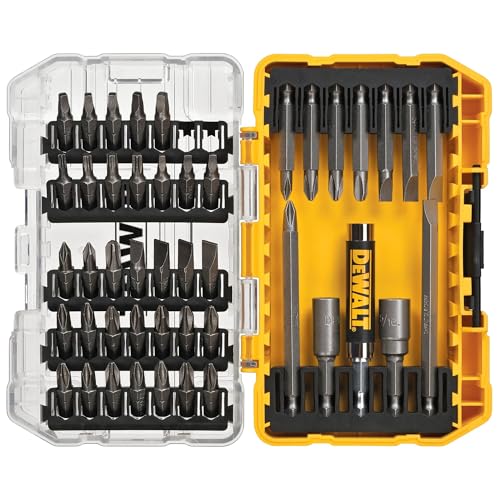
Stripped screw heads and sudden driver bit cam-out can bring any fastening job to a dead stop within seconds. High torque from an impact driver easily forces a worn bit out of the screw head, leaving marred workpieces and chewed metal. Investing in the Best Drill Bits For Philip keeps bits locked securely into fastener recesses, helping your tool transfer power smoothly without damaging delicate screw heads. Quality bits forged from shock-absorbing S2 alloy steel withstand heavy rotational impacts while maintaining their sharp cross-head profile through tough jobs. Whether assembling shop cabinetry or prepping stock for a woodworking oscillator sander, solid fastener engagement saves both time and materials.
Precision CNC machining on modern Phillips tips ensures a snug mechanical fit that resists premature rounded edges. Strong magnetized tips also balance screws during one-handed overhead driving, preventing drops in tight spaces. Careful analysis of tool steel hardness, bit length versatility, and user feedback highlights options that reliably prevent slip-ups. Matching your driver with dependable heavy-duty screwdriver bits ensures sustained torque delivery and clean fastening on every build.



Frequently Asked Questions
Why do Phillips drill bits slip and strip screws so frequently?
Cam-out occurs by design because original Phillips profiles were engineered to slip out under high torque to prevent overtightening. Modern drills and impact drivers deliver intense rotational force, causing unhardened tips to ride up and damage the screw head. Using precision CNC-machined S2 alloy steel bits and setting your drill clutch properly prevents this slippage.
What is the difference between standard Phillips bits and impact-rated bits?
Impact-rated Phillips bits feature a specialized torsion zone and heat-treated steel to absorb sudden torque spikes. Standard driver bits are brittle and snap quickly under the intense hammering action of an impact driver. Impact-ready bits flex slightly under load, extending tool life and protecting fastener recesses.
How do extended 6-inch Phillips bits affect torque delivery?
Extended 6-inch bits provide reach for deep recesses but introduce slight rotational flex under maximum torque. Keeping your drill perpendicular to the workpiece prevents wobble and bit deflection. With steady alignment, long bits drive fasteners just as securely as standard two-inch bits inside deep cabinetry or wall cavities.
Are magnetic Phillips bits safe for household assembly tasks?
Yes, magnetic Phillips bits are completely safe for general home assembly, woodworking, and automotive maintenance. The magnetized tip holds steel screws firmly in place for one-handed driving. Whether installing cabinet hinges or working alongside a compact detailing sander on furniture projects, magnetic tips speed up fastening and prevent lost screws.
Why is a #2 Phillips bit the most common size needed?
Phillips #2 (PH2) bits match the standard recess found on drywall screws, cabinet hardware, and general construction fasteners. While smaller PH1 bits fit electronics and PH3 bits fit heavy structural screws, the PH2 format handles most daily tasks. Upgrading to the Best Drill Bits For Philip in 2026 ensures you have matching PH2 spares ready for any project.
Should you use a drill clutch or an impact driver with Phillips bits?
An adjustable drill clutch offers superior control for Phillips fasteners compared to an impact driver. Setting the clutch collar to a moderate torque stop prevents overdriving and eliminates stripped screw heads. Impact drivers work well for heavy construction screws, but a sensitive clutch protects delicate trim and hardware.





Write Your Review
No reviews yet. Be the first to share your experience!