


Snapping a rusted exhaust bolt flush against an engine block turns a standard weekend repair into an absolute nightmare. When drill bits wander off-center into soft aluminum cylinder heads, the risk of chewing up factory threads or piercing water jackets skyrockets. Securing the best drill bits for manifold stud extraction restores alignment and gives you the biting power needed to drill out heat-hardened alloy bolts without wrecking the head. Much like prepping sheet metal with a da sander for bodywork, slow speeds and measured tool control make all the difference here.
Relying on high-grade cobalt left hand drill bits and precision guide templates ensures your drill chuck stays concentric to the damaged fastener. Stalling drills, stripped extractors, and thermal heat buildup often ruin standard drill bits on tough automotive exhaust flanges. Analysis of manufacturer specifications and mechanical shop feedback indicates that rigid steel alignment bushings, paired with low-RPM drilling and cutting lubricant, prevent bit walk and preserve critical engine blocks. Whether you are extracting sheared hardware from Ford Triton engines or Chevy LS platforms, matched tooling delivers reliable torque delivery without sudden catastrophic bit fracture.



Frequently Asked Questions
Why are left hand drill bits preferred for manifold stud extraction?
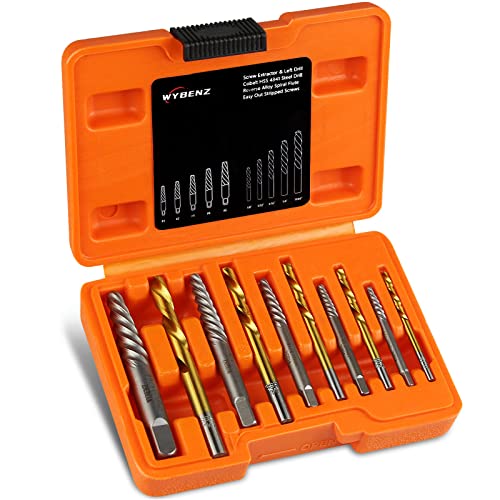
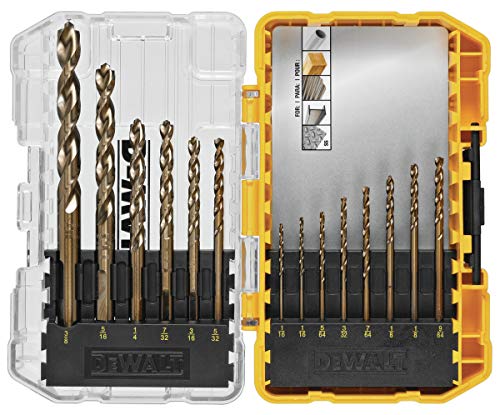
Left hand drill bits turn counterclockwise, which naturally helps back out broken fasteners as the cutting edges bite into the metal. Operating your variable speed drill in reverse transfers rotational torque directly into the broken stud, frequently loosening the threads before you even need an extractor. High-speed steel fortified with cobalt keeps cutting edges sharp under extreme friction while keeping heat buildup low.
What drill speed and clutch settings work best for drilling out broken studs?
Low RPM settings between 200 and 500 RPM deliver the cleanest cutting action without burning out the bit. Setting your dual-speed transmission to low gear provides maximum sustained torque and protects your cutting tips from glazing over. Applying steady pressure with a variable speed trigger while using cutting fluid prevents overheating and keeps the drill chuck stable throughout the cut.
How does a drill template protect the cylinder head during extraction?
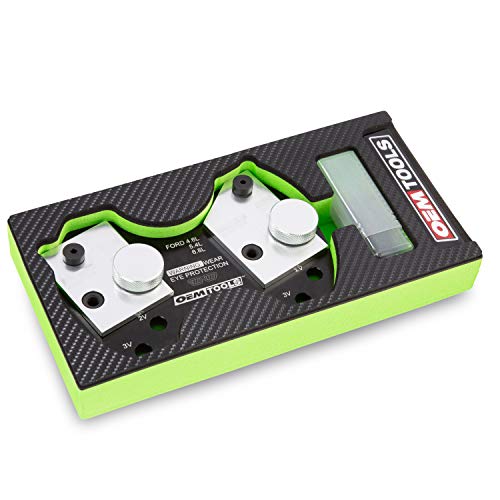
Precision drill templates lock directly onto undamaged manifold bolt holes using tapered alignment pins to center the drill bit exactly over the broken stud. Hardened steel slip bushings stop bit walk, preventing the drill from veering into delicate aluminum cylinder heads. Built-in depth gauges also stop you from drilling too deep and puncturing internal engine water jackets.
Can a standard cordless drill driver handle exhaust manifold stud drilling?
Yes, any quality cordless drill driver equipped with an all-metal keyless chuck and variable speed trigger can complete this task. The tool must provide steady low-speed control rather than high-speed hammering action. If you also balance various shop maintenance chores like smoothing engine bay parts with a detailing sander, having versatile power tools with smooth trigger modulation ensures clean results.
What makes cobalt drill bits better than titanium bits for exhaust studs?
Cobalt drill bits retain their cutting hardness at much higher temperatures than titanium-coated bits. Exhaust studs undergo severe thermal cycling that hardens the metal, making standard bits dull almost instantly. Cobalt alloys maintain structural rigidity and sharp cutting flutes throughout heavy drilling without losing temper.
How do I choose the Best Drill Bits For Manifold Stud of 2026 for my specific engine?
Selecting the Best Drill Bits For Manifold Stud requires matching the template bolt pattern and drill diameters directly to your cylinder head platform. Ford Triton V8 engines require specialized multi-valve plates, while GM LS motors demand specific metric spacing and tap aligners. Verifying your engine displacement and bolt thread pitch ensures your template bushings guide the pilot hole dead center.




Write Your Review
No reviews yet. Be the first to share your experience!