


Cracking Dense Slabs with Reliable Hammer Action
Burning out a carbide tip inside cured aggregate stops framing projects dead in their tracks. Standard rotary bits don’t last long against hard stone aggregate, leaving you with shallow holes and stuck anchors. Getting the best drill bits for basement floor slabs requires matching the carbide tip geometry and shank style directly to your tool chuck. Reinforced tungsten heads handle continuous percussion cycles without chipping, while wide flutes channel abrasive powder out of the hole quickly. Whether you are anchoring bottom plates for framing walls or prepping subfloor lumber alongside the best sander for floorboard projects, proper heat dissipation keeps your drilling speed fast from the first hole to the last.
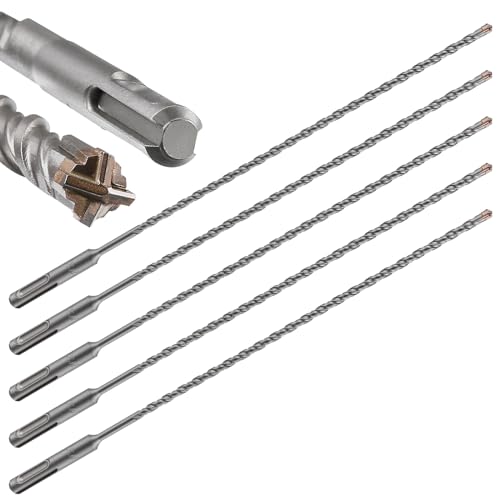
Based on manufacturer specifications and aggregated trade feedback, flute clearance speed matters just as much as cutting head hardness. Deep U-flutes and double-thread spirals evacuate fine concrete dust rapidly, which prevents friction binding inside deep holes and extends battery runtime on cordless hammer tools. A secure shank connection, such as an SDS-plus or a slip-resistant hex shank, delivers pure impact force directly into the slab rather than spinning loose inside your chuck. Equipping your rotary hammer with hardened masonry cutters ensures smooth mechanical anchor sets and prevents costly bit blowout across stubborn basement concrete.




Frequently Asked Questions
What makes SDS-plus bits better for poured concrete slabs?
SDS-plus shanks lock firmly into rotary hammer chucks to transfer direct pneumatic piston blows without slipping. Standard smooth round shanks can spin under heavy load, but grooved SDS shanks slide back and forth freely to maximize crushing force against dense aggregate. This slotted retention mechanism helps drive large masonry holes quickly while reducing strain on your tool motor.
Can standard cordless drill drivers drill into a basement floor?
No, a standard drill driver lacks the internal percussion mechanism necessary to pulverize hardened concrete. You need a dedicated hammer drill or a rotary hammer capable of generating thousands of blows per minute to fracture stone aggregate. Attempting to bore into concrete with rotary motion alone will overheat and ruin your drill bits within minutes.
How do you prevent masonry drill bits from overheating in concrete?
Clear stone dust frequently by pulling the bit partially out of the bore while the motor is spinning. Letting dust pack tightly around the flutes traps friction heat, which rapidly melts brazed carbide tips. Drilling at moderate RPMs with steady downward pressure keeps temperatures low and extends bit life over long jobs.
What diameter drill bit is needed for concrete anchor screws?
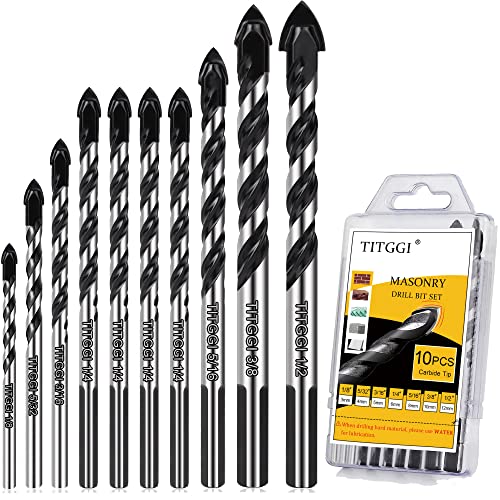
Standard 3/16-inch or 5/32-inch carbide bits are the most common sizes for driving concrete screws into a basement slab. Anchor screws require precise pilot holes matching the core shank diameter rather than the outer thread width. Using a bit with minimal chuck runout ensures the anchor threads bite into solid concrete without stripping the hole.
Why is surface prep important before coating or repairing a basement floor?
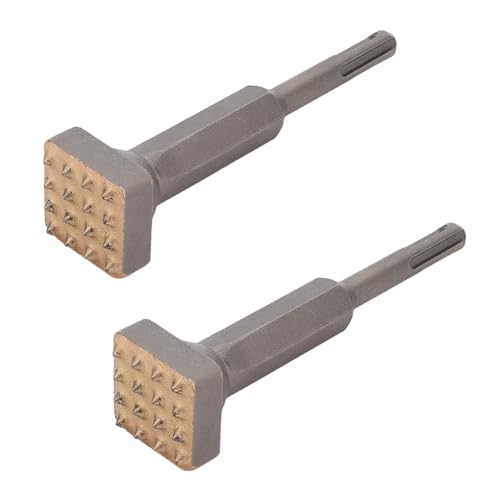
Concrete coatings require a roughened profile with open pores to form a lasting mechanical bond. Specialized bushing tools fracture smooth top layers rapidly, creating an ideal texture for overlays. If you are also smoothing nearby timber or partition walls, pairing concrete prep with tools like the best oscillator sander keeps your jobsite moving efficiently.
Which shank style works best for the Best Drill Bits For Basement Floor in 2026?
SDS-plus shanks provide the most reliable grip and impact transfer for heavy basement slab drilling in 2026. While 1/4-inch hex shanks work well in lightweight impact drivers for shallow pilot holes, SDS-plus grooves eliminate chuck slippage entirely when boring deep anchor holes in cured foundation concrete.




Write Your Review
No reviews yet. Be the first to share your experience!