


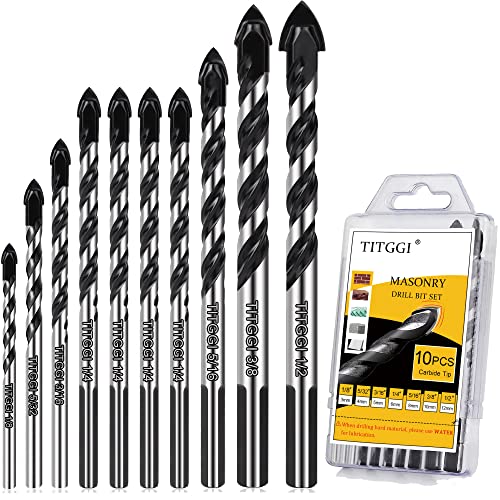
Blunt masonry tips slipping across hard sedimentary flags can easily chip an expensive patio slab before the hole even starts. Indian sandstone contains abrasive quartz layers that chew through standard high-speed steel and unhardened masonry cutters within seconds. Securing ledger boards, patio railings, or garden lighting requires the best drill bit for indian sandstone to bore clean holes without spalling the surface. Paired with proper rotational speed control, professional-grade tungsten carbide tips and vacuum-brazed diamond grit grind through natural stone layers while keeping blowout to an absolute minimum. Much like refining rough timber or stone edges with a detailing sander, controlled drilling preserves the finished look of the surrounding stonework.
Careful analysis of manufacturer specifications and trade feedback shows that standard percussion drilling often causes micro-fractures along natural stone bedding planes. Rotary-only drilling with diamond core bits or specialized multi-material carbide cutters delivers smoother penetration and stops bit bind-up. A solid three-flat shank or a 1/4-inch hex shank guarantees rigid chuck gripping, preventing frustrating bit slippage inside standard three-jaw keyless chucks under heavy lateral torque. Keeping rotational speed under control and using a light water mist limits thermal stress, preserving cutting edges across multiple anchor points.


Frequently Asked Questions
Should you use hammer action when drilling into Indian sandstone?
No, hammer mode should be turned off when drilling into Indian sandstone. The percussive impact of a hammer drill easily fractures the stratified layers of natural sandstone, causing severe blowout on the backside or cracking the entire slab. Running your drill driver in standard rotary mode protects the stone while diamond or carbide tips grind smoothly through the quartz grain.
What makes diamond core bits better than standard masonry bits for natural stone?
Vacuum-brazed diamond core bits grind through hard quartz without exerting heavy impact force. Natural sandstone is abrasive and dense, which quickly dulls traditional high-speed steel and standard two-cutter masonry bits. Diamond grit cuts cleanly along the outer perimeter of the hole, reducing thermal friction and preventing ragged edges on decorative paving flags.
How do you stop a drill bit from wandering on smooth sandstone pavers?
Start the hole at a 45-degree angle or use a carbide starter bit to create a pilot dimple. Smooth natural stone lacks texture for a core bit to bite directly. Angling a diamond core bit until it scores a shallow crescent, then gently rolling the tool upright keeps the bit centered without scratching surrounding flagstones. Smoothing any rough contact points with a small area sander before anchoring ensures hardware sits completely flush.
Do you need water when drilling Indian sandstone?
Yes, water cooling significantly extends bit life and suppresses harmful silica dust. While dry diamond bits feature internal cooling wax, applying a light trickle or spray of water keeps cutting edges cool during deep anchor drilling. Water also flushes abrasive slurry out of the flutes, preventing high-torque motor stalls and thermal stress on the bit shank.
What shank type provides the best grip for drilling dense sandstone?
A three-flat shank or a 1/4-inch hex shank delivers the most secure grip. Smooth round shanks frequently slip inside standard 1/2-inch keyless chucks when encountering dense quartz bands. Machined flats lock securely into three-jaw chucks, maximizing torque transfer from your drill driver and preventing chuck jaw wear during continuous hole boring.
What drill speed is recommended for drilling Indian sandstone?
Moderate speeds between 1,500 and 3,000 RPM provide the cleanest results. Excessive RPM generates rapid heat that melts brazing alloy, while very low speeds cause aggressive bit chattering. Using a variable speed trigger allows you to ease into the cut smoothly and maintain steady penetration through dense stone slabs.




Write Your Review
No reviews yet. Be the first to share your experience!