


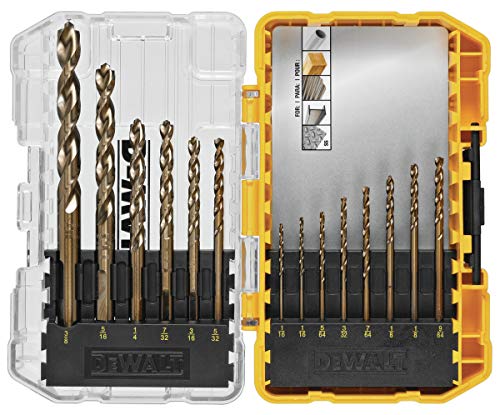
Sheared bolt heads and seized threads can halt an afternoon repair in seconds, leaving broken steel flush against an engine block or machinery frame. Standard twist drills often skate across hardened fastener tops, dulling cutting edges and ruining thread channels before making any real progress. Finding the best drill bit for bolt extraction requires hardened cutting flutes, precise centering grinds, and reverse-flute profiles that grab frozen metal without walking off-center. When tackling rusted mechanical assemblies or detailed auto body paint prep and panel repairs, having proper extractor geometry ensures clean center holes and reliable fastener removal.
Left-hand spiral flutes and high-speed M2 steel bits deliver the sustained cutting bite needed to penetrate Grade 5 or Grade 8 fasteners. Reversing your drill chuck creates counterclockwise friction, which frequently backs out loose broken studs before you even reach for a dedicated flute extractor. Based on manufacturer specifications and common workshop feedback, paired extractor kits featuring 135-degree split points prevent pilot hole wander while reducing excessive radial runout. Investing in the right extraction tooling protects costly castings, saves valuable garage hours, and turns a catastrophic sheared fastener into a quick, routine cleanup.
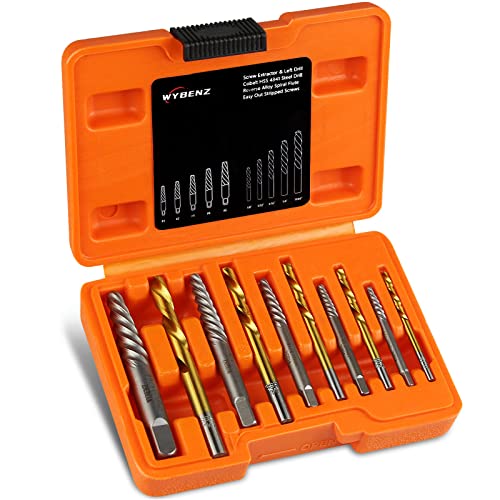


Frequently Asked Questions
Why are left-hand drill bits preferred for broken bolt extraction?
Left-hand drill bits rotate counterclockwise, which applies loosening torque directly to the broken bolt threads while boring the pilot hole. As the cutting edge bites into the metal, friction and vibration often back the broken fastener out naturally before an extractor tool is even needed. Using a variable speed cordless drill in reverse at low RPM maximizes this gripping effect without overheating the cutting tip.
What drill speed is recommended when drilling into a broken steel bolt?
Low rotational speed between 200 and 500 RPM delivers the best cutting results while preventing heat buildup in hardened steel fasteners. Running a drill driver too fast work-hardens the bolt surface and dulls high-speed steel flutes almost instantly. Applying firm, steady downward pressure while modulating the variable speed trigger allows the 135-degree split point to bite cleanly into the center mark.
Can a hammer drill mode be used for bolt extraction?
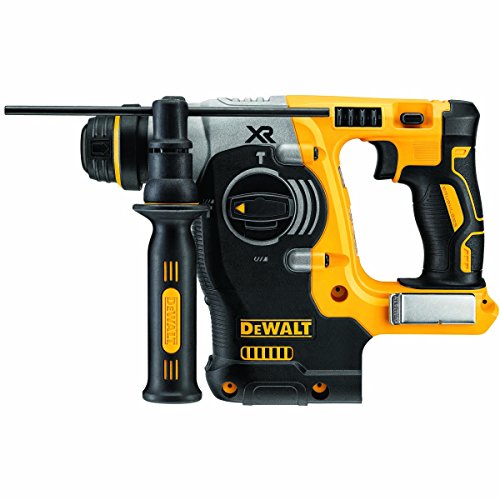
No, hammer drill mode should never be engaged when boring pilot holes for bolt extractors. Percussive hammering can fracture brittle high-speed steel extractors, damage surrounding internal housing threads, and cause the drill bit to skate off target. A standard rotary drill driver with a sensitive mechanical clutch or smooth trigger modulation provides the delicate control needed for pilot hole accuracy.
How do you prevent a drill bit from wandering on a jagged broken bolt?
Filing the broken bolt face flat and striking a deep indentation with an automatic center punch keeps the bit securely positioned. Grinding away uneven metal jaggedness gives the bit chisel point a stable surface to seat against. Workshop technicians frequently smooth surrounding jagged burrs using tools like a detailing sander or a rotary hand file before seating the punch, ensuring dead-center pilot alignment.
Does the Best Drill Bit For Bolt need to be made of cobalt or M2 high-speed steel?
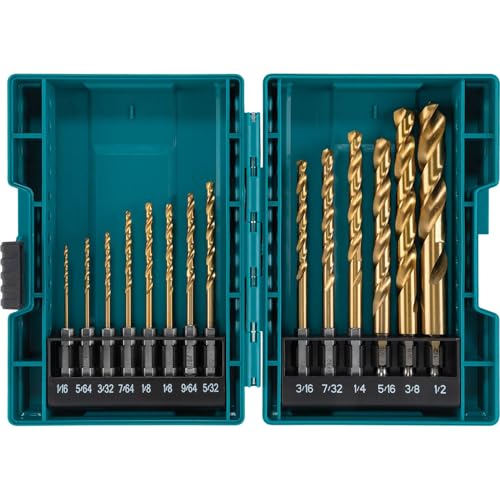
M2 high-speed steel or cobalt alloys are necessary to penetrate hardened automotive and structural Grade 8 bolts. Standard carbon steel bits soften quickly against heat and will simply spin without biting into hardened fasteners. Selecting premium HSS or cobalt extractors in 2026 ensures the cutting flutes maintain sharp edges under sustained friction and torque loads.
What size drill bit should be selected for an extractor?
The drill bit diameter should match roughly one-third to one-half the total diameter of the broken bolt. Boring too large of a hole weakens the bolt walls, causing them to expand outward against the host threads when the extractor wedges inside. Following the extractor manufacturer sizing chart guarantees enough wall thickness to turn the fastener out smoothly.




Write Your Review
No reviews yet. Be the first to share your experience!