


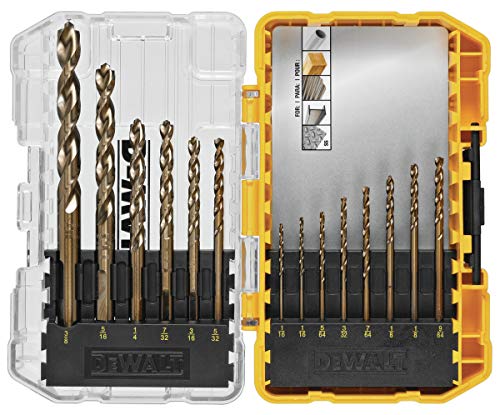
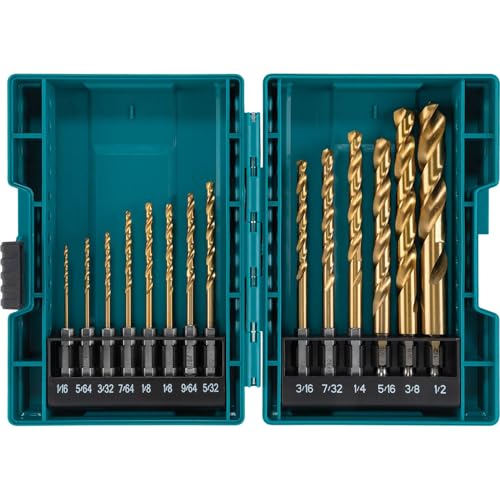
Drilling through thick structural steel flanges demands intense thermal resistance and rigid flute stability, which standard twist drills fail to sustain under high friction. The best drill bit for steel beam requires specialized cutting alloy compositions and split-point geometries capable of clearing heavy metal chips without dulling prematurely. Cobalt alloys and hardened high-speed steels maintain their cutting hardness under extreme thermal loads, ensuring steady feed rates through dense I-beams without snapping under sudden torsional torque. Matching rotational speed with consistent downforce prevents work hardening, allowing clean penetration through heavy structural steel.
Aggressive 135-degree split points eliminate wandering across smooth beam surfaces, establishing immediate bite without punch indentations. Thick web designs deliver structural rigidity against chatter, while reduced shanks fit standard half-inch drill chucks for heavy fabrication tasks. Smoothing rough exit burrs on surrounding materials often pairs well with workshop cleanup using a reliable detailing sander to prepare surfaces for structural fasteners or welds. Based on manufacturer specifications and aggregated feedback from metal fabricators, investing in the best drill bit for steel beam saves valuable labor hours and prevents expensive bit breakage on heavy ironwork.


Frequently Asked Questions
What material makes the best drill bit for steel beam perform best on structural steel?
Cobalt alloy steel provides the highest heat resistance and edge retention for boring through dense steel beams. Unlike standard high-speed steel, cobalt blends contain five to eight percent cobalt, maintaining cutting hardness under extreme thermal loads even at elevated drilling temperatures. This thermal stability prevents cutting edges from softening during long, high-friction cycles in thick structural iron.
Why do drill bits burn out when drilling into thick steel beams?
Excessive drill rotational speed and dry friction cause premature bit burnout in structural metal. Running a drill motor at high RPM generates extreme thermal build-up that exceeds the temper threshold of the cutting edge, destroying sharpness within seconds. Maintaining low RPM settings, applying firm downforce, and adding cutting fluid keep temperatures manageable for sustained hole cutting.
Do you need a pilot hole when boring large holes through a steel beam?
Yes, pre-drilling a smaller pilot hole significantly reduces motor strain and prevents bit wandering when creating holes larger than 3/8-inch. A pilot hole allows the chisel edge of a larger bit, such as an 11/16-inch or 3/4-inch reduced shank bit, to enter without resisting dead-center metal. This staged technique preserves the life of the best drill bit for steel beam while delivering cleaner, more concentric structural bolt holes.
What is the ideal drill point angle for structural steel drilling?
A 135-degree split point is the preferred geometry for boring structural steel beams. Flatter 135-degree angles engage more cutting surface quickly and resist chipping better than steep 118-degree points. The self-centering split point design also bites into smooth steel immediately, preventing bit skate across beam flanges without requiring a center punch.
How should you clean up burrs after drilling holes in steel beam assemblies?
Deburring tools, chamfer bits, or a workshop oscillator sander fitted with abrasive pads quickly smooth sharp metal flashings around drilled holes. Removing these jagged metal edges ensures structural fasteners seat flush against the beam surface. Smoothing adjacent surfaces also protects hands, prevents snagged wiring, and keeps structural connections tidy.




Write Your Review
No reviews yet. Be the first to share your experience!