


Slick zinc plating on galvanized panels frequently deflects standard high-speed steel twist bits, sending cutting tips skating across sheet metal. Hard zinc layers create intense friction, which quickly dulls standard points and causes bits to bind in keyless drill chucks. Careful analysis of flute geometry, cobalt blending, and tip grind angles reveals why choosing the best drill bit for galvanized steel makes a significant difference. High-performance M35 cobalt alloys and step unibits withstand scorching heat while cutting through bonded zinc-iron coatings without losing their edge.
Metal fabricators and HVAC installers frequently battle jagged burrs after boring holes through ductwork or steel framing studs. Smoothing raw sheet edges with a detailing sander for tight spaces cleans up rough seams, but clean hole geometry begins right at the drill tip. Split-point 135-degree tips bite instantly into slick zinc without wandering, eliminating center punching. Step bits with spiral flutes eject zinc shavings smoothly, reducing motor bog-down on cordless drills. Using bits engineered with flat shank grips ensures maximum torque transfer and keeps cutters spinning true under pressure.


Frequently Asked Questions
Why do standard drill bits dull quickly in galvanized steel?
Standard high-speed steel bits dull rapidly because galvanized steel features a dense zinc-iron alloy layer that generates intense friction. This frictional heat softens standard cutting edges within seconds of contact. Using M35 cobalt twist bits or TiAlN coated step drills resists thermal breakdown and preserves flute sharpness. Running your drill at lower speeds with steady pressure also prevents cutting tips from burning.
Is a step drill bit better than a twist bit for galvanized sheet metal?
Yes, step drill bits provide cleaner holes and superior control in thin galvanized sheet metal up to 1/8-inch thickness. Twist drill bits often grab thin metal, tearing sheet edges and twisting workpieces. Step unibits enlarge holes incrementally, which prevents chuck bind-up and cleanly deburrs the hole rim. Smoothing adjacent metal surfaces with a DA sander for bodywork removes remaining burrs before assembly.
Can impact drivers run the Best Drill Bit For Galvanized Steel effectively?
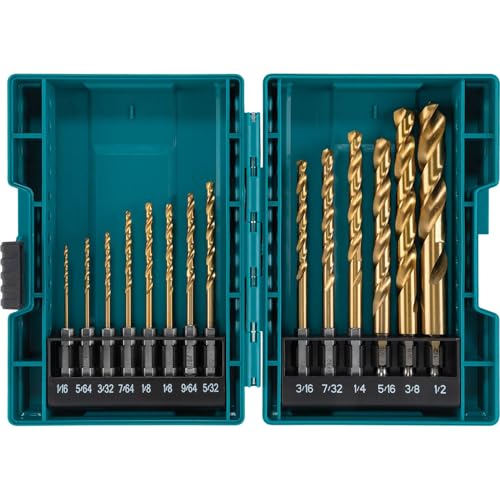
Yes, impact drivers can drive hex-shank cobalt drill bits effectively through galvanized metal when working in cramped stud bays. Quick-change 1/4-inch hex shanks prevent bit slippage inside impact collets. However, rotational hammering can crack brittle cobalt bits under aggressive lateral force. A variable-speed drill driver running in low gear offers smoother RPM control and cleaner chip removal.
What drill speed is recommended for drilling galvanized steel?
Low drilling speeds between 300 and 700 RPM deliver clean holes without overheating your cutting flutes. High RPM settings glaze the protective zinc coating, generating excess heat that work-hardens the base steel. Setting your drill transmission to low gear and applying firm, steady pressure pulls continuous metal curls rather than fine dust. Adding cutting lubricant further extends bit life.
Does a 135-degree split point offer an advantage over a standard 118-degree tip?
Yes, a 135-degree split point prevents the bit from walking across slick galvanized surfaces without requiring a center punch. The flatter point profile bites into tough metal instantly and spreads cutting resistance evenly across the cutting lips. This reduces the motor thrust required from your cordless drill and minimizes wrist fatigue during repetitive tasks.




Write Your Review
No reviews yet. Be the first to share your experience!