


Drilling into fiberglass or marine gelcoat without splintering the surface or shredding woven glass fibers creates massive headaches in any boatyard or workshop. Standard twist drill bits often grab aggressively, causing spider cracks across brittle finishes and dulling cutting flutes within seconds. Securing the best drill bit for fiberglass prevents delamination while maintaining clean hole edges across resin panels, composite hulls, and electrical enclosures. Matching the correct 135-degree split point or diamond abrasive rim to your variable speed drill driver keeps cutting temperatures low and stops bit wandering before it ruins an expensive workpiece.
Careful analysis of manufacturer specifications, flute geometry, and abrasive grit coatings shows that controlling feed pressure and rotational speed makes all the difference. High-speed steel with titanium coating sheds friction, while diamond hole saws grind away dense glass cloth smoothly without snagging the substrate. If you are prepping auto panels or composite trim alongside standard bodywork, smoothing your surrounding surfaces with a reliable best da sander for bodywork helps maintain an even finish. Aggregated user feedback confirms that proper drill chuck retention and steady torque delivery preserve sharp cutting edges through repeated cuts in tough fiberglass composites.




Frequently Asked Questions
Which type of drill bit prevents cracking when penetrating fiberglass?
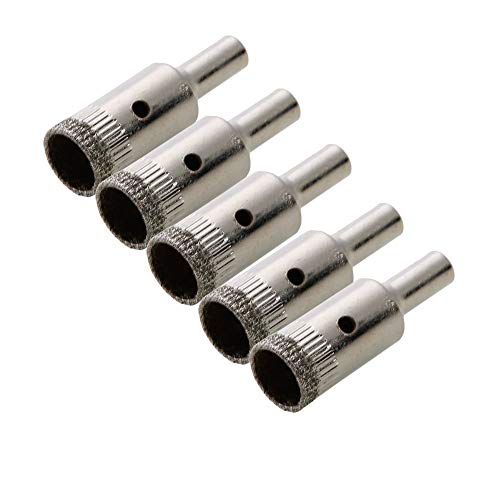
Diamond hole saws and 135-degree split point twist bits work best for preventing cracks in fiberglass. Standard 118-degree bits tend to bite too aggressively into the resin matrix, grabbing and fracturing brittle gelcoat layers. In contrast, diamond grit rims grind through abrasive glass fibers cleanly without snagging. High-speed steel bits with titanium coating also perform well if you operate your drill driver at moderate speeds with gentle feed pressure.
Should you run a cordless drill at high or low RPM in fiberglass?
Low to moderate RPM settings between 500 and 1,000 RPM are ideal for boring fiberglass. Running at excessively high motor speeds creates intense friction that scorches the polyester or epoxy resin, rapidly dulling the cutting edge. Maintaining controlled trigger modulation prevents overheating and thermal damage to the composite structure. Backing off drill speed keeps both the workpiece and your bits in top condition.
Can regular twist drill bits handle tough composite materials?
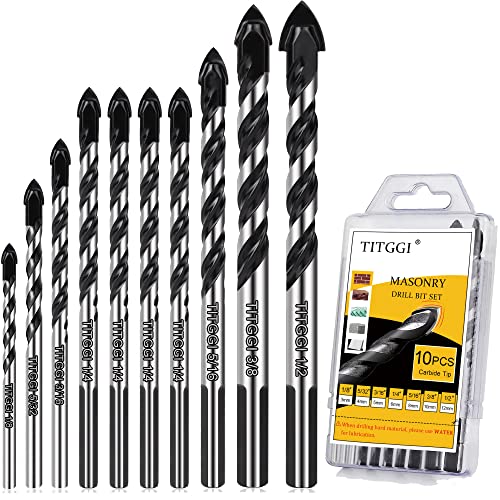
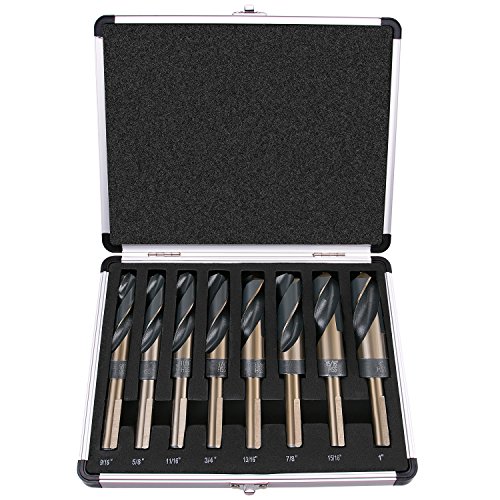
Yes, high-speed steel twist bits can cut fiberglass, but they wear down much faster than coated or diamond alternatives. The glass strands act like sandpaper against cutting flutes, quickly degrading standard steel edges. Titanium-coated bits or premium black and gold oxide bits resist this abrasive wear significantly longer. To clean up rough edge burrs after boring, using a best detailing sander ensures smooth edges without chipping delicate surrounding laminates.
How do you stop gelcoat from chipping around drilled holes?
Applying high-tack masking tape over the drill mark and running the bit in reverse first prevents chipped gelcoat. Spinning the bit in reverse scores the glossy topcoat without catching the brittle resin. Once through the top surface layer, switch the drill forward and bore through the inner laminate with light downward force. Backing the backside of the panel with a scrap wooden block also stops exit tear-out.
Is a 1/2-inch keyless chuck necessary for drilling fiberglass?
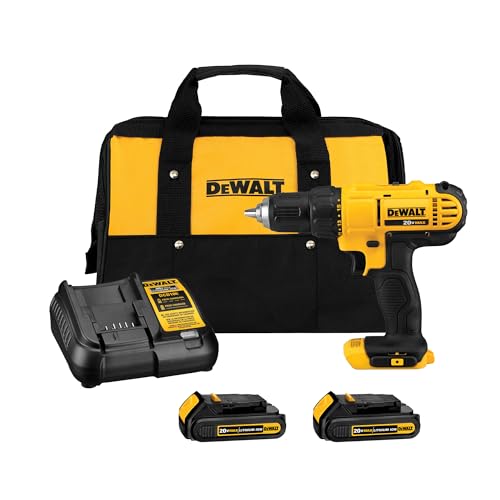
A 1/2-inch keyless chuck is not strictly required, but it delivers superior grip security for larger hole saws. Smaller twist bits with 1/4-inch hex shanks or 3-flats shanks seat securely in standard 3/8-inch chucks without slipping under resistance. However, larger diamond hole saws benefit from the rigid ratcheting lock of a heavy-duty chuck to eliminate rotational wobble. Stable bit alignment minimizes erratic vibration that causes stress fractures in delicate composites.
Do you need water cooling when drilling holes in fiberglass?
Water cooling is highly recommended when operating diamond-coated hole saws through thick fiberglass. A steady mist of water flushes abrasive composite slurry away from the cutting rim and keeps operational temperatures well below the resin degradation point. When using twist bits on thin panels, dry drilling is acceptable as long as you clear flutes frequently and pause to dissipate heat. Keeping the cut cool dramatically extends tool life during 2026 projects.



Write Your Review
No reviews yet. Be the first to share your experience!