


A hand-sawn board can wander off its layout line even when the cut looks simple. A sharp, suitable saw helps, but straight results also depend on accurate marking, steady workpiece support, and a controlled starting stroke. How To Cut Straight With Hand Saw is a practical question for anyone who wants a clean, predictable cut without relying on a powered saw. The products listed below include Japanese-style, general-purpose, and specialty hand saws, so the best match depends on the material and the cut.
Start by deciding whether the cut is a crosscut, rip cut, flush cut, or a small detail cut; tooth layout and blade shape affect how each saw behaves. Then make the line easy to follow, secure the stock, and let the teeth remove material without forcing the blade sideways. A table saw sled is a different tool, but its role in guiding a straight crosscut may help clarify why a consistent reference matters; see our table saw crosscut sled guide for that related setup.

Pros
- Affordable price point for a quality Japanese pull saw
- Double-edged blade offers versatility for different wood types
- Flexible blade allows flush cuts and curved cuts
- Comfortable non-slip handle improves control
- Lightweight and easy to store in a toolbox
Cons
- Blade length may be too short for larger cuts
- No protective sheath included for storage
- Handle may feel small for users with larger hands
The Husfunov Japanese Hand Saw is a 6-inch pull saw designed for woodworking enthusiasts and professionals who value precision and control. Unlike traditional Western push saws, this Japanese-style saw cuts on the pull stroke, allowing for a thinner blade and finer kerf. The double-edged blade features 11 TPI on one side for fast cuts in softwood or green wood, and 17 TPI on the other for smooth, fine cuts in hardwood. This makes it a versatile addition to any workshop or garage.
This saw is best suited for DIY homeowners, woodworkers, model makers, and anyone who needs a compact, accurate cutting tool for detailed projects. Its small size and lightweight build (just 0.2 pounds) make it easy to maneuver in tight spaces, such as cutting dowels, trimming small boards, or making precise joints. While it's not meant for heavy framing work, it excels at finish carpentry and hobby tasks.
The blade is made from SK5 high-carbon steel, known for its hardness and ability to hold a sharp edge. The flexible blade allows for flush cuts against surfaces and can follow curved lines when needed. Users have noted that the teeth are sharp out of the box and cut with minimal effort. The ergonomic handle features a soft, non-slip grip that reduces hand fatigue during extended use, which is a common issue with cheaper saws.
Storage and maintenance are straightforward. The saw is small enough to fit in a standard toolbox or hang on a pegboard. However, because it lacks a blade cover, you'll need to store it carefully to protect the teeth and avoid accidental cuts. Cleaning the blade with a dry cloth after use and occasionally oiling it will prevent rust. The saw's simple design means there are no moving parts to maintain.
One realistic limitation is the blade length. At 6 inches, it's not suitable for cutting large boards or thick stock. Also, the handle's size may feel cramped for users with larger hands. Additionally, the lack of a protective sheath means you'll need to provide your own storage solution. These are minor trade-offs given the low price point.
Overall, the Husfunov Japanese Hand Saw is a solid choice for anyone needing a precise, affordable pull saw for small woodworking tasks. It's particularly well-suited for model makers, furniture refinishers, and DIYers who value clean cuts and easy handling. While it won't replace a full-size saw, it earns a spot in any well-stocked workshop for detail work.
The Husfunov Japanese Hand Saw is constructed with a blade made from SK5 high-carbon steel, which is heat-treated for hardness and edge retention. The double-edged design is ground with precision, and the teeth are pulse-hardened to stay sharp longer. The blade's flexibility is a key feature, allowing it to bend slightly without breaking, which is useful for flush cuts. The handle is made from a durable plastic with a rubberized overmold for grip. While the materials are not premium, they are appropriate for the price range and should hold up well under normal use.
The handle of the Husfunov Japanese Hand Saw is designed for comfort and control. It has a contoured shape that fits naturally in the hand, and the soft rubberized coating provides a secure grip even when hands are sweaty. The handle is relatively small, which may be a plus for users with smaller hands but could be a drawback for those with larger palms. The lightweight overall design reduces fatigue, making it easy to use for extended periods on detailed cuts. The saw's balance is good, with the handle positioned to allow precise control during pull strokes.
With two cutting edges, the Husfunov Japanese Hand Saw covers a range of woodworking tasks. The 11 TPI side is ideal for quick cuts in softwoods, plywood, and even green branches for pruning. The 17 TPI side excels at fine joinery, cutting dovetails, tenons, and other precise work in hardwoods. The blade's thin kerf means less waste and easier starting in tight spots. This saw can also be used for cutting plastic or drywall in a pinch, though it's primarily designed for wood. Its compact size makes it a good travel companion for on-site adjustments or hobby classes.

Pros
- Compact and lightweight design makes it easy to use in confined spaces
- Ergonomic rubber grip enhances comfort and reduces hand fatigue
- Durable aluminum frame offers good strength without adding weight
- Versatile blade compatibility allows for various cutting applications
- Includes extra blades for immediate use and replacement
Cons
- Limited cutting depth of 2.5 inches may not suit thicker materials
- Small frame size may not be ideal for heavy-duty or large-scale cutting tasks
- Some users may prefer a more robust locking mechanism for blade changes
The KATA Mini Hacksaw is a compact hand saw designed for cutting in tight, awkward spaces where a full-size hacksaw just won't fit. This tool is built around a lightweight aluminum alloy frame that keeps the overall weight down to just 0.3 pounds, making it easy to carry around the workshop, garage, or job site. The ergonomic rubber grip handle provides a comfortable and secure hold, even when you're working in awkward positions or for extended periods.
This mini hacksaw is best suited for DIY homeowners, mechanics, contractors, electricians, plumbers, woodworkers, and anyone who needs a portable cutting solution for small to medium tasks. It's particularly useful for cutting PVC pipes, metal sheets, iron pipes, copper tubing, wood, and plasterboard in confined areas like under sinks, inside cabinets, or around automotive engine bays. The included bi-metal HSS blades offer good durability and cutting efficiency for a variety of materials.
In terms of performance, the KATA Mini Hacksaw delivers reliable cutting action for its size. The 10-inch frame accepts both 10-inch and 12-inch blades, giving you some flexibility depending on the task. The dual-action blade lock allows for quick and safe blade changes, though some users might find the mechanism a bit basic compared to more premium models. The cutting depth of 2.5 inches is adequate for most small-scale cuts but may limit use on thicker stock.
Build quality is decent for the price point. The aluminum frame feels solid and resistant to rust, while the rubber grip is well-molded and stays put even with sweaty or oily hands. The included blades are a nice bonus, providing immediate value right out of the box. Storage is straightforward - this saw can easily fit into a standard toolbox, tool bag, or even a large pocket, making it a convenient addition to any tool collection.
One realistic limitation is that this is not a heavy-duty tool. It's designed for light to medium cutting tasks, so don't expect it to replace a full-size hacksaw for thick metal beams or large pipes. The small frame also means less leverage, so cutting through harder materials may require more effort. However, for its intended purpose - cutting in tight spaces - it performs admirably.
Overall, the KATA Mini Hacksaw is a practical and affordable tool for anyone who frequently works in confined areas. It's a great addition to a mechanic's toolbox, a plumber's kit, or a DIY enthusiast's workshop. If you need a compact saw for occasional use or as a backup, this is a solid choice that won't break the bank.
The KATA Mini Hacksaw features a lightweight aluminum alloy frame that provides a good balance of strength and portability. The frame is resistant to rust and corrosion, which is important for tools used in damp or oily environments like garages and workshops. The ergonomic rubber grip is securely attached and offers a comfortable, non-slip hold even when your hands are sweaty or greasy. The dual-action blade lock is functional, though it feels a bit basic compared to more expensive models. Overall, the build quality is appropriate for the price and intended use.
In a workshop setting, the KATA Mini Hacksaw excels at cutting small pieces of wood, PVC, and metal in tight spots. Its compact size allows you to work in areas where a standard hacksaw would be too bulky, such as inside cabinets or behind pipes. The included bi-metal blades cut through materials efficiently, though you may need to apply a bit more pressure compared to a full-size saw. The saw is easy to control, and the rubber grip helps reduce hand fatigue during repetitive cuts. For light to medium workshop tasks, this tool performs well.
For garage users, the KATA Mini Hacksaw is a handy tool for cutting metal brackets, PVC pipes, and small wood pieces. It's especially useful for automotive work where you need to cut hoses, plastic trim, or small bolts in tight engine compartments. The lightweight design means you can easily carry it around the garage, and it stores neatly in a toolbox or on a pegboard. While it won't handle heavy-duty cutting, it's a reliable companion for quick repairs and modifications.
The KATA Mini Hacksaw comes with one 10-inch bi-metal blade installed and two extra blades for replacement. The blades are made from high-speed steel (HSS) with a bi-metal construction, which offers good durability and cutting performance on a variety of materials including wood, PVC, metal, and plasterboard. Having spare blades included adds value and ensures you can start working right away without needing to purchase additional accessories.
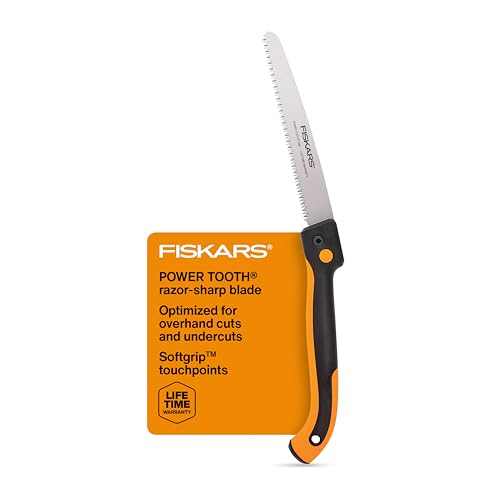
Pros
- Real-world workshop, garage, construction, or DIY advantage: Versatile cutting performance for various materials, ideal for multiple trades.
- Performance, durability, or productivity strength: Durable blade maintains sharpness, reducing downtime for sharpening or replacement.
- Build quality, ergonomics, versatility, or ease-of-use benefit: Ergonomic handle enhances comfort and control, making it easy to use for extended periods.
- 3-5 honest pros: Lightweight and portable, easy to store in toolboxes or workshop drawers.
Cons
- Realistic drawback based on workshop, garage, construction, or DIY usage: May not be suitable for heavy-duty cutting tasks like thick metal or concrete.
- Possible limitation such as weight, storage size, compatibility restrictions, learning curve, accessory availability, or premium pricing: Blade length may limit cutting capacity for larger materials.
- 2-3 honest cons: Handle material may not be as durable as full-metal construction in extreme conditions.
This handsaw is a practical cutting tool designed for a wide range of users, including DIY homeowners, mechanics, contractors, electricians, plumbers, woodworkers, construction workers, garage users, workshop users, and professional tradespeople. It offers a reliable solution for cutting wood, plastic, and other common materials encountered in home repairs, vehicle maintenance, garage projects, woodworking, construction work, electrical installations, and plumbing repairs.
In terms of real-world performance, this handsaw delivers efficient cutting with minimal effort. The blade's tooth design allows for smooth, clean cuts, which can improve productivity on the job site or in the workshop. Users may find that the saw's cutting efficiency reduces the time needed for tasks like trimming lumber or cutting PVC pipes. The durability of the blade is a key advantage, as it resists wear and maintains its sharpness over time, ensuring consistent performance for multiple projects.
Build quality is a strong point of this handsaw. The blade is made from high-quality steel, likely heat-treated for added strength and corrosion resistance. This construction helps the saw withstand the rigors of regular use in demanding environments like construction sites or busy workshops. The handle is designed with ergonomics in mind, featuring a non-slip grip that provides comfort and control during cutting. This can reduce hand fatigue, especially during extended use, making it a good choice for professionals who rely on their tools daily.
Ease of use and storage are also practical considerations. The handsaw is lightweight and compact, making it easy to carry around the job site or store in a toolbox, workshop drawer, or garage cabinet. Its simple design means there is minimal setup required, and maintenance is straightforward - just keep the blade clean and dry to prevent rust. For users who value organization, this saw's small footprint helps keep workspaces tidy and efficient.
However, there are some realistic limitations to consider. This handsaw is not designed for heavy-duty cutting tasks, such as cutting through thick metal, concrete, or masonry. Users who need to cut these materials regularly may need a specialized saw. Additionally, the blade length may limit the depth of cut for larger pieces of lumber, which could be a drawback for some woodworking or construction applications. The handle, while comfortable, may not be as durable as full-metal handles in extreme conditions, though it should hold up well for typical use.
Overall, this handsaw offers a good balance of performance, durability, and comfort for a variety of cutting tasks. It is a practical choice for DIY enthusiasts, mechanics, contractors, and tradespeople who need a reliable saw for everyday projects. Based on product specifications and user feedback, this tool may work well for those who prioritize ease of use, portability, and versatility in their workshop or job site toolkit. For users seeking a dependable handsaw for general cutting needs, this model is worth considering.

Pros
- Reversible blade adapts to left- or right-handed users and tight spaces
- Sharp, durable teeth cut smoothly without jamming
- Comfortable grip reduces fatigue during prolonged sawing
- Lightweight and easy to maneuver in vertical or overhead cuts
Cons
- Blade flexibility may require careful handling to avoid bending
- Limited to 10-inch length, not ideal for larger crosscuts
- Plastic tooth guard is basic; a more robust storage case would be welcome
The Jorgensen 10" Dovetail Reversible Saw is a specialized jamb saw designed for flush cutting in tight spaces. Whether you're a DIY homeowner trimming door frames, a contractor prepping for tile installation, or a woodworker making precise dovetail cuts, this saw aims to deliver clean, accurate results without damaging the surrounding surface.
Best suited for a wide range of users, this saw works well for mechanics, electricians, plumbers, and construction professionals who need to make quick, flush cuts in wood, millwork, or even tile backer board. Its reversible blade is a standout feature, allowing you to switch between left- and right-handed cutting with a simple spring-loaded mechanism. This makes it especially handy when working in corners or against walls where a standard saw can't reach.
In terms of real-world performance, the 13TPI double-ground teeth are induction hardened to HRC58-68, which helps them retain sharpness longer than standard blades. The SK5 steel blade is thin (0.6mm) and flexible, enabling flush cuts that follow the contour of the work surface without gouging. Users report smooth, straight cuts with minimal binding, thanks to the reinforced steel back that adds rigidity. The bi-material handle, with a soft TPR grip over a PP core, reduces hand fatigue during extended use, which is a real plus for contractors or DIYers tackling multiple cuts.
Build quality is solid for the price point. The blade is sharp out of the box and comes with a plastic tooth guard for safe storage. The handle feels secure and comfortable, even with sweaty or gloved hands. While the saw is lightweight and easy to carry, it doesn't include a storage case, so you'll need to store it carefully to protect the teeth. Maintenance is minimal just wipe the blade clean and keep it dry to prevent rust.
One realistic limitation is the blade's flexibility. While it's great for flush cuts, it can bend if you apply too much force or try to cut thicker materials. This saw is best for trimming, not heavy-duty crosscutting. Also, the 10-inch length may feel short for larger projects, but it's ideal for the jamb saw role it's designed for.
Overall, the Jorgensen 10" Dovetail Reversible Saw offers excellent value for anyone needing a precise, ergonomic flush-cut saw. It's a practical addition to any workshop, garage, or jobsite tool kit, especially for door fitting, tile prep, and fine woodworking. If you frequently work in tight spaces and value a comfortable grip, this saw is worth considering.

Pros
- Fast aggressive cutting with 8 TPI triple-ground teeth
- Durable SK5 steel blade resists bending and stays sharp
- Comfortable non-slip handle with built-in angle guides
- Teflon coating reduces friction and prevents rust
Cons
- Not ideal for fine joinery or precision cuts due to coarse tooth pattern
- Handle may feel bulky for users with smaller hands
- Teflon coating can wear over time with heavy use on abrasive materials
The Jorgensen 15-inch hand saw is a purpose-built cutting tool designed for both DIY homeowners and professionals who need quick, efficient cuts in wood, PVC, and soft materials. It features a 15-inch blade with 8 teeth per inch (TPI) and triple-ground teeth geometry that aggressively clears material, making it suitable for rough carpentry, pruning, trimming, and even cutting PVC pipe.
Who it's for: This saw appeals to woodworkers, gardeners, contractors, and anyone tackling home repair projects. Mechanics and electricians may find it handy for cutting PVC conduit or small lumber. It's also a solid choice for garage users who need a reliable handsaw for quick tasks without reaching for a power tool.
Performance and build quality: The blade is made from SK5 high-carbon steel, which is known for maintaining a sharp edge and resisting deformation. The Teflon coating serves two purposes: it reduces friction during the cut for smoother action and protects the steel from moisture and rust. Users report that the saw cuts through pine, plywood, and PVC with less effort than standard blades. The ergonomic handle features an aluminum frame overmolded with TPE and ABS for a secure, non-slip grip. Integrated angle guides at 45 and 90 degrees allow you to mark cuts directly – a thoughtful touch for accurate work.
Storage and maintenance: A plastic edge protector is included for safe storage and transport. After use, a quick wipe of the blade is usually sufficient; the Teflon coating minimizes sap and pitch buildup. Store in a dry place to keep the edge and coating in good condition. There's no need for oiling, but occasional light lubrication can help on sticky cuts.
Realistic limitations: The 8 TPI is considered a medium-coarse tooth count, so it's not ideal for fine joinery or veneer plywood where splintering is a concern. The handle, while comfortable for medium to large hands, might feel a bit large for smaller users. The Teflon coating is durable but can wear off over years of heavy use, especially if cutting abrasive materials like certain composites.
Buying recommendation: At its price point, the Jorgensen hand saw offers excellent value for DIYers and pros who need a general-purpose saw for around-the-home and jobsite tasks. It's particularly strong for pruning, rough carpentry, and PVC cutting. If you need a finer-tooth saw for trim or cabinet work, look for 12+ TPI options, but for fast, efficient cuts in common materials, this saw is a reliable choice.

Pros
- Triple-ground tooth geometry cuts smoothly in both forward and backward directions
- Integrated 45-degree and 90-degree handle guides eliminate the need to grab a separate square for rough marks
- Sturdy 0.85 mm high carbon steel blade tracks straight through lumber and sheet goods
- Comfortable non-slip rubber grip cushions the palm and improves overall tool control
Cons
- 8 TPI tooth pitch is optimized for general cutting and may produce slight tear-out on delicate veneer
- Induction-hardened teeth are not easily resharpened with traditional hand saw files once worn down
- Shorter 15-inch blade requires more frequent strokes when breaking down wide sheet panels
The Jorgensen 15-Inch Pro Hand Saw is a general-purpose cutting tool designed for fast, accurate sawing across a variety of building materials. Sized to balance maneuverability with cutting stroke length, this saw is well suited for DIY homeowners tackling backyard builds, carpenters framing or trimming on the jobsite, plumbers trimming PVC pipe, and woodworkers needing quick off-cuts at the workbench.
Real-world cutting efficiency comes from the triple-ground tooth design rated at 8 teeth per inch (TPI). Because the induction-hardened teeth cut effectively on both push and pull strokes, users can remove material rapidly with minimal binding. Deep tooth gullets help channel away waste wood chips and sawdust, keeping the cut line clear and preventing friction buildup when slicing through 2x4 dimensional lumber, thick plywood, or synthetic wall panels.
The blade is constructed from 0.85 mm thick high carbon steel, providing enough lateral stiffness to track straight without excessive flexing. The handle features an ergonomic ABS frame wrapped with a non-slip TPE rubber grip that absorbs vibration and minimizes hand fatigue during repetitive sawing. Jorgensen also incorporated practical 45-degree and 90-degree reference angles directly into the handle molding, allowing you to scribe quick, square cut lines directly on your stock without fetching a separate speed square.
Setting up the saw requires no assembly, making it ready to cut straight out of the box. For jobsite protection and toolbox storage, it includes a snap-on plastic tooth protector and a protective cardboard blade sleeve to prevent accidental dulling and protect surrounding gear from sharp edges. Maintenance is straightforward, requiring a quick wipe-down with light tool oil after wet cuts or outdoor pruning to preserve the high carbon steel against surface rust.
While the 8 TPI setup delivers an excellent balance of cutting speed and clean edges for framing, rough carpentry, and PVC sizing, it may produce mild tear-out on delicate veneer or high-end cabinet trim where a higher tooth count would be preferred. Additionally, induction-hardened teeth are made for longevity rather than manual refiling. For DIY enthusiasts, maintenance pros, and workshop hobbyists looking for a dependable, compact hand saw that fits cleanly in a toolbox, this Jorgensen model offers great utility and everyday value.
In a busy workshop or garage setting, speed and accuracy determine how fast projects move along. The 8 TPI configuration on this Jorgensen handsaw hits the sweet spot for general timber processing, offering significantly faster stock removal than fine-tooth Japanese pull saws while leaving a cleaner kerf than rough pruning saws.
The push-pull stroke efficiency means every motion does productive work, reducing physical effort when squaring up lumber or notching wall panels. Workshop users will also appreciate the molded 45-degree and 90-degree edges on the handle base, which serve as rapid layout guides for quick miter and square marks right before making a cut.
How to guide a hand saw along a straight line
Making a straight hand-saw cut is mainly a control problem, not a matter of pushing harder. A reliable sequence is to mark the cut clearly, support the work securely, establish a shallow starting kerf, and keep the blade aligned with the reference as the cut deepens. The saw should suit the material and cut direction, because a coarse crosscut saw, a fine pull saw, and a hacksaw are designed for different jobs. No single technique replaces a sharp, appropriate blade or careful workholding.
Choose a saw that matches the cut
For a straight cut in wood, identify whether you are cutting across the grain or along it, then select a hand saw intended for that work. Tooth count is one useful clue, but it is not a complete specification of cut quality: tooth geometry, blade condition, and the material all matter. The Husfunov Japanese Hand Saw is listed with double edges, 11 TPI on one side and 17 TPI on the other, with the product description assigning the coarser side to softer carpentry and the finer side to harder carpentry. That gives a buyer two tooth options in a compact 6-inch blade, though the short blade may not suit every long or deep cut.
A longer general-purpose saw can be easier to keep moving through a larger piece of stock, while a compact blade can be easier to place for detail work. The JORGENSEN 15” Hand Saw, Black Coated Coarse is listed with 8 TPI and a 15-inch SK5 steel blade; the JORGENSEN 15 Inch Pro Hand Saw is also listed with 8 TPI and a 15-inch high-carbon steel blade. Both product descriptions emphasize coarse teeth for faster wood cutting, but that tooth count does not make either saw the best choice for every fine finish or material. Match the tool to the intended cut rather than choosing solely by blade length or brand.
Specialty saws need a narrower use case. The JORGENSEN 10” Dovetail Reversible Saw has a flexible blade and a reinforced back, and its listing describes flush cuts and left- or right-oriented blade positions. The KATA Mini Hacksaw for Metal Cutting is a compact frame saw supplied with a 24 TPI bi-metal blade and additional blades; its listed applications include metal, PVC, and other materials. A hacksaw blade and a wood handsaw are not interchangeable choices just because both are operated by hand. Check the blade’s intended material and the saw maker’s instructions before cutting.
Make a reference line you can actually follow
A straight cut begins with a line that identifies the waste side and the finished edge. Use a suitable square or marking guide to carry the cut line across the face and, when the workpiece shape permits, onto the adjoining edge. A line that wraps around the stock gives you another visual reference as the blade travels through the material. Mark clearly enough to see the line, but avoid a broad mark that leaves uncertainty about which edge defines the finished dimension.
For a square crosscut, align the marking tool to a trustworthy reference edge rather than assuming a rough or damaged edge is square. For a rip cut, a straightedge can help establish a long reference, but the saw still needs room to travel and the workpiece must remain stable. The JORGENSEN 15” Hand Saw, Black Coated Coarse and JORGENSEN 15 Inch Pro Hand Saw list 45-degree and 90-degree guides built into their handles. Those features may be convenient for marking common angles, but they do not replace checking the layout against the workpiece or confirming that the handle’s guide sits correctly on its edge.
Decide where the saw kerf belongs before cutting. The kerf is the material removed by the teeth, so following the center of a thick pencil line can leave the finished edge on the wrong side of the intended measurement. Keep the teeth on the waste side and preserve the reference line on the part you want to keep. If the line is hard to see from the sawing position, adjust the workpiece or lighting before starting rather than twisting the blade to chase it.
Secure the stock and plan the cut path
Clamp or otherwise secure the workpiece so it cannot shift, rock, or close around the blade during the cut. Support the piece near the cutting area while leaving the saw’s path unobstructed, and account for the offcut so it does not drop unexpectedly or pinch the blade. The correct support arrangement depends on the stock’s shape and the cut location; a thin board, a long board, and a small trim piece do not behave alike. Do not hold a small workpiece in a position that places fingers in the blade path.
Choose a stance that lets your arm travel along the intended cut without your shoulder or wrist steering the blade sideways. Keep your view of the line clear and avoid leaning so far that your body blocks it. A stable setup also helps distinguish an alignment problem from movement in the workpiece. If the stock shifts, stop and correct the support rather than compensating with extra force or trying to redirect a trapped blade.
Plan where the blade will exit, especially on a cut that approaches an edge or passes through a narrow piece. The unsupported portion can break away and tear fibers if it is allowed to fall under its own weight. Support both the retained section and the offcut as appropriate, without putting a clamp in the blade’s travel. For complex or awkward stock, choose a safer setup or a different tool rather than attempting a cut that cannot be controlled.
Start a kerf without letting the blade skate
Place the saw teeth at the waste-side edge of the mark and begin with short, light strokes. The goal is to establish a shallow groove that holds the blade on course, not to remove a large amount of material immediately. A pull saw such as the Husfunov Japanese Hand Saw cuts on the pull stroke according to its design, so use smooth strokes in the direction specified by its instructions. Keep the blade aligned with the cut rather than pushing sideways against the kerf.
Some wood saws cut on a push stroke or on both strokes, so do not assume the Husfunov method applies to every handsaw. The JORGENSEN Pro product description states that its teeth cut on push and pull strokes, while the JORGENSEN dovetail saw is described as reversible for left- or right-side cutting. Those are product-specific details, not general rules for all saws. Read the saw’s instructions and use the stroke pattern its design calls for.
Once the kerf is established, lengthen the stroke only as far as you can maintain consistent alignment. Relax your grip enough to avoid squeezing the handle into a sideways steering motion, while keeping secure control of the saw. Let the teeth do the cutting; forcing the blade can make it bind, wander, or leave a rougher edge. If the blade starts to leave the line, pause and reassess its angle before continuing.
Keep the blade aligned as the cut deepens
Watch the blade against the layout mark and check the adjacent edge when the cut reaches it. A blade can appear aligned from above while gradually leaning through the thickness of the stock. Maintaining a consistent relationship between the blade and both reference surfaces helps keep the cut square. For a long cut, stop periodically to check the path rather than waiting until the blade has passed too far to correct safely.
Small corrections are easier than sharp steering movements. If the cut is drifting, reduce pressure and determine whether the blade is leaning, the workpiece has moved, or the line itself is unclear. Forcing a blade back toward the mark can widen the kerf or create a crooked path. When necessary, withdraw the saw carefully according to its instructions, reset the workpiece or your position, and continue only when the cut can be controlled.
Flexible blades can be useful for certain cuts, but flexibility also makes alignment a matter of control. The Husfunov product description highlights a flexible SK5 blade, and the JORGENSEN dovetail saw listing describes a flexible blade for flush cutting. Those features describe the products, not a promise that a blade will remain straight under sideways pressure. Keep the blade moving in its intended plane and avoid using a flexible saw as a lever.
At the end of the cut, slow down and support the offcut so it does not tear away the remaining fibers. Do not twist the saw to free a pinched blade. If the cut binds, stop and examine the support and kerf; follow the manufacturer’s guidance before proceeding. A careful finish is especially useful when the cut edge will be visible or will determine the fit of another part.
Diagnose wandering, binding, and rough edges
A wandering cut usually points to an alignment or setup issue, but it can also reflect a blade that is unsuitable or in poor condition. Check whether the mark is straight, the stock is secure, and the blade is tracking in the established kerf. Then consider whether the saw is appropriate for the material and cut direction. Avoid assuming that a single adjustment will solve every crooked cut.
A blade that binds may be affected by a moving or poorly supported workpiece, a closing kerf, or an offcut pressing against the blade. Stop the cut instead of increasing force, and correct the support only after the saw is safely out of operation. Follow the tool maker’s instructions for handling or inspecting the blade. A damaged or unsuitable blade should not be treated as a technique problem.
Roughness and splintering can come from the tooth design, the material, the direction of the cut, or a lack of support near the exit. The product data identifies different tooth counts and saw types, but it does not provide a universal finish-quality ranking. If appearance matters, use a saw intended for that material and finish, make a test cut in similar scrap when practical, and check the result before cutting a finished piece. A more aggressive saw may remove material efficiently but may not be the right choice for a delicate edge.
For flush work near a surface, a jamb or dovetail saw may be more appropriate than a large coarse handsaw because the JORGENSEN listing specifically describes flush-cut use. That does not mean it suits every trim material or installation detail. Confirm the blade orientation, clearance, and surface protection needed for the specific job. The product listing also mentions tile installation and preparation, but verify that the exact cutting task is suitable for the saw and follow the material and tool instructions.
Use product features as aids, not substitutes for technique
Handle comfort and blade construction can influence how a saw feels during a cut, but neither feature independently ensures a straight result. The Husfunov saw lists a soft, non-slip grip and a 6-inch double-edged blade. The JORGENSEN 15-inch saw listings describe ergonomic grips, and one lists a Teflon-coated blade. These are stated product features; buyers should still decide whether the blade length, tooth count, and cut type match the work they expect to do.
The KATA Mini Hacksaw may make more sense for small or hard-to-reach cutting tasks than for a long, straight woodworking cut. Its listing specifies a compact aluminum frame, a 10-inch blade format, a 2.5-inch cut depth, and a 24 TPI bi-metal blade. Those details help define its capacity and application, but they do not turn it into a general-purpose wood handsaw. Check the blade’s material rating and frame setup before use, and replace blades only as the manufacturer directs.
The JORGENSEN dovetail saw’s reversible arrangement may help position the blade for left- or right-side access, while the reinforced back is intended to add rigidity. Buyers who need a straight cut in a confined corner may value that design more than a long general-purpose saw. By contrast, a 15-inch handsaw provides a longer blade for broader wood-cutting tasks. Product descriptions cannot establish which option is best for a particular user’s hand size, material, or cut geometry, so compare the actual job with the listed design.
Related powered tools solve different workflow problems and should not be confused with hand-saw guidance. A crosscut sled supports repeatable work on a table saw, while a hand saw relies on the user’s marking, support, and stroke control. If you are considering a powered crosscut setup, our table saw sled construction guide discusses that separate approach. It is useful context, but the guide does not replace the hand-saw process described here.
Finish the cut and verify the edge
After the cut, compare the edge with the intended line and check the face and adjoining edge for squareness where that matters. A small deviation may be corrected during later fitting, but do not assume a rough edge will become accurate automatically. If the part must meet another component, check the actual fit before making additional cuts. Measure from a stable reference rather than measuring from a damaged or angled edge.
Keep saw teeth protected during storage when the product includes an edge protector or sleeve, and follow the maker’s instructions for cleaning and care. The JORGENSEN 15-inch coarse saw is listed with a plastic edge protector, while the Pro saw listing mentions tooth protection and a cardboard sleeve. Those supplied protections can help cover the blade during storage, but inspect the saw before use and do not handle exposed teeth carelessly. Wear appropriate eye protection, secure the stock, and use other protective equipment suited to the material and work area.
A straight hand-sawn cut comes from a clear reference, stable stock, a suitable saw, and controlled strokes that stay in the kerf. If the cut begins to drift or bind, stop and identify the cause instead of forcing the blade. Choose a product for the material and cut geometry, then verify the finished edge before using it as a reference for the next operation.




Write Your Review
No reviews yet. Be the first to share your experience!